DULUTH, Ga. (Diya TV) — The International Gujarati Cultural Society of Atlanta (IGCSA) brought a rare theatrical treat to metro Atlanta on Aug. 10 with the 994th performance of Welcome Zindagi, an acclaimed Gujarati play written and directed by poet and filmmaker Saumya Joshi.
The show, held at the Peachtree Ridge High School auditorium, drew a full house of theater lovers, community leaders, and prominent guests. Among the attendees were Drs. Naresh and Asha Parikh of Georgia Clinic, Dr. Dhaval Shah of Peach Clinic, Savan Shah, Rajiv Goswami, and the cultural ambassador of India, Mustafa Ajmeri.
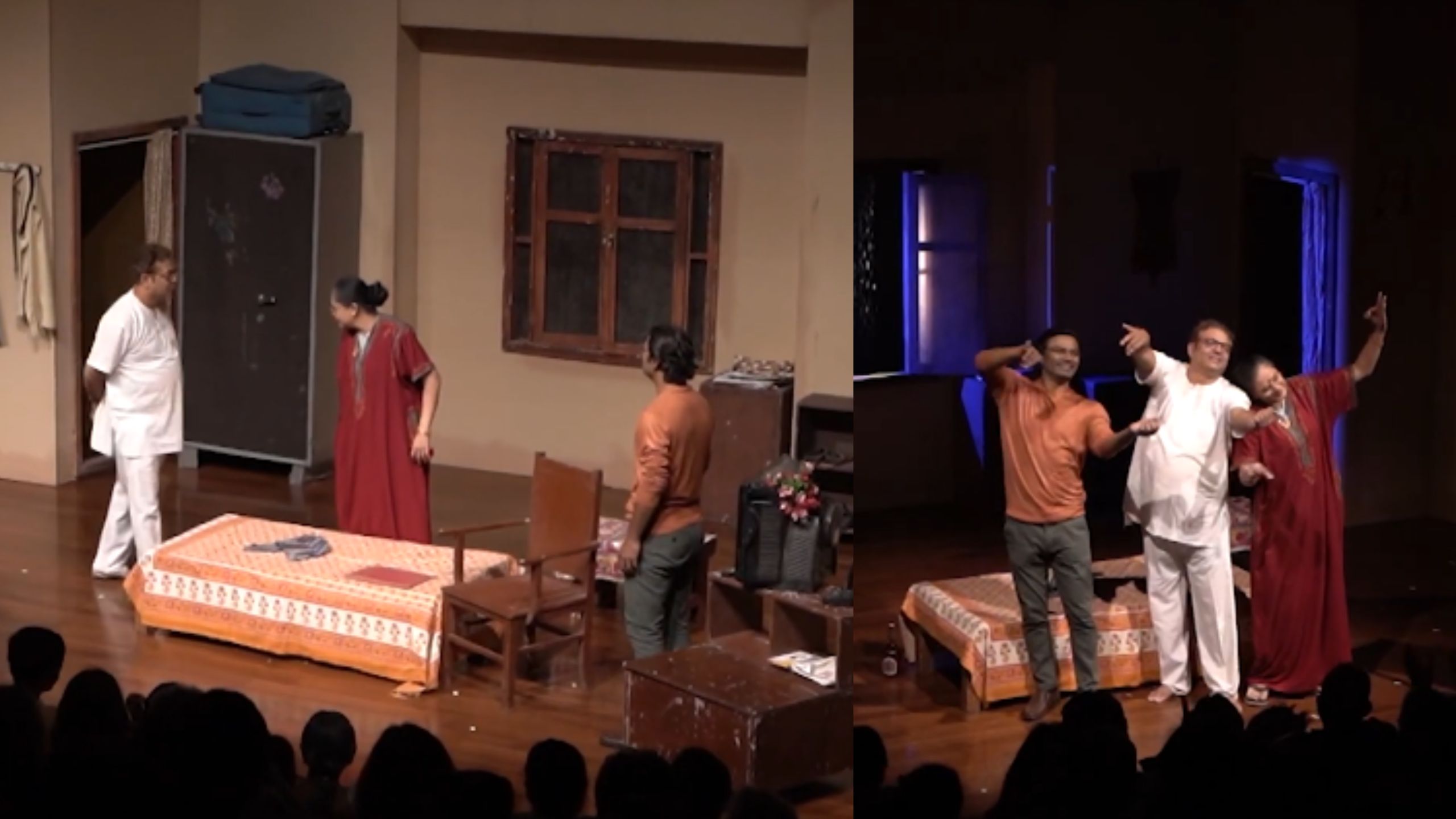
Welcome Zindagi tells the story of the Ganatra family, longtime residents of Mumbai who migrated from Savarkundla, Gujarat, for a better life. The play focuses on three characters: Arun Ganatra, played by Joshi, a head clerk approaching retirement; his devoted yet strong-willed wife Bhanu, portrayed by Jigna Vyas; and their son Vivek, brought to life by Abhinay Banker, an MBA graduate torn between corporate life and entrepreneurship.
The opening scenes quickly draw the audience into the Ganatras’ world. Bhanu speaks her mind with warmth and a Kathiawadi flair, Arun communicates more through quiet dignity and body language, and Vivek blends ambition with deep-rooted frustrations from his past. The result is a family dynamic that feels real, layered, and deeply relatable.
The play explores the unspoken affection between family members and the misunderstandings that grow from it. A central conflict arises when Vivek proposes investing the family’s savings into a new business venture, sparking debates over financial risk and generational values.
Joshi’s script balances humor and heart, weaving in moments of satire alongside emotional depth. One standout scene features Vivek defending his friendship with a wealthy peer, clarifying that loyalty—not money—defines the relationship. The dialogue reflects the middle-class reality of balancing dreams with financial security.
All three actors deliver memorable performances. Vyas’s Bhanu charms the audience with her humor and sharp timing, even if some lines in her Kathiawadi accent were occasionally hard to hear. Joshi’s Arun brings quiet strength, embodying a man who has given his life to his work without fanfare. Banker’s Vivek captures the restless energy of youth, along with the vulnerability that comes from old wounds.
The set design and background music complement the narrative, enhancing key emotional beats without overshadowing the performances.
The most powerful moment comes in Arun Ganatra’s closing soliloquy. In it, Joshi elevates the dignity of a humble clerk’s life—an honor usually reserved for the rich and privileged. The speech leaves a lasting impact, underscoring the play’s respect for everyday workers and their quiet contributions to society.
While some may call Welcome Zindagi a comedy, its true form is closer to social satire mixed with what Joshi describes as “factual fiction.” The production entertains while prompting reflection on family bonds, personal sacrifice, and the value of hard work.
For Atlanta’s Gujarati community, this production was a welcome departure from the typical fare often offered to overseas audiences. IGCSA’s efforts to bring such quality programming have helped elevate the cultural experience for residents.
In past years, IGCSA has hosted major events such as the Gujarati Film Festival, an evening with renowned Gujarati writer Madhu Rye and poet Shobhit Desai, and the musical program Pagala Vasantna. This latest event continues the tradition of presenting rich and meaningful cultural works.
The successful staging of Welcome Zindagi was made possible through the dedication of IGCSA volunteers, including Jatin Shah, Chaula Zaveri-Shah, Nimish and Parul Sevak, Malay Desai, Sagar Shah, and Iqbalbhai. Local sponsors such as Patel Processing, Bhindi Jewellers, Sheth Foundation, and Dr. Amita and Ketan Ghia also provided strong support.
With its mix of humor, pathos, and authenticity, Welcome Zindagi offered more than entertainment—it was an experience. The play’s universal themes of love, ambition, and respect for honest labor resonated with both Gujarati-speaking audiences and those new to the language. By bringing this acclaimed production to Atlanta, the IGCSA reaffirmed its role as a cultural bridge, connecting the community with art that inspires, challenges, and celebrates life.