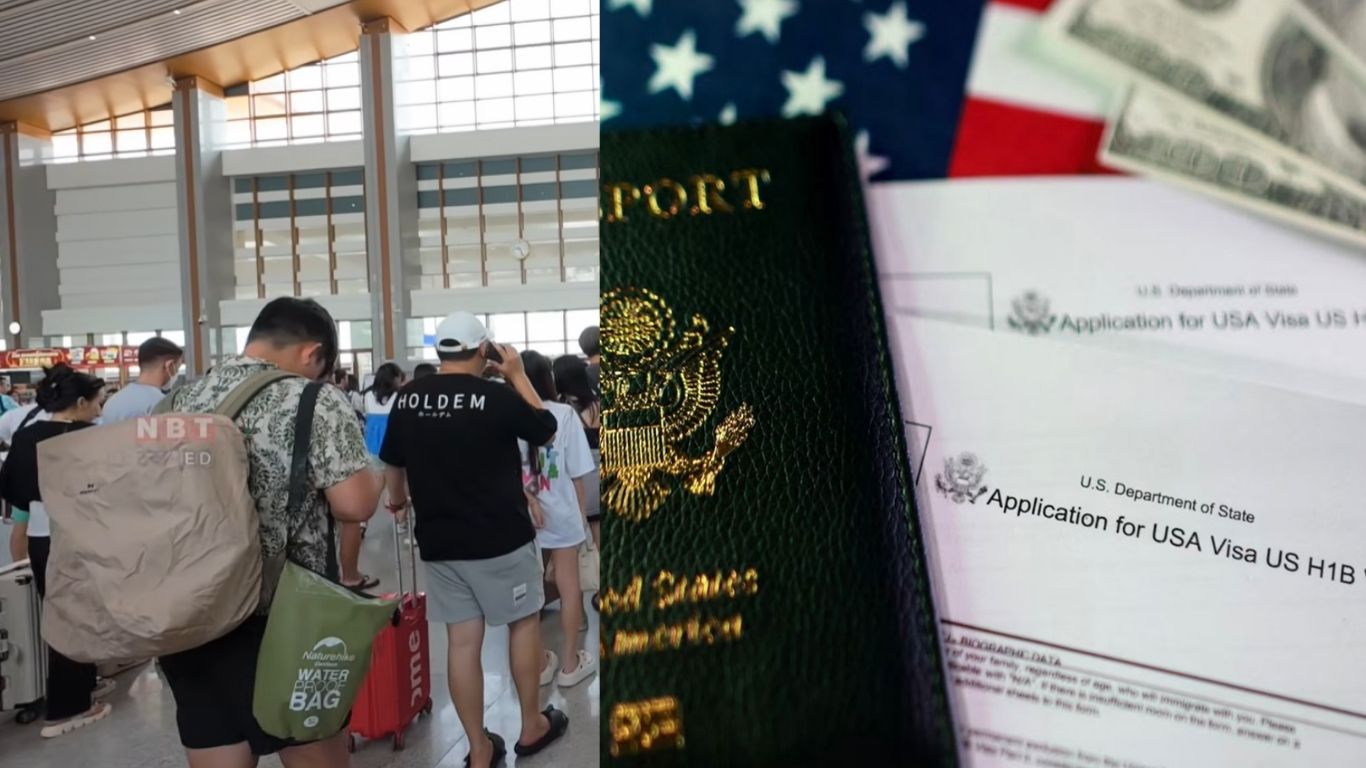
AUSTIN, Texas (Diya TV) — Thousands of employees at Oracle woke up this week to layoff notices. At the same time, new data shows the company has been actively seeking to hire foreign workers through the H-1B visa program. The contrast has fueled debate over hiring practices in the tech industry. It has also raised fresh concerns about job security for American workers.
According to data from U.S. Citizenship and Immigration Services, Oracle filed about 3,126 H-1B visa petitions during fiscal years 2025 and 2026. The company submitted 436 of those petitions in 2026 alone. The H-1B visa program allows U.S. companies to hire foreign workers in specialized fields such as software development and engineering. Employers must show they need skilled workers for roles they cannot easily fill locally.
Oracle recently informed “thousands” of employees worldwide that their roles were eliminated. The company cited changing business needs and a broader organizational shift. In termination emails reviewed by media outlets, Oracle told employees their roles were no longer required. The company said affected workers would receive severance packages based on company policy.
Oracle is not alone. Amazon has followed a similar path. Amazon announced in January that it would cut about 16,000 corporate jobs. Earlier, in October, it revealed another round of layoffs affecting 14,000 employees. Despite those cuts, Amazon filed about 2,675 H-1B visa petitions over the same two-year period. These numbers highlight a broader trend in the tech sector. Companies continue to reduce staff while still seeking global talent.
The developments triggered strong reactions online. Many current and former employees voiced frustration. On Blind, an anonymous forum for verified workers, one user described the situation as a “slap in the face.” The user pointed to layoffs affecting long-time employees while companies pursued foreign hires. Other users questioned whether companies were replacing laid-off workers with lower-cost talent. Some argued that large corporations prioritize profits over loyalty to employees. Critics also raised concerns about fairness. They believe the H-1B program can disadvantage American workers, especially during periods of layoffs.
Tech companies have long defended their use of H-1B visas. They say the program helps them compete in a fast-changing industry. Firms argue they need access to global talent to build advanced technologies. They say certain skills remain in short supply within the domestic workforce. Companies also note that H-1B petitions do not always mean new hires. Some filings cover renewals or extensions for existing employees already working in the United States. Still, critics remain skeptical. They question whether companies fully explore local hiring options before turning to foreign workers.
Oracle’s layoffs come as the company adapts to shifting market demands. The firm, led by billionaire chairman Larry Ellison, has focused heavily on cloud computing and artificial intelligence. Industry analysts say such transitions often lead to restructuring. Companies cut roles in some areas while investing in others. This can create a mismatch in the workforce. Workers with older skill sets may lose jobs, while companies seek new talent with different expertise.
The combination of layoffs and visa hiring has intensified concerns about job stability. Many workers worry about long-term career prospects in the tech industry. Experts say the issue reflects bigger changes in the global economy. Companies now operate across borders and compete for talent worldwide. At the same time, workers face increasing pressure to update their skills. Continuous learning has become essential in a rapidly evolving job market.