WASHINGTON (Diya TV) — A high-stakes legal battle over birthright citizenship in the United States has reached the U.S. Supreme Court, drawing national attention and sparking widespread debate. At the center of the case is whether a president can alter a long-standing constitutional guarantee under the 14th Amendment.
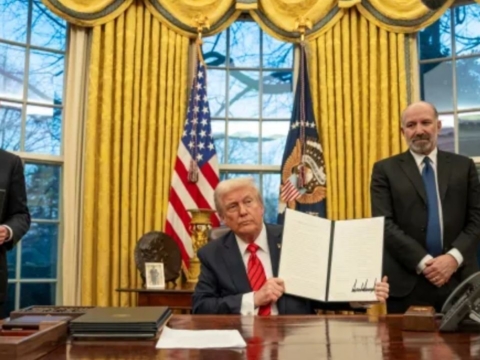
The case, widely known as Trump v. Barbara, challenges an executive order issued by Donald Trump. The order seeks to limit automatic citizenship for children born in the U.S. to parents without legal status or those on temporary visas. Legal experts say the outcome could reshape immigration law and affect millions of families.
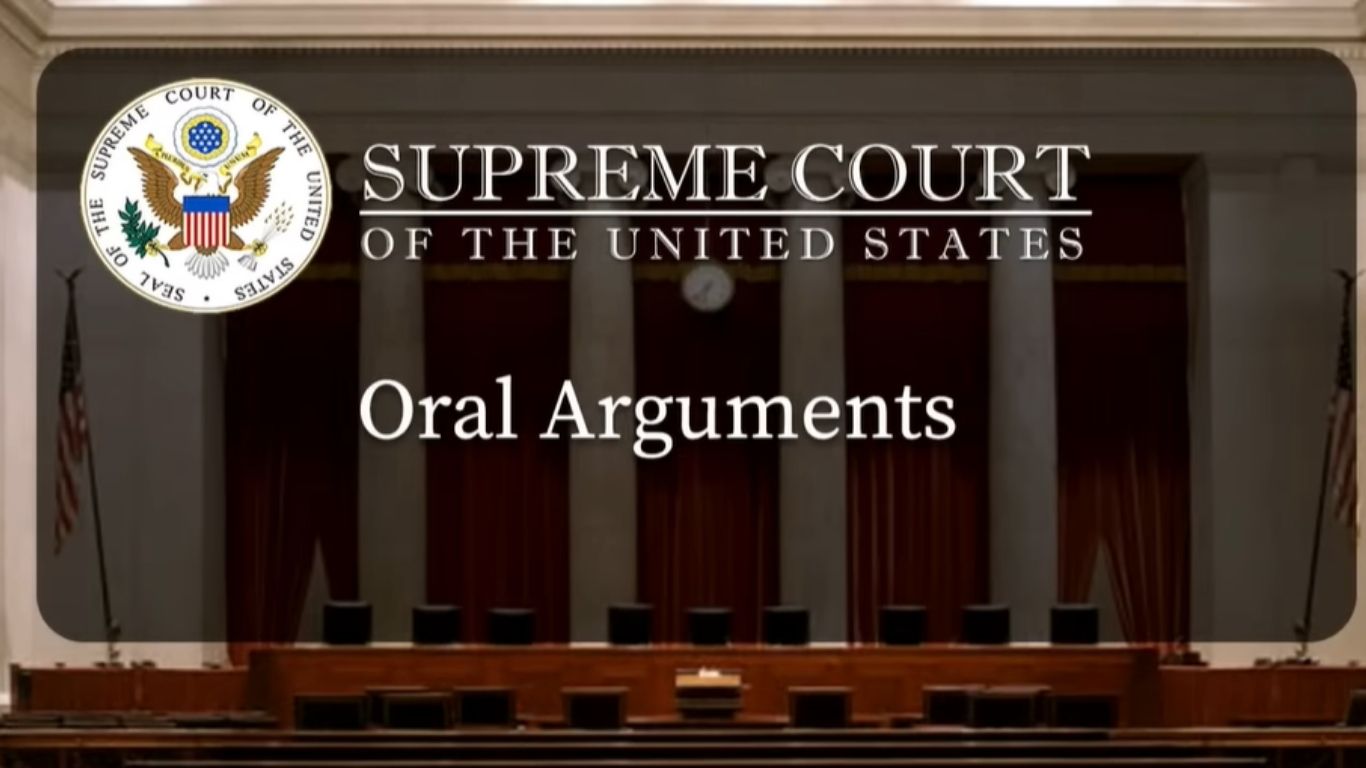
The Supreme Court heard oral arguments on April 1. In a rare move, Trump attended the proceedings in person, becoming the first sitting president to do so. His presence underscored the importance of the case. At issue is a key constitutional question: Can a president reinterpret the 14th Amendment to restrict birthright citizenship? For decades, courts have broadly interpreted the amendment to grant citizenship to nearly anyone born on U.S. soil.Several justices expressed skepticism about the administration’s argument. Even Trump-appointed justices, including Amy Coney Barrett and Neil Gorsuch, raised concerns. They questioned whether tying citizenship to a parent’s legal status or domicile would create confusion and legal uncertainty.
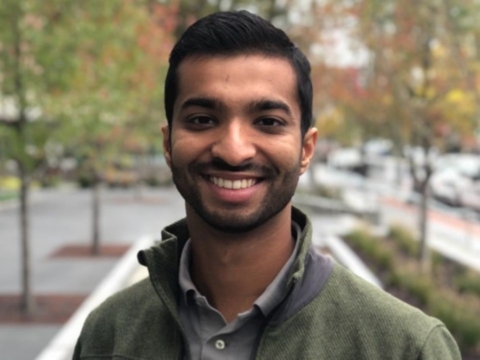
Working behind the scenes is Indian American attorney Smita Ghosh. She helped shape legal arguments presented to the court through an amicus brief.Ghosh serves as senior appellate counsel at the Constitutional Accountability Center. The group focuses on defending constitutional principles and civil rights. She worked alongside legal experts Elizabeth B. Wydra and Brianne J. Gorod to support the respondents.
Amicus briefs, often called “friends of the court,” provide additional legal perspectives. Ghosh’s brief argued that the Constitution does not allow limits on citizenship based on a parent’s immigration status.After the hearing, Ghosh said many justices appeared unconvinced by the administration’s position. She noted that several questioned the idea that a child’s citizenship should depend on their parents’ legal standing.
Outside the courthouse, hundreds of advocates and community members gathered to protest the proposed changes. Many represented immigrant rights groups, including the South Asian American Justice Collaborative (SAAJCO). Leaders said the case carries serious consequences for immigrant families, especially within the growing South Asian community in the United States.“The energy today was powerful,” said Chirag Shah, a program manager with the group. He emphasized that the issue affects all communities, not just immigrants.
Advocates raised concerns about the broader impact of limiting birthright citizenship. SAAJCO’s Kalpana Peddibhotla pointed to questions raised by Sonia Sotomayor during the hearing.
Peddibhotla said Sotomayor questioned whether new rules could apply retroactively. She also referenced the historic United States v. Bhagat Singh Thind decision, which denied citizenship to an Indian immigrant. Advocates fear that new limits could revive discriminatory ideas and create legal confusion. They warn that hospitals and government agencies may struggle to determine a child’s citizenship at birth.
Anisa Rahim said the ruling could also increase the risk of statelessness. Some countries do not automatically grant citizenship to children born abroad. If the U.S. denies citizenship, those children could be left without any nationality.
Legal experts say the court’s ruling will have long-term effects on immigration policy and constitutional law.