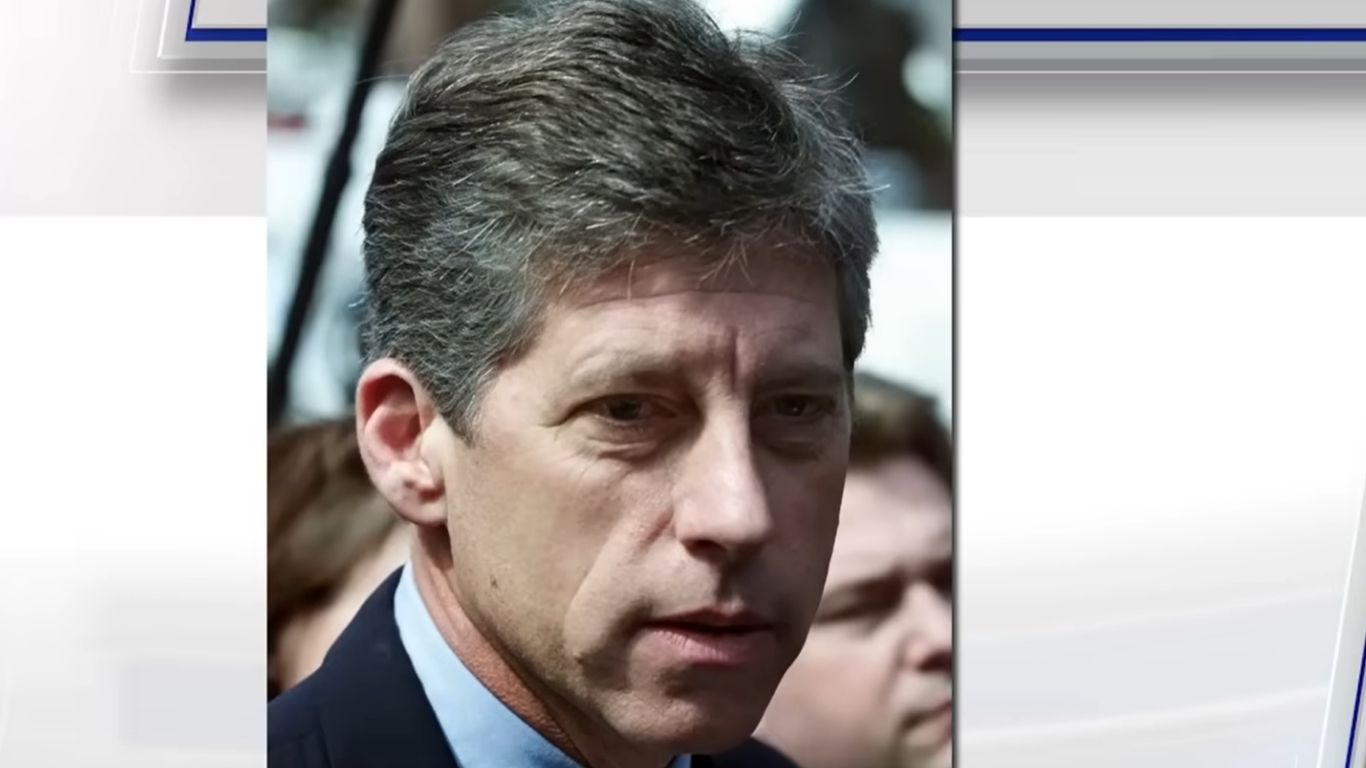
COEUR D’ALENE, Idaho (Diya TV) — Mark Fuhrman, the former Los Angeles police detective whose role in the O.J. Simpson murder investigation made him one of the most controversial figures in modern American criminal justice history, has died. He was 74.
Fuhrman died Sunday in Idaho, according to Lynette Acebedo, chief deputy coroner in Kootenai County. Officials confirmed his death on Monday but released no additional details.
Fuhrman became nationally known in 1994 during the investigation into the killings of Nicole Brown Simpson and Ron Goldman. The high-profile case, involving former NFL star O.J. Simpson, captured worldwide attention and became one of the most closely watched criminal trials in U.S. history.
Born on Feb. 5, 1952, Fuhrman worked as a homicide detective with the Los Angeles Police Department before the Simpson case pushed him into the national spotlight. Fuhrman gained attention after discovering a bloody glove at Simpson’s Brentwood property on the night of the killings. Prosecutors treated the glove as a major piece of evidence linking Simpson to the murders.
However, Fuhrman’s credibility later became a central issue during the trial. Simpson’s defense team argued that racial bias influenced the investigation. During cross-examination, Fuhrman denied using racial slurs. But defense attorneys later introduced audio recordings in which he repeatedly used racist language, including the N-word, while discussing suspects and police work.
The recordings damaged Fuhrman’s testimony and became a turning point in the trial. Legal analysts and observers later said the controversy weakened the prosecution’s case against Simpson. In October 1995, a jury acquitted Simpson of murder after a lengthy and highly publicized trial that exposed racial tensions and divisions within the criminal justice system.
After the trial ended, Fuhrman faced legal consequences tied to his testimony. He pleaded no contest to perjury charges after denying under oath that he had used racist language. A judge sentenced him to probation.
Fuhrman later retired from the Los Angeles Police Department and moved to Sandpoint, Idaho, where he largely stayed out of public life for several years. Despite the scandal, Fuhrman continued to defend his actions during the Simpson investigation. He repeatedly denied planting evidence or trying to frame Simpson. He also publicly apologized for his past use of racial slurs.
The Simpson case remained closely tied to Fuhrman’s public image for the rest of his life. The case itself continued to draw attention long after the criminal trial ended. In 1997, a civil jury found Simpson liable for the wrongful deaths of Nicole Brown Simpson and Goldman. The court ordered him to pay $33 million to Goldman’s family. Reports said the judgment was never fully paid before Simpson died in 2024.
After leaving law enforcement, Fuhrman developed a career as a television and radio commentator. He often discussed criminal investigations and high-profile court cases. He also wrote several true crime books. One of his best-known works, “Murder in Brentwood,” focused on the Simpson investigation and trial.
Fuhrman later turned his attention to another famous murder case involving 15-year-old Martha Moxley, who was killed in Connecticut in 1975. In his book “Murder in Greenwich,” Fuhrman argued that Michael Skakel, a relative of the Kennedy family, committed the crime. Skakel was later convicted in Moxley’s death, but a court overturned the conviction in 2013.
Fuhrman’s role in the Simpson case resurfaced again in 2024 under a California law aimed at removing officers with criminal misconduct records from law enforcement service. State officials barred Fuhrman from serving in law enforcement because of his past perjury conviction. The action renewed debate over Fuhrman’s legacy and the lasting impact of the Simpson trial on policing, race relations, and public trust in the justice system.
Supporters viewed Fuhrman as a skilled detective whose career collapsed under intense public scrutiny. Critics argued that his conduct during the Simpson investigation damaged confidence in the case and highlighted serious problems within policing at the time. Fuhrman married and divorced three times. According to The New York Times, he is survived by a son and a daughter.