SAN FRANCISCO (Diya TV) — A federal judge in California on Tuesday blocked the Trump administration’s policy of making immigration arrests at courthouses across the United States. The ruling marks a major setback for the administration’s immigration enforcement strategy and could affect thousands of migrants with pending court cases.
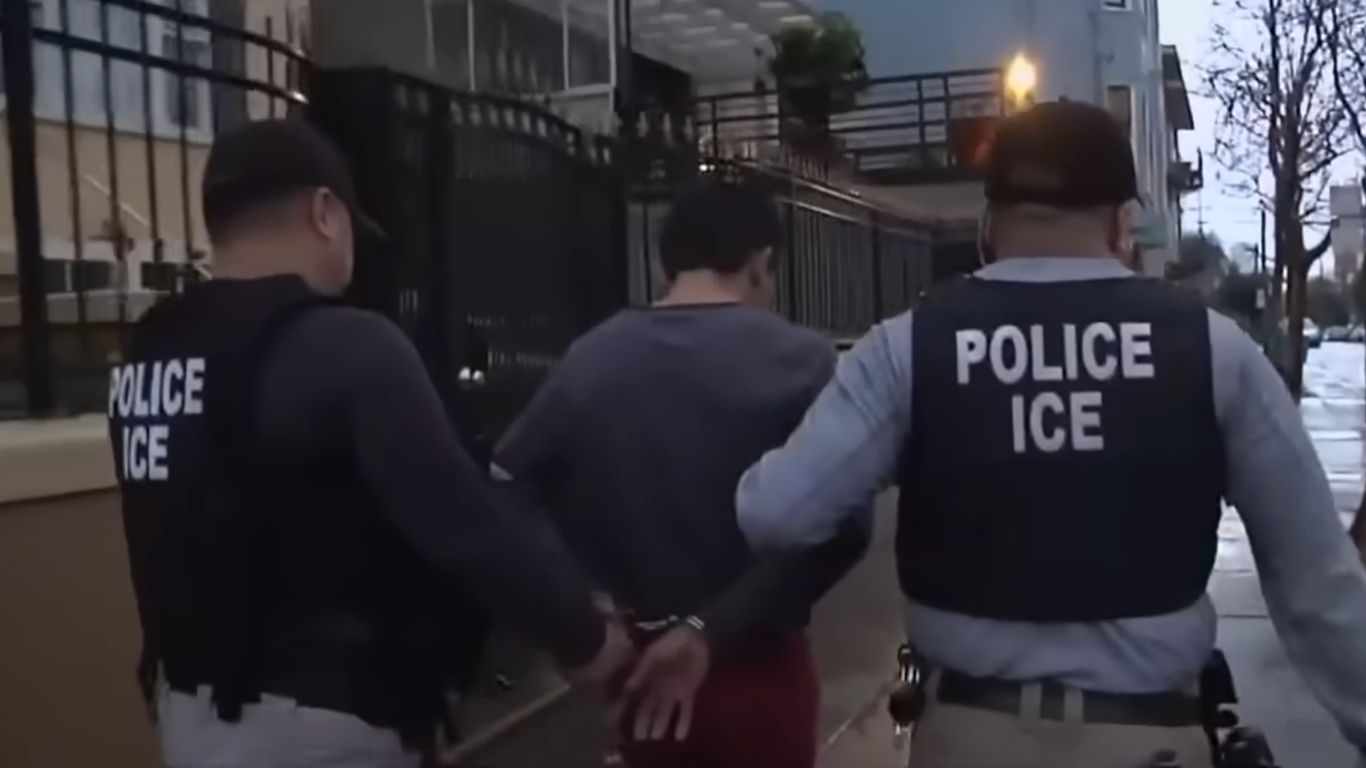
Judge P. Casey Pitts issued a nationwide injunction against the policy, which allowed Immigration and Customs Enforcement officers to detain migrants at immigration courts. ICE officers often carried out arrests in courthouse hallways shortly after individuals appeared before immigration judges.
The policy drew sharp criticism from immigration attorneys and advocacy groups. They argued that courthouse arrests discouraged migrants from attending hearings and weakened trust in the legal process. As a result, many advocates warned that people could avoid court appearances out of fear of detention.
In a 71-page ruling, Pitts said the policy failed to properly address the impact of courthouse arrests on immigrants seeking legal relief. He found that the administration’s approach was “arbitrary and capricious” under federal law.
The judge noted that the policy ignored concerns about the chilling effect such arrests could have on court attendance. He said immigration officials removed earlier restrictions on courthouse enforcement without providing a reasonable explanation. Moreover, he found that the agency failed to consider how the policy could affect the functioning of immigration courts.
“For the avoidance of doubt, simply extending the 2025 courthouse-arrest policies to cover immigration courthouses would not cure those policies’ fatal defects,” Pitts wrote in his decision.
The ruling effectively stops ICE from carrying out arrests at immigration courthouses under the challenged policy while the legal case continues.
The Trump administration defended the courthouse arrest policy throughout the case. Officials argued that previous restrictions made it harder for immigration agents to apprehend individuals who posed public safety concerns. They maintained that courthouse enforcement provided a safe and efficient way to carry out immigration laws.
However, immigration rights groups strongly opposed the practice. They said people who attended court hearings were following legal procedures and should not face arrest simply for appearing before a judge.
Jordan Wells, senior staff attorney with the Lawyers’ Committee for Civil Rights of the San Francisco Bay Area, welcomed the decision. He said courthouses should remain places where individuals can seek justice without fear of detention.
“The courthouse is meant to be a refuge for the pursuit of justice, not a hunting ground for ICE,” Wells said in a statement.
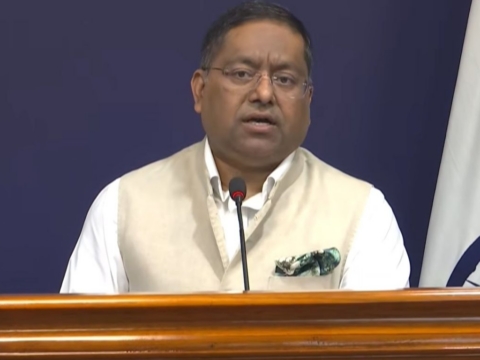
Meanwhile, the Department of Homeland Security criticized the ruling. DHS General Counsel James Percival argued that immigration enforcement should occur after a judge orders removal. In a post on X, he described the decision as judicial activism and defended the administration’s immigration policies.
The courthouse’s ruling came on the same day that the Trump administration secured a separate legal victory involving deportation policy.
A federal appeals court in Washington, D.C., ruled in favor of the administration in a case concerning expedited removal. The decision allows immigration authorities to apply expedited removal procedures more broadly.
Expedited removal permits officials to deport certain individuals without a hearing before an immigration judge. Supporters say the process helps authorities remove people from the country more quickly. Critics, however, argue that it limits legal protections and due process rights.
Together, the two court decisions highlight the ongoing legal battles surrounding U.S. immigration policy. They also underscore the competing views over border enforcement, deportation procedures, and access to the immigration court system.
For now, the nationwide injunction prevents ICE from enforcing the courthouse arrest policy challenged in California. However, further appeals could follow as the administration seeks to continue its broader immigration enforcement agenda.