NEW DELHI (Diya TV) — India on Monday firmly rejected Pakistan’s allegations linking it to the ongoing unrest in Pakistan-occupied Kashmir (PoK), calling the claims false and misleading. The Ministry of External Affairs (MEA) said Pakistan was attempting to divert attention from its own failures and alleged human rights abuses in the region.
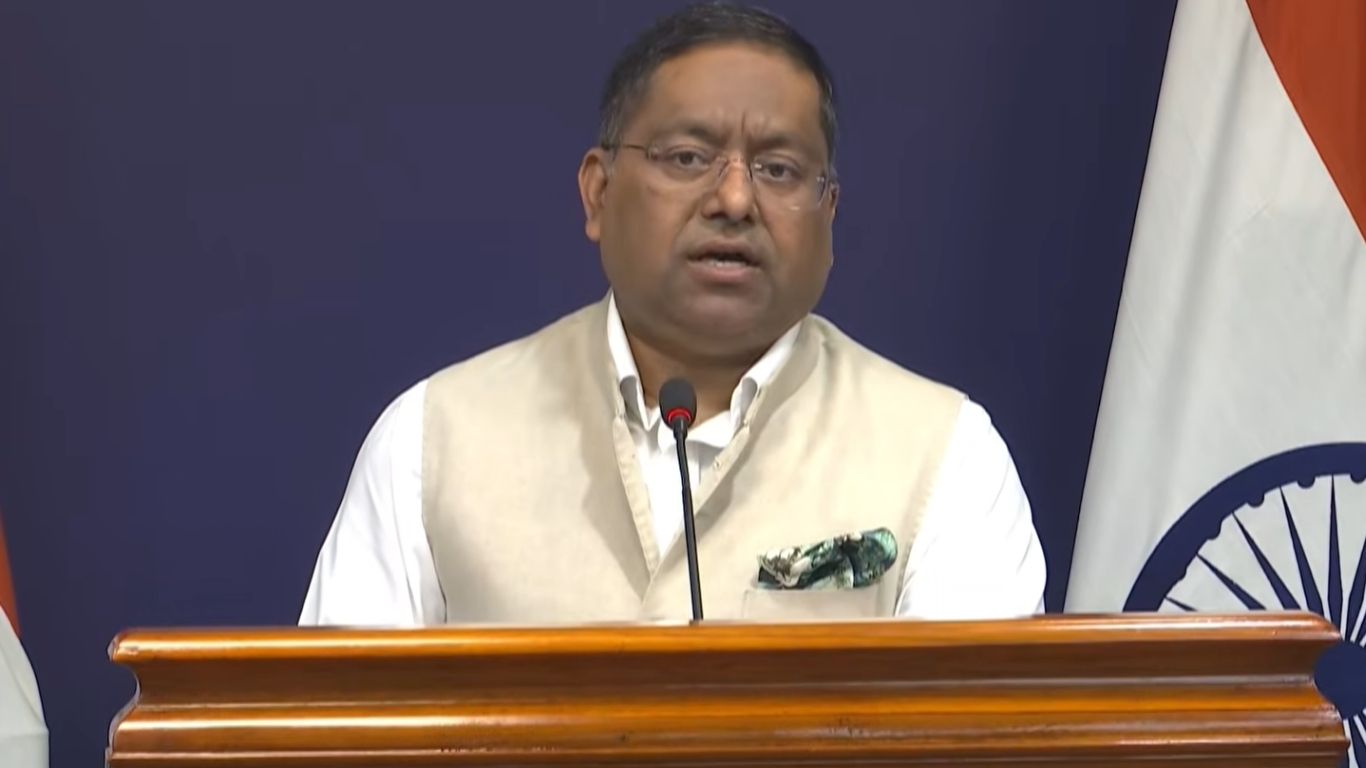
Speaking during the weekly media briefing in New Delhi, MEA spokesperson Randhir Jaiswal dismissed remarks made by Pakistan’s defense minister. The Pakistani minister had reportedly blamed India for the recent violence and protests in PoK.
Jaiswal said Pakistan was trying to shift focus away from growing public anger in the territory. He added that the unrest stemmed from long-standing local grievances rather than any outside involvement.
“Such remarks are desperate attempts by Pakistan to cover up its own failings and deflect attention away from its human rights abuses,” Jaiswal said. He also rejected what he described as “fabricated claims” linking India to the protests.
According to the MEA, the demonstrations in Pakistan-occupied Kashmir reflect years of economic hardship, political dissatisfaction, and restrictions on basic rights. Jaiswal said residents have faced systemic economic exploitation and administrative oppression for decades.
Furthermore, he argued that public frustration has increased because many people believe authorities have ignored their concerns. As a result, tensions have continued to rise across several areas of the territory.
India also criticized Pakistan’s response to the protests. Jaiswal alleged that authorities used excessive force against demonstrators and imposed restrictions that affected daily life.
“The Pakistani state has responded with extreme police brutality, blocking of essential supplies and medicines, internet blackouts, and use of lethal force against unarmed civilians,” he said.
He further noted that several people had lost their lives during the unrest. Therefore, India urged the international community to closely monitor developments in the region and hold Pakistan accountable for any human rights violations.
The latest comments follow similar statements made by India earlier this month. On June 9, Jaiswal accused Pakistan of spreading misinformation regarding the situation in PoK. He said officials had observed what he described as a pattern of fake news and misleading videos emerging from Pakistan.
Meanwhile, reports indicate that violence has intensified in recent weeks. Clashes between protesters and law enforcement personnel reportedly left dozens of people dead and hundreds injured in Rawalakot and nearby areas.
The unrest gained momentum after authorities declared the Joint Awami Action Committee (JAAC) a proscribed organization under anti-terrorism laws. Officials announced the decision ahead of a protest planned for June 9.
Supporters of the JAAC have argued that residents face rising economic pressures and inadequate public services. Consequently, demonstrations expanded as more people joined calls for change. Protesters have also raised concerns about governance, living conditions, and access to essential resources.
In addition, reports suggest that security measures increased across several towns following the demonstrations. Internet restrictions and transportation disruptions reportedly affected residents during periods of heightened tension.
The dispute over the unrest has added another layer to the long-standing differences between India and Pakistan regarding Kashmir. Both countries claim the region in full but administer separate parts of it. As a result, developments in the area often draw strong reactions from both governments.