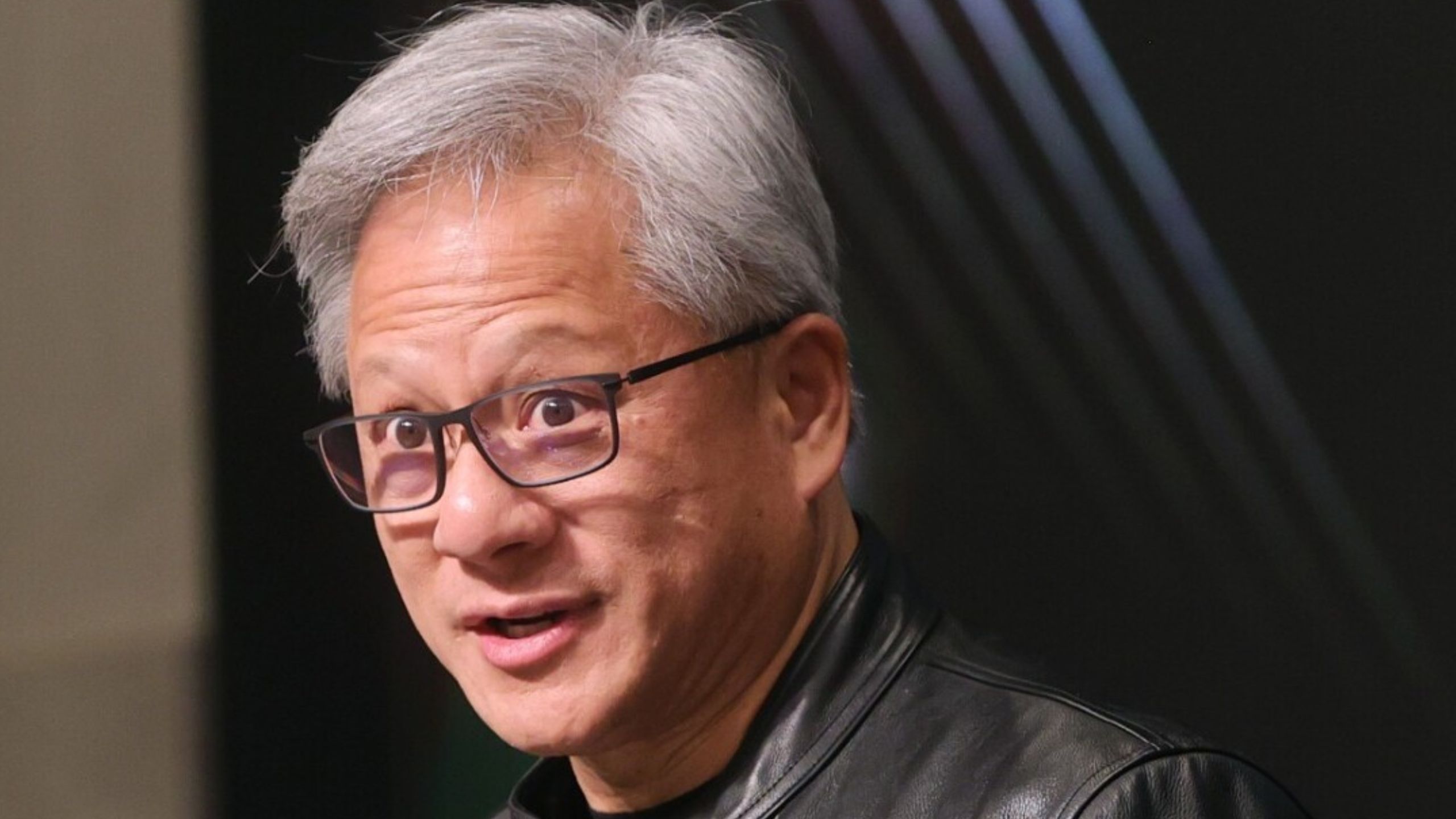
SANTA CLARA, Calif. (Diya TV) — Jensen Huang has expressed his willingness to return as chief executive of Nvidia, just days after resigning from the artificial intelligence chipmaker. In his first public statement since stepping down, Huang said he would consider returning if the company’s board decided his leadership would benefit Nvidia and its shareholders.
The statement comes amid growing pressure from supporters in Silicon Valley and on Wall Street. Several allies have called for his reinstatement, arguing that his departure could weaken the United States in the global artificial intelligence race. However, at an earnings call late Tuesday, Nvidia’s board said they have no intention of bringing him back, confirming that Huang resigned on his own accord.
Huang co-founded Nvidia and helped turn it into one of the world’s most valuable technology companies. His sudden resignation has raised questions about the company’s leadership, future direction and ability to maintain its position in the competitive AI industry.
In his statement on Tuesday, Huang acknowledged receiving numerous calls from Nvidia employees, investors, business partners and customers who want him back.
He said he would feel honored to return if the board believed his leadership would serve the interests of shareholders, employees, the company and the United States.
Huang also accepted responsibility for the personal issues that led to his departure. He said he had made serious mistakes in his personal life and regretted creating difficulties for the board.
His comments have renewed public discussion about Nvidia’s leadership. Nevertheless, the board has not indicated that it plans to reverse his resignation.
Huang stepped down after admitting that he had been unfaithful to his wife. According to reporting by The New York Times, he had relationships with an Nvidia employee and a businesswoman whom U.S. intelligence officials have identified as an asset of Chinese intelligence.
Following the disclosure about the businesswoman, Nvidia’s independent board members launched an investigation. The controversy surrounding his relationship with the employee emerged several days later.
The board then held an emergency meeting. Huang resigned the following morning, bringing an unexpected change to the company’s leadership.
The controversy has also raised concerns about corporate governance and national security. Nvidia plays a major role in the global technology industry, particularly through its advanced chips used in artificial intelligence systems.
Meanwhile, several influential figures have supported efforts to bring Huang back. His allies argue that Nvidia needs his experience and leadership to remain competitive against international rivals.
They have also warned that his departure could put America’s position in the AI race at risk. Some supporters have criticized Nvidia’s board, accusing it of giving in to outside pressure.
President Donald Trump also commented on the situation Monday. He said he would not mind seeing Huang return to the top position. Trump added that he believed the former CEO had learned an important lesson.
These comments have added to the public debate. However, political support and industry pressure do not necessarily mean Nvidia’s board will reconsider its decision.
Nvidia’s board now faces several challenges as it manages the leadership transition. The company appointed longtime Chief Financial Officer Colette Kress as interim CEO after Huang’s resignation.
On Tuesday, the board also announced the formation of a committee. The group will oversee national security policies, compliance with U.S. trade restrictions and risks linked to international business operations.
The committee’s work could become important as Nvidia continues to operate across global markets. In particular, U.S. restrictions on advanced chip exports have made international trade and national security major concerns for the company.
Changing Nvidia’s leadership structure may also prove difficult. Huang previously managed the business with an executive team of more than 60 people. Many members have worked with him for years and remain closely connected to his leadership.
Additionally, several members of his family continue to hold prominent positions at Nvidia. They include his children, Madison and Spencer, and his son-in-law, Nico Caprez.
The leadership crisis comes at a challenging time for Nvidia’s investors. The company was expected to release its quarterly earnings on Tuesday afternoon.
Its shares fell about 2% in midday trading. The decline continued a broader slide that had wiped out nearly $2 trillion in market value over several weeks.
Despite the pressure, Nvidia remains one of the world’s most valuable companies. Its performance also carries major importance for the global AI industry.
For now, Colette Kress will continue to lead the company as interim CEO. Huang’s statement has reopened the possibility of his return, but the board’s position remains unchanged.