HYDERABAD, India (Diya TV) — The American Telugu Association (ATA) and the Indian Institute of Technology Hyderabad (IIT-H) have signed a Memorandum of Understanding (MoU) to create internship opportunities for students of Indian origin in the United States.
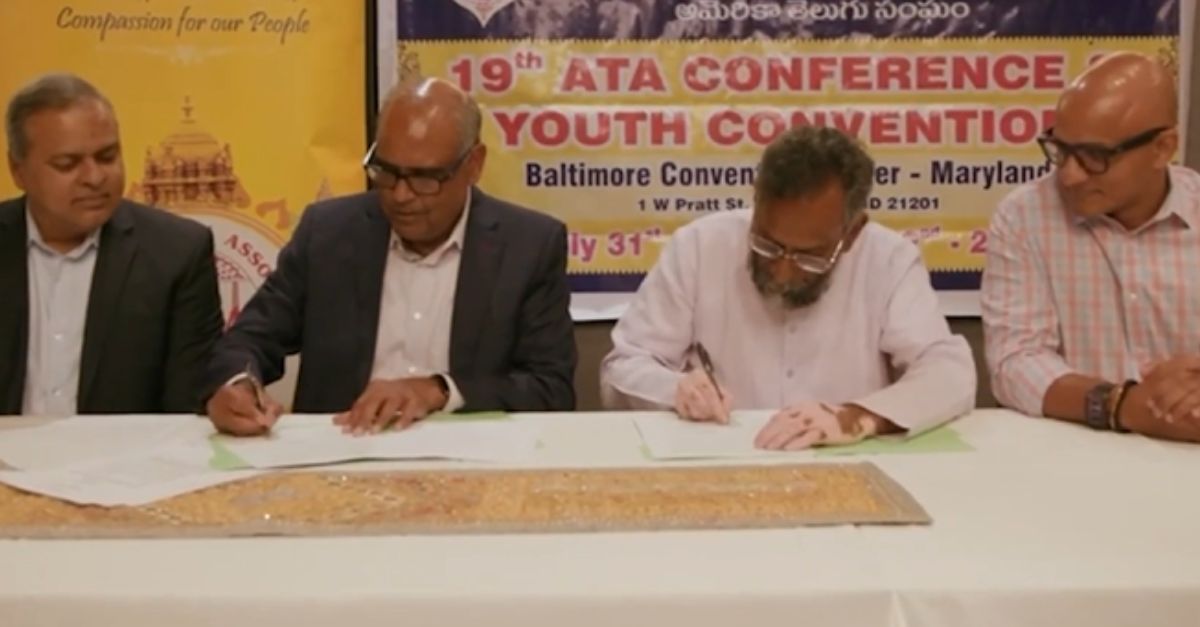
The agreement, signed on Sept. 25 by IIT-H Director B. S. Murty and ATA President Jayanth Challa, marks a new step in academic and cultural collaboration. The MoU sets up a framework for internships that will last from a few weeks to a year. It will remain valid for three years, with the option to extend.
For the first time, IIT-H has partnered with an association rather than an academic institution. Murty described the signing as a milestone in building stronger U.S.–India ties.
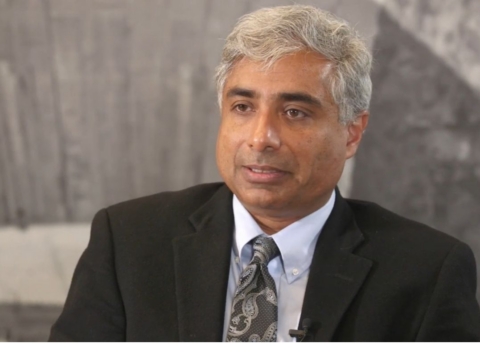
“This is the first time I am signing an MoU with an association rather than an academic institution,” Murty said in a video statement. “While internships are just the starting point, we want to go beyond and create a greater ecosystem where both countries flourish.”
ATA leaders also called the agreement a groundbreaking step. They noted that the pact aims to reverse the usual trend of Indian students traveling to America for higher studies. Instead, the MoU will encourage U.S.-based students, particularly those of Telugu origin, to come to India for academic and research exposure.
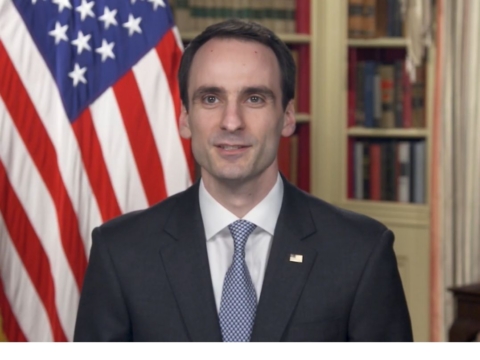
“Every time we talk to U.S. senators and congressmen, the discussion is about students coming from India to America,” said ATA President Challa. “This MoU is ATA’s effort to encourage American students to study in India.”
The MoU outlines multiple types of internships at IIT-H, including summer internships, short-term programs lasting from one week to three months, half-year placements, and year-long opportunities. The institute will provide facilities, resources, and academic mentorship for participants.
ATA will help nominate and recommend students for the program. IIT-H will charge a nominal fee per student per month to cover operational costs such as logistics and administrative support.
Bhanu Swargam, a representative of ATA, said the agreement would open doors for greater research collaboration and improve U.S.–India people-to-people connections.
During the signing ceremony in Washington, D.C., ATA honored Murty, who was recently reappointed as IIT-H director for another five years. Murty also gave an overview of the institute’s academic and research facilities, which ATA described as “world-class” and ideally suited for hosting U.S.-based students.
Murty emphasized that the partnership would go beyond just internships. “This MoU strengthens the bridge between ATA and IIT-H, opening up exciting career-building opportunities for students from the Telugu diaspora,” he said.
Challa echoed the sentiment, calling the partnership an important step in giving U.S.-based Telugu youth exposure to India’s fast-growing technology and research ecosystem.
IIT-H, established 16 years ago, has quickly risen as one of India’s leading institutions of higher education. According to India’s National Institutional Ranking Framework (NIRF), the institute ranks seventh in engineering and sixth in innovation. Its academic programs and research facilities have earned international recognition.
By offering internships to U.S.-based students, IIT-H hopes to strengthen its role as a global hub for science and technology. ATA leaders said the collaboration reflects their mission of connecting Telugu communities abroad with opportunities in India.
Both ATA and IIT-H believe the agreement will have an impact beyond academics. The MoU aims to foster cultural ties, promote innovation, and build long-term relationships between India and the United States.
“This will pave the way for research collaboration and improving the U.S.–India people-to-people collaboration,” Swargam said.
The three-year agreement allows both sides to expand the scope of cooperation in the future. Leaders hope it will inspire similar collaborations between Indian institutions and diaspora organizations worldwide.
The MoU stands out as the first of its kind between a U.S.-based community association and a premier Indian technology institute. It offers students a unique chance to connect with their cultural roots while gaining practical knowledge in a globally competitive academic setting.