WASHINGTON (Diya TV) — A senior White House official has accused Chinese artificial intelligence company Moonshot AI of using Anthropic’s technology without permission to build its latest AI model, Kimi K3. The allegation has added fresh tension to the growing technology rivalry between the United States and China. It has also renewed debate over the limits of AI model training and the role of distillation in the industry.
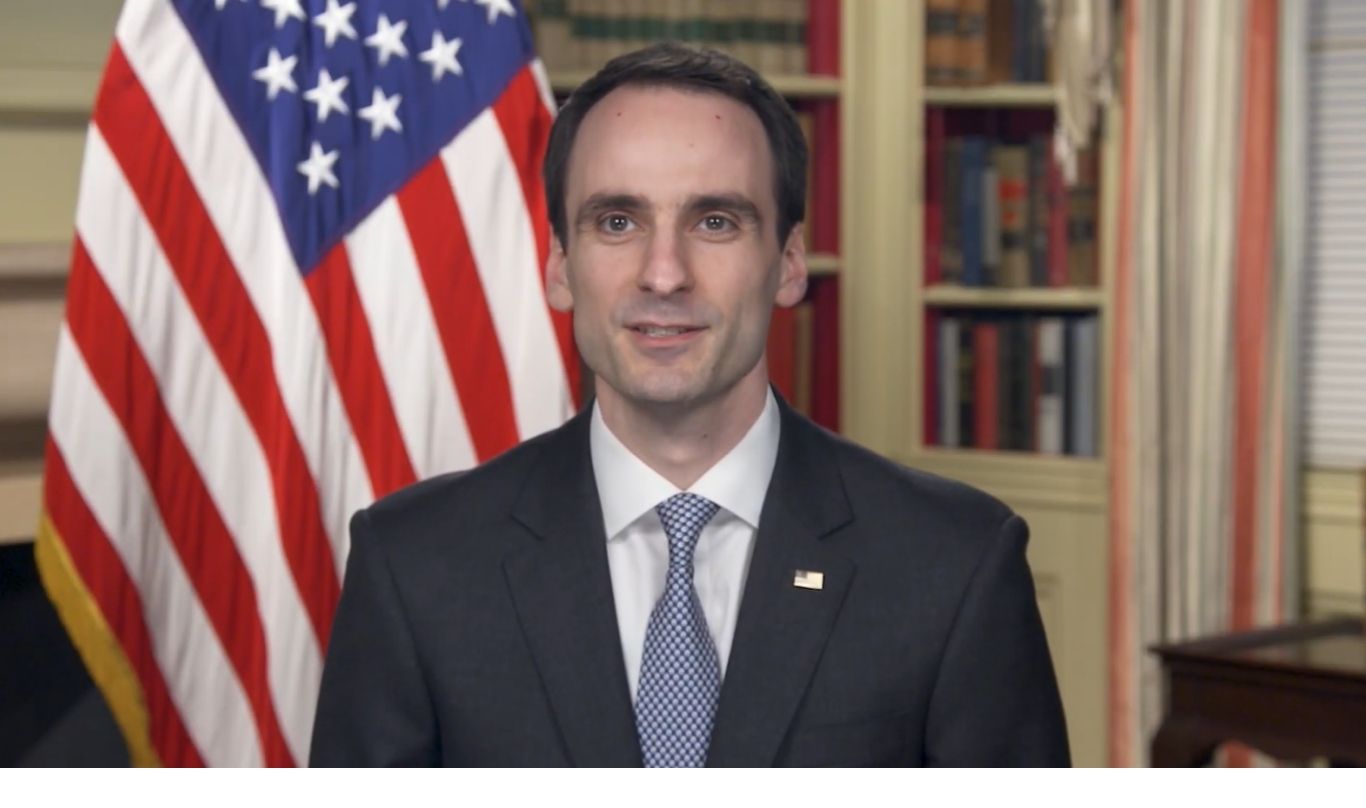
Michael Kratsios, director of the White House Office of Science and Technology Policy, accused in a post on X on Wednesday. He said the U.S. government has information showing that Moonshot AI distilled Anthropic’s Fable model during the development of Kimi K3.
Kratsios claimed Moonshot AI created an advanced internal platform to carry out large-scale distillation against U.S. AI models. He also alleged that the company switched between different methods of access to avoid detection while collecting data from American systems.
In addition, Kratsios said Moonshot AI acquired servers equipped with Nvidia GB300 chips. He also claimed the company accessed GB300 systems in Thailand to help train its AI models. However, he did not provide public evidence to support the allegations in his statement.
The accusations come as Kimi K3 gains attention across the AI industry. Many researchers and developers have praised the model for its strong performance in benchmark testing. In several evaluations, Kimi K3 has matched or exceeded the results of leading AI systems developed by U.S. companies, including Anthropic and OpenAI.
At the same time, Moonshot AI plans to release the full weights of Kimi K3 next week. That move would allow developers to download the model, run it on local devices, and customize it for different uses. As a result, many experts expect Kimi K3 to become one of the most influential open-source AI models available.
The White House also drew a clear distinction between acceptable AI development practices and alleged intellectual property theft. Kratsios said the United States supports a competitive AI ecosystem that includes frontier models, specialized systems, open-source software, and open-weight models. He added that legitimate AI distillation plays an important role because it helps developers create smaller and more efficient models.
However, he argued that large-scale, covert distillation aimed at copying proprietary U.S. technology crosses an unacceptable line. According to Kratsios, such actions threaten American innovation and could weaken years of costly research and development.
AI distillation has become a widely used technique across the industry. Developers use the process to transfer knowledge from a larger AI model into a smaller one. This approach often reduces computing costs while maintaining strong performance. Because of those benefits, many companies and researchers rely on distillation to improve efficiency.
Even so, disputes continue over where legal and ethical boundaries should exist. Companies that invest billions of dollars in advanced AI systems often argue that unauthorized use of their models could damage innovation and reduce incentives for future research. Meanwhile, supporters of open AI development say broader access can encourage competition and speed technological progress.
The latest claims arrive as competition between U.S. and Chinese AI companies continues to intensify. Both countries have invested heavily in advanced computing, AI research, and semiconductor technology. Governments have also introduced new policies that seek to protect domestic innovation while limiting access to critical technologies.
Moonshot AI has not publicly responded to Kratsios’ allegations. Anthropic also has not released a public statement addressing the claims. Therefore, many questions remain unanswered about the evidence behind the accusations and whether additional details will emerge.
For now, the dispute highlights the growing importance of AI security, intellectual property, and international competition. It also reflects the increasing pressure on governments and technology companies to define clear rules for developing and sharing advanced AI systems. As AI technology evolves, policymakers, businesses, and researchers will likely continue to debate how innovation can move forward while protecting proprietary research and encouraging fair competition.