BOSTON (Diya TV) — A federal judge has ruled that the Trump administration’s efforts to deport pro-Palestinian academics were an attack on free speech. The ruling says the actions were designed to silence dissent on college campuses and instill fear among non-citizen students.
U.S. District Judge William Young, a Reagan appointee, issued the decision on Tuesday. In a 161-page opinion, he said the government’s practices violated the First Amendment and continue to harm free expression today.
“The effect of these targeted deportation proceedings continues unconstitutionally to chill freedom of speech to this day,” Young wrote. He described the ruling as the most important of his 30 years on the bench.
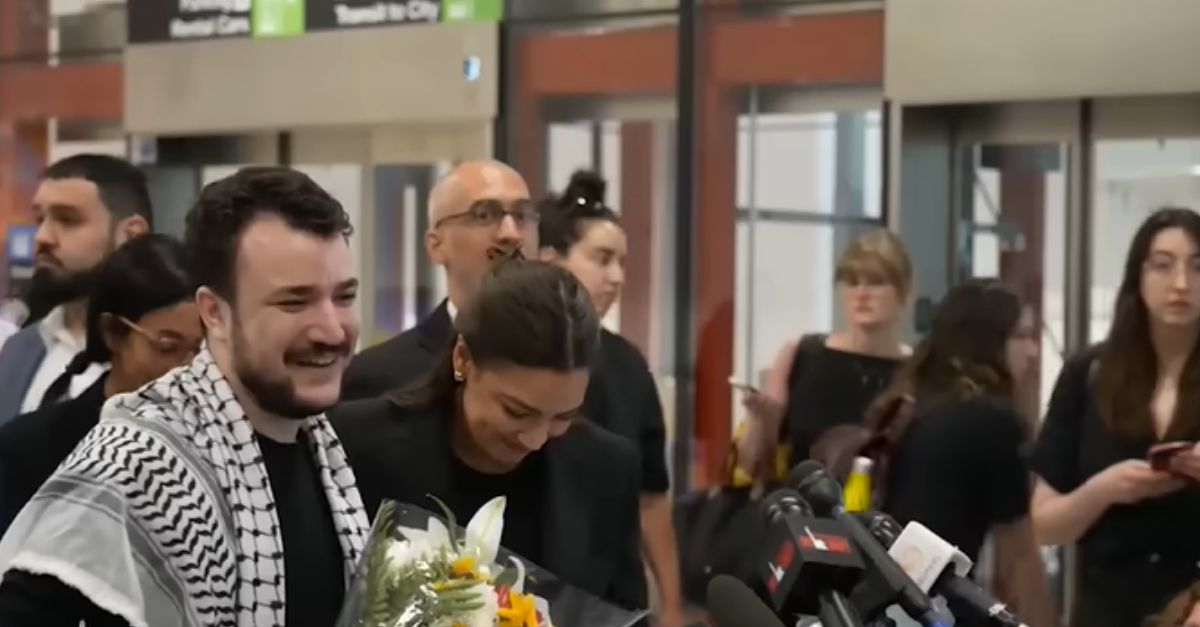
The decision came after a lawsuit filed by university professors. They accused the Trump administration of using immigration enforcement to punish pro-Palestinian activists. The case focused on academics such as Mahmoud Khalil, who faced deportation after expressing pro-Palestinian views.
During a two-week trial, former Trump officials testified. They described planning arrests of outspoken activists and even relying on tips from an anonymous website.
Young concluded that the effort was political retaliation against unpopular opinions. He said it posed a serious threat to academic freedom and the nation’s tradition of open debate. Perhaps most striking was Young’s direct criticism of former President Donald Trump. The judge described Trump as a bully who used his platform to undermine constitutional protections.
“The President’s palpable misunderstanding that the government simply cannot seek retribution for speech he disdains poses a great threat to Americans’ freedom of speech,” Young wrote. He warned that Trump’s tactics risk dividing the nation and weakening its commitment to democracy.
“I fear President Trump believes the American people are so divided that today they will not stand up, fight for, and defend our most precious constitutional values so long as they are lulled into thinking their own personal interests are not affected,” Young added.
The White House swiftly condemned the ruling. A spokesperson called it “an outrageous ruling that hampers the safety and security of our nation.”
“Studying in the United States is a privilege that the Trump Administration will not allow to foreign nationals who endanger America’s national security or imperil campus safety,” White House spokesperson Liz Huston said.
The administration has long argued that deportations and visa restrictions are necessary to protect national interests. Officials insisted the policies were not aimed at stifling speech but at ensuring safety. Young has clashed with the Trump administration before. He has blocked several of its policies, often citing constitutional concerns.
In August, the Supreme Court criticized Young after he stopped the administration from cutting research grants tied to diversity and inclusion programs. Justices Neil Gorsuch and Brett Kavanaugh said his ruling ignored binding precedent.
“When this Court issues a decision, it constitutes a precedent that commands respect in lower courts,” Gorsuch wrote, with Kavanaugh joining him.
Young later apologized. He said he had not intended to defy the Supreme Court and did not realize emergency-docket rulings carried the weight of precedent.
Young did not immediately order changes to immigration policies. Instead, he said he would hold further hearings to determine how to limit the practices he found unconstitutional.
His ruling may shape how courts handle similar disputes over free speech and immigration. Legal experts say the decision highlights growing tension between campus activism and federal enforcement. For students and professors, the case underscores the risks of political expression. Many testified that fear of deportation or visa cancellation has silenced debate on sensitive issues.
Young’s opinion framed the courts as a vital defense of free expression. He emphasized that protecting speech—even unpopular speech—is central to the nation’s democratic identity. The ruling adds to the ongoing debate about immigration, free speech, and presidential power. It also raises questions about how far a president can go in shaping campus life through immigration enforcement.
Supporters of the plaintiffs hailed the decision as a victory for academic freedom. Critics said it weakens the government’s ability to respond to national security concerns. Young made clear where he stands. He called freedom of speech the nation’s “most precious constitutional value” and warned against trading it for political convenience.