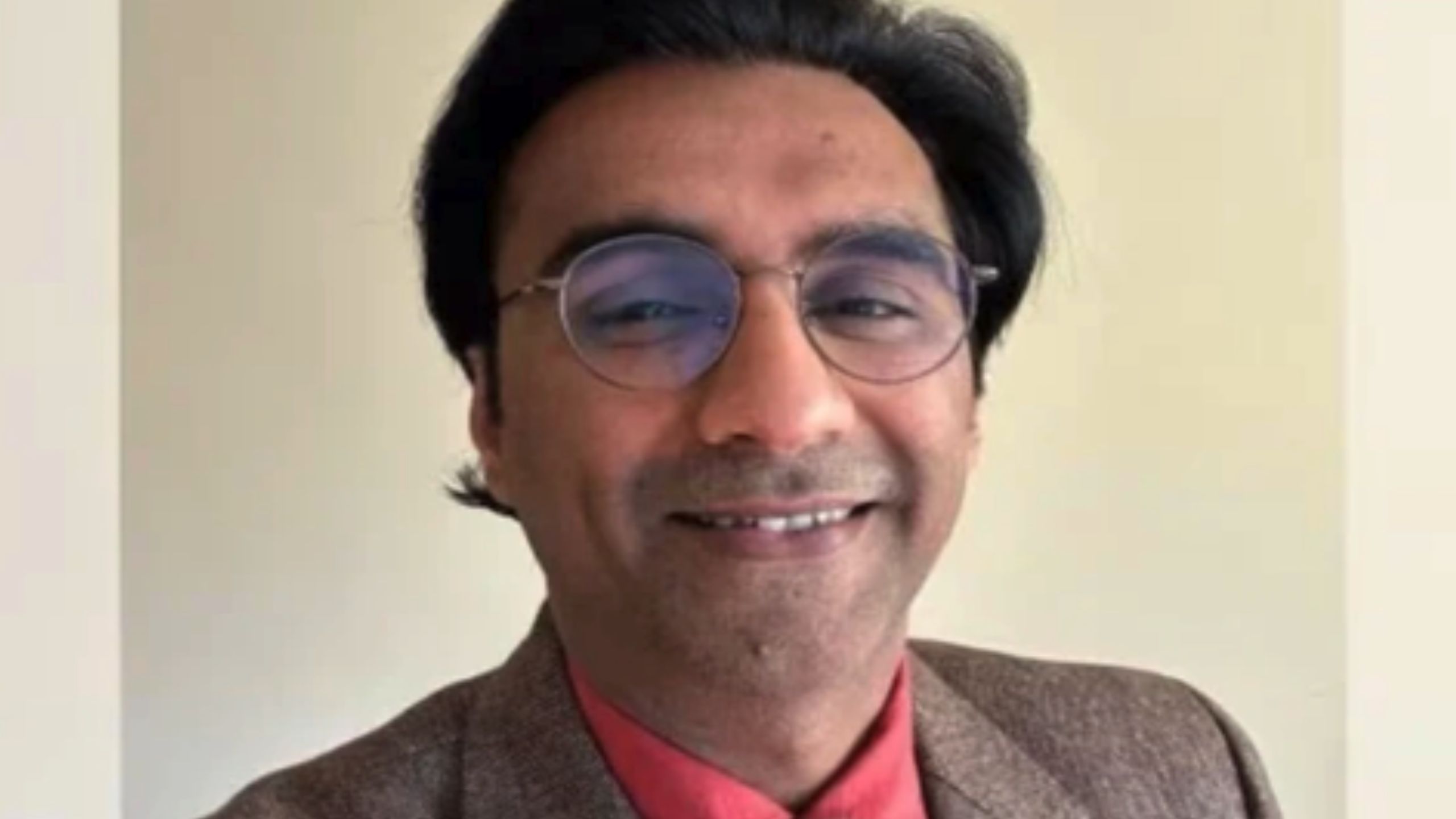
WASHINGTON (Diya TV) — The Trump administration has reached a settlement allowing Badar Khan Suri, an Indian postdoctoral fellow at Georgetown University, to return to his academic duties and regain his legal immigration status. The agreement, filed in federal court Tuesday, ends months of uncertainty over his future in the United States.
The settlement also safeguards the legal status of his two children, who are enrolled in U.S. schools. It halts deportation efforts that began earlier this year and requires the government to give at least 21 days’ notice before taking any new action against him based on “newly discovered, independent legal grounds.”
Suri was detained in March as part of a wave of arrests targeting pro-Palestinian demonstrators. U.S. officials accused him of promoting Hamas propaganda, a charge made without presenting evidence. His records in the Department of Homeland Security database were terminated that same month, threatening both his own visa status and his children’s student visas.
Although the government linked his case to alleged pro-Hamas activity on Georgetown’s campus, Suri said he had never attended a protest. “I have never even been to a protest,” he told reporters. He said masked Immigration and Customs Enforcement agents arrested him and moved him through several detention facilities.
In May, a federal judge in Texas ordered his release. A court later ruled that he could remain free while litigation continued.
Suri teaches undergraduate students and conducts research at Georgetown University in Washington, D.C. His work focuses on global politics and international relations. He said the allegations and detention disrupted both his research and teaching.
“The last few months have been devastating for my family and my students,” Suri said after the settlement. “I am grateful to return to my work and to have my legal status restored.”
The agreement filed Tuesday also cancels a hearing that had been scheduled later this week, where Suri’s legal team planned to demand reinstatement of his records and a halt to deportation proceedings.
According to court filings, Suri’s arrest was partly tied to social media activity and his association with his wife, a U.S. citizen. Her father had previously served as a political adviser to Hamas leadership in Gaza. Suri has never been charged with a crime in the United States.
His attorneys argue that his detention was part of a broader campaign targeting students and academics perceived as critical of the Israeli government.
Several other international students have faced similar actions, including Mahmoud Khalil, Rumeysa Ozturk, and Mohsen Mahdawi. Courts have generally ruled in favor of students’ First Amendment rights in these cases.
A larger legal battle is unfolding in Boston, where plaintiffs allege that the administration has engaged in “ideological deportations” aimed at silencing pro-Palestinian voices. These cases test the limits of government authority in immigration enforcement against political expression.
Judge William G. Young presided over a related two-week trial in July. He is expected to issue a verdict soon. While he has expressed skepticism over claims of government overreach, earlier decisions have recognized that student speech and political activity are often protected under the Constitution.
Suri’s case has drawn national attention from academic freedom advocates and civil rights groups. They warn that targeting scholars for political views or associations could have a chilling effect on campus discourse.
Georgetown University has not commented publicly on the settlement but previously expressed concern over the impact of Suri’s detention on academic life. Faculty members and students have voiced support for his return.
For now, the settlement allows Suri to continue his research and teaching without fear of immediate deportation. However, the agreement does not prevent the government from pursuing future actions if it claims to find new evidence.
Suri’s attorneys said they will remain vigilant. “This is a victory for due process and academic freedom,” one lawyer said. “But we know the fight is not over.”
His case remains part of a broader debate over how immigration enforcement intersects with political speech and academic rights in the United States.