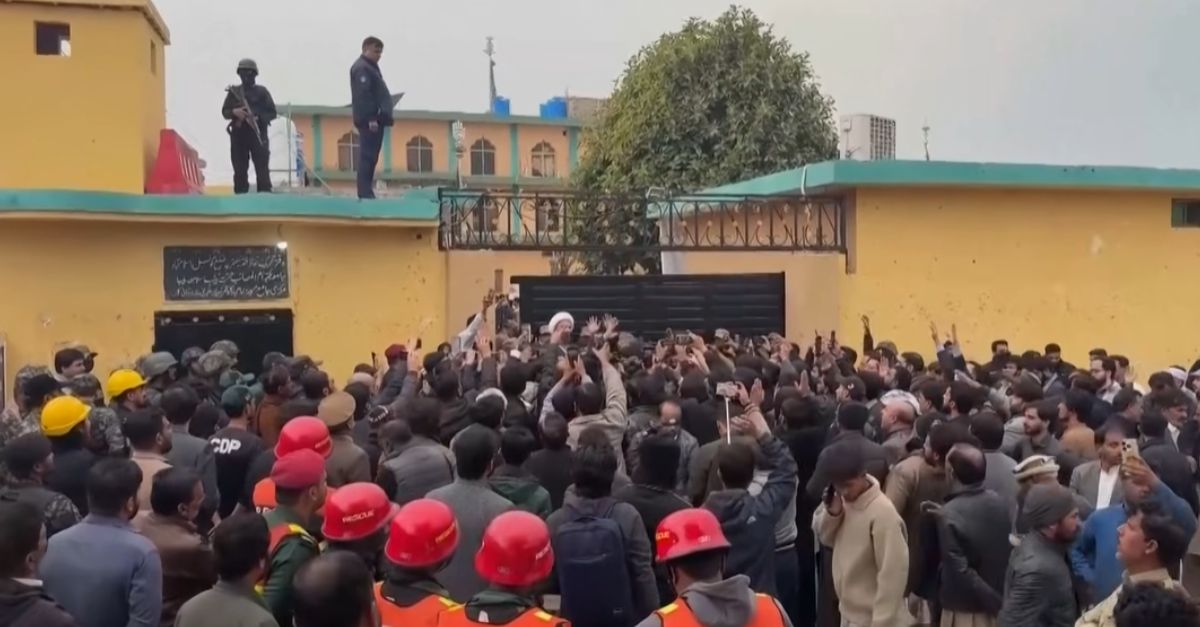
ISLAMABAD, Pakistan (Diya TV) — A suicide bomber struck outside a Shia mosque on the outskirts of Islamabad during Friday prayers, killing at least 31 people and wounding dozens more, officials said. The attack deepened fears that militant violence is again targeting Pakistan’s capital. The blast ripped through the Khadija Tul Kubra mosque complex in Tarlai Kalan, a densely populated area on the city’s southeastern edge. Police said security guards tried to stop the attacker at the entrance. The suspect then detonated explosives among worshippers. Hospitals across Islamabad declared emergencies. Doctors treated scores of wounded victims. Many remained in critical condition.
The bombing occurred as worshippers gathered for weekly prayers, a time when mosques draw large crowds. Witnesses said the explosion sent glass and debris across the compound. Rescue workers rushed the injured to nearby hospitals as sirens echoed through the neighborhood.
Footage shared on social media showed scenes of devastation. Bodies lay on the floor and lawn outside the mosque. Blood-stained prayer mats. Broken windows and twisted metal marked the blast site. An Islamabad resident, Aun Shah, said his father suffered severe injuries. “He has a hole in his stomach,” Shah said at a hospital emergency ward.
Officials said at least 169 people reached hospitals after the attack. Medics and bystanders carried adults and children on stretchers and in their arms. Some victims arrived in private cars as families rushed to save loved ones. The attack marked the second major militant strike in Islamabad in recent months. In November, a suicide bomber killed at least 12 people near a courthouse in the capital. That blast wounded dozens and shocked residents who viewed the city as safer than other regions.
Large-scale sectarian attacks have often hit areas near Pakistan’s border with Afghanistan. Such attacks in Islamabad have remained rare in recent years. Friday’s bombing raised new concerns about security gaps in the capital. Pakistan’s Defense Minister Khawaja Asif said guards attempted to intercept the suspect. He added that the attacker opened fire before setting off the explosives. Asif alleged the suspect had traveled to and from Afghanistan.
There was no immediate claim of responsibility. In past years, the Islamic State group has claimed attacks on Shia Muslims in Pakistan. Pakistani officials have long accused militant groups based in Afghanistan of fueling violence inside the country. Afghanistan’s Foreign Ministry condemned the attack in a social media post.
Shia Muslims in Pakistan have faced repeated attacks over several decades. Extremist groups have often targeted places of worship, religious processions, and community centers. Many attacks have occurred in regions bordering Afghanistan, where militant networks operate.
Tarlai Kalan has changed rapidly in recent years. Once a semirural settlement, the area expanded as Islamabad’s population grew. Residents said the mosque served as a central gathering place for the local Shia community, especially during Friday prayers. Community leaders said the attack struck at the heart of neighborhood life.
Pakistani Prime Minister Shehbaz Sharif condemned the bombing and expressed deep sorrow for the victims. He offered condolences to grieving families and ordered a full investigation by the interior ministry.
Pakistani President Asif Ali Zardari also denounced the attack. He said targeting innocent civilians amounted to a crime against humanity. Pakistani Deputy Prime Minister Ishaq Dar called the bombing a cowardly assault on worshippers. He said attacks on places of worship violated Islamic principles and human values.
Prominent Shia leader Raja Abbas Nasir criticized security failures. He said the incident raised serious questions about the performance of authorities and law enforcement agencies. International leaders also voiced outrage. Britain’s ambassador to Pakistan, Jane Marriott, called the violence abhorrent. The European Union’s delegation in Pakistan condemned all acts of terrorism and offered condolences to the victims’ families.
Islamabad has suffered deadly attacks before. In 2008, a suicide bomber drove a truck packed with explosives into the Marriott hotel, killing at least 63 people and wounding more than 250. The attack remains one of the deadliest in the city’s history.