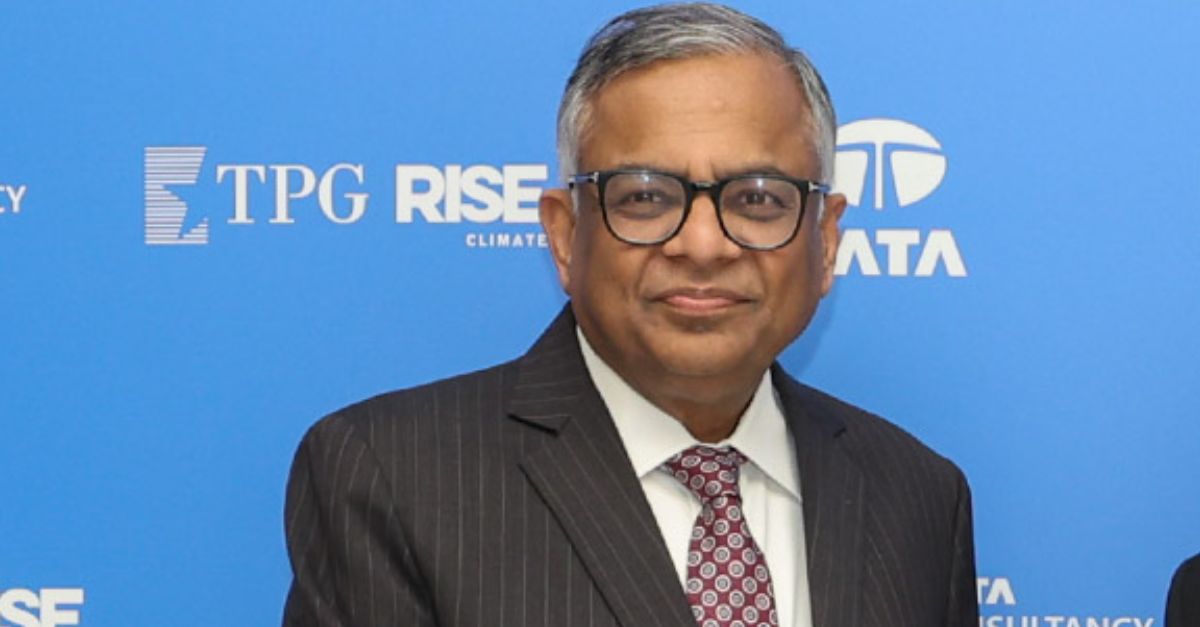
MUMBAI (Diya TV) — India’s oldest and most respected business group is facing one of the toughest periods in its long history. After a bruising year marked by tragedy, cybercrime, and slowing global demand, Tata Sons Chairman Natarajan Chandrasekaran is under mounting pressure to steady the sprawling conglomerate and restore confidence.
Chandrasekaran, widely known as Chandra, is not a billionaire heir or a founding family member. Yet he now carries the burden of steering a $300 billion empire through crisis, scrutiny, and change.
The past year tested Tata’s reputation across several key businesses. The most devastating moment came with a deadly Air India plane crash that shocked the nation and renewed questions about safety, oversight, and accountability at the airline.
Air India, once a state-run carrier, returned to Tata control in 2022. The airline remains central to the group’s revival strategy. The crash, however, cast a shadow over efforts to rebuild the brand and modernize operations.
At the same time, Jaguar Land Rover, Tata’s British luxury car unit, suffered a major cyberattack. Hackers disrupted systems and raised concerns about data security and supply chain resilience. The incident added pressure to a business already grappling with weaker global auto demand and rising costs.
Other Tata companies faced headwinds as well. Steel and power units dealt with volatile prices. Technology services saw slower growth as clients cut spending. Consumer brands struggled with inflation-hit demand.
Chandrasekaran stands apart from most Indian conglomerate leaders. He rose through the ranks at Tata Consultancy Services, eventually becoming CEO. In 2017, he took over as chairman of Tata Sons after a dramatic boardroom shake-up. He became the first non-family leader of the group. That status brings both freedom and risk.
Supporters praise his disciplined style and focus on execution. Critics say he faces limits in a group still shaped by legacy, tradition, and public expectation. Unlike billionaire tycoons, Chandrasekaran does not command personal wealth or political influence. His authority rests on performance. That reality sharpens the pressure during difficult times.
Chandrasekaran’s challenges come as India’s corporate elite faces rare global criticism. Gautam Adani, once Asia’s richest man, now confronts a U.S. indictment linked to alleged bribery. Mukesh Ambani drew sharp rebukes from Washington after Reliance Industries bought Russian oil cargoes amid the Ukraine war.
These controversies fueled debate about corporate governance, ethics, and India’s global image. While Tata remains largely free of such allegations, its brand depends heavily on trust. Any misstep risks damaging a reputation built over more than 150 years.
Air India remains Chandrasekaran’s most visible gamble. The airline needs billions in investment, new aircraft, and cultural reform. Delays, service complaints, and safety concerns continue to dog the turnaround.
The crash intensified calls for transparency and stronger oversight. Regulators and passengers alike are watching closely. Success at Air India would cement Chandrasekaran’s legacy. Failure could define it.
Tata Consultancy Services still anchors the group, but growth has slowed. Global clients are cautious. Competition is fierce. Chandrasekaran must balance cost control with innovation in areas like artificial intelligence and cloud services.
Jaguar Land Rover remains profitable butis exposed to global shocks. Cybersecurity, electric vehicle investment, and supply stability now rank as urgent priorities. Across the group, analysts say execution matters more than vision. Investors want steady returns. Employees want clarity. The public wants accountability.