PRETORIA, South Africa (Diya TV) — An Indian billionaire has become the focus of a heated public debate in South Africa after his company was shortlisted for a multibillion-dollar electricity grid expansion meant to end years of rolling blackouts. The backlash erupted online this week after the government confirmed that seven international consortia had been pre-qualified to bid for the expansion of South Africa’s national transmission grid. The project is valued at about $26 billion and is central to the country’s energy reform plans.
South Africa has faced chronic power shortages for more than a decade. Aging coal plants, poor maintenance, and corruption scandals have left homes and businesses struggling through repeated power cuts. Against this backdrop, Electricity Minister Kgosientsho Ramokgopa announced the shortlist in Pretoria. He called the move a major step toward modernizing the power grid and restoring energy security. But public reaction quickly shifted from technical details to questions of trust and ownership.
Many South Africans took to Facebook and X to question why foreign firms were invited to bid for such a critical national project. Some posts reflected deep frustration with past failures in the energy sector. Durban resident Sifiso Zondo wrote that the move felt like an effort to “auction everything before he leaves.” His comment echoed wider fears about privatization and loss of control over strategic infrastructure.
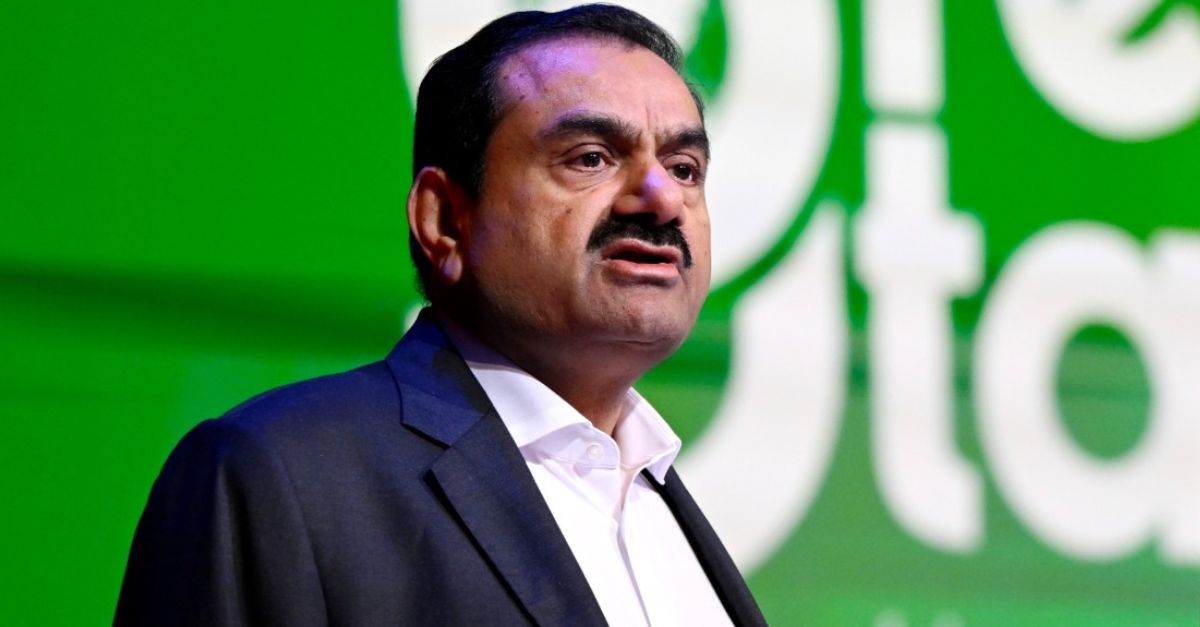
Among the shortlisted firms is Adani Power’s Middle East unit. It is part of the Adani Group, founded by Gautam Adani, one of India’s richest businessmen. The conglomerate has major interests in ports, power generation, renewable energy, and logistics. The inclusion of Adani sparked strong reactions due to its size and foreign ownership. Some users argued that South Africa already has skilled companies capable of handling the work.
L Van Gent, who identifies as South African, wrote online that the project should stay in local hands. He said the country has “skilled businesses and people to do this,” reflecting long-standing calls for domestic capacity-building. Other global players on the shortlist include France’s Electricité de France and Chinese state-owned firms State Grid International Development and China Southern Power Grid International.
Not all responses were negative. Some social media users defended foreign involvement, saying results matter more than ownership. Sagar Singh, a South African living in India, shared his experience with Adani as an electricity provider. He described the service as reliable and well-run. He said he faced no outages and paid lower monthly bills than he did in South Africa. His post gained wide attention among users desperate for any solution to end years of load shedding.
The debate also drew regional voices. Oteng Phillip, writing from Botswana, referenced a separate $2.1 billion energy project. He suggested that regional cooperation could help ease South Africa’s power shortages if managed well. Still, cynicism remained strong. One commenter joked that “looters are already tasting the money,” a remark shaped by memories of corruption linked to past energy projects.
Beyond online debate, the stakes are enormous. The transmission grid expansion is vital to South Africa’s energy transition. The country aims to cut reliance on aging coal plants while adding renewable energy, gas, and other sources. The first phase includes building more than 1,100 kilometers of new transmission lines. These lines will connect over 3,000 megawatts of new power capacity.
The government has also named four preferred bidders under its latest renewable energy procurement round. This move supports efforts to add clean power alongside new grid infrastructure. Officials say stronger transmission is essential to unlock private investment and stabilize the electricity supply.
For many South Africans, technical plans matter less than outcomes. Years of blackouts have strained households, small businesses, and the broader economy. Public opinion remains split between urgency for reliable power and suspicion toward who gets trusted to deliver it.
As bidding moves forward, the winning firm will face more than engineering challenges. It will need to convince a weary public that this project will bring real change. For now, the debate highlights a deeper truth. Fixing South Africa’s power crisis requires not only money and expertise, but also trust that the lights will finally stay on.