NEW DELHI (Diya TV) — The United States and India have made significant progress toward an interim bilateral trade agreement as both countries work to finalize a deal before a temporary U.S. tariff measure expires on July 24.
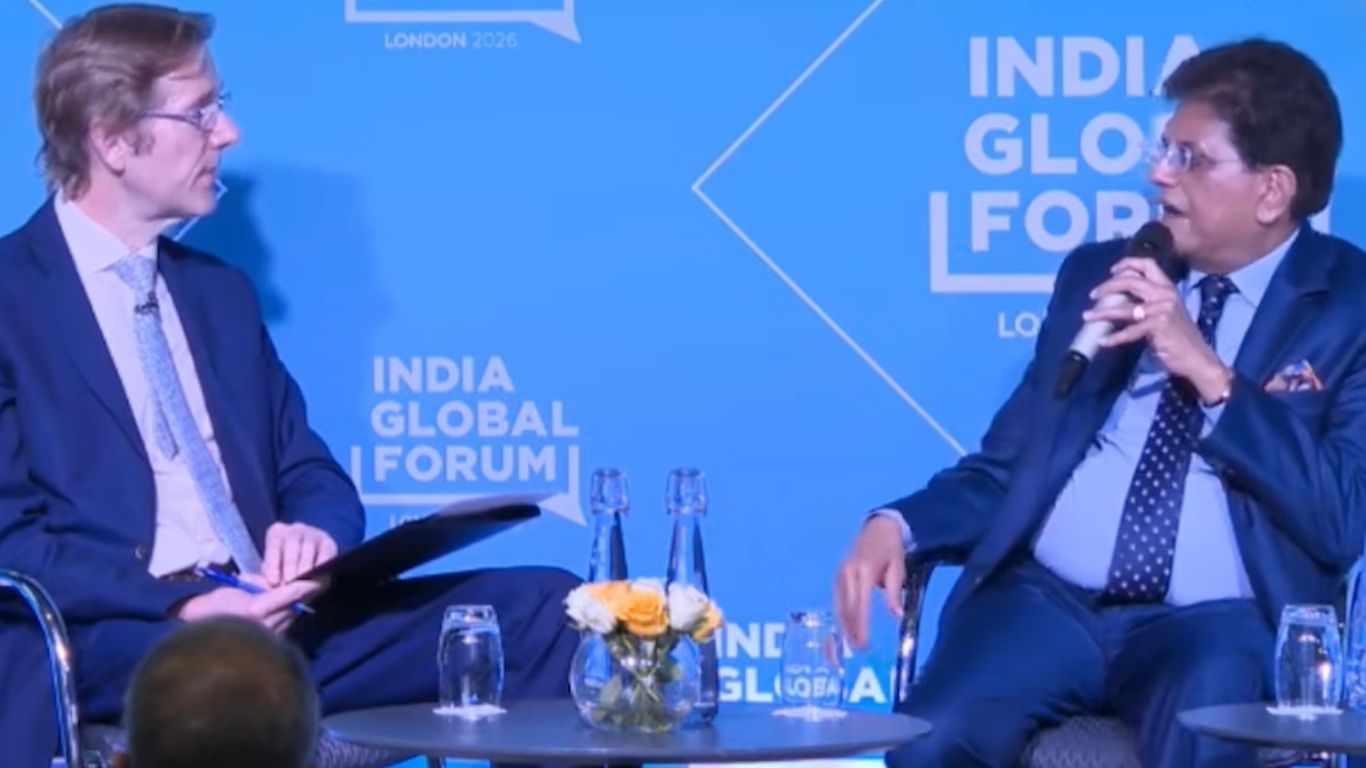
The latest round of talks took place in New Delhi from June 22 to June 24. U.S. Trade Representative Jamieson Greer led the American delegation, while Commerce and Industry Minister Piyush Goyal represented India. The discussions focused on key trade issues and reviewed progress made during recent months.
According to India’s Commerce Ministry, both sides examined major elements of the proposed bilateral trade agreement, including market access, digital trade, supply chain resilience, non-tariff barriers, and cooperation in strategic sectors. Officials said negotiating teams achieved substantial progress and continued to move closer to an interim agreement.
The talks come at an important time for both economies. India and the United States want to strengthen commercial ties while adapting to changes in global trade policies. As a result, both governments have increased efforts to complete an initial agreement before the temporary U.S. tariff arrangement ends next month.
The Commerce Ministry said the interim pact would serve as a stepping stone toward a broader bilateral trade agreement. In addition, both countries reaffirmed their commitment to a balanced and commercially meaningful deal that benefits businesses, farmers, workers and consumers.
Goyal also highlighted the positive momentum in the negotiations. In a social media post, he said both sides reviewed ongoing discussions and continued to engage in a constructive and forward-looking manner. Furthermore, he praised the efforts of negotiating teams working to advance the trade partnership.
The ministerial meeting followed earlier discussions between chief negotiators held in New Delhi from June 2 to June 4. Moreover, it came shortly after Indian Prime Minister Narendra Modi and President Donald Trump met on the sidelines of the G7 summit in France on June 17. That meeting added fresh momentum to trade negotiations and reinforced the importance of stronger economic cooperation.
A major issue in the discussions involves tariff treatment for Indian exports. India has sought preferential tariff access because recent changes in U.S. trade policy reduced advantages that Indian exporters expected to gain over competitors such as Vietnam and several ASEAN countries.
Under a framework announced on Feb. 7, the United States agreed to reduce tariffs on Indian goods to 18 percent from 25 percent. However, subsequent developments altered the trade landscape. The U.S. Supreme Court later struck down broad tariff measures introduced by the Trump administration. In response, Washington imposed a temporary 10 percent tariff on imports from all countries under Section 122 of the Trade Act.
That temporary measure took effect on Feb. 24 and will expire on July 24. Therefore, both countries are trying to complete an interim agreement before the deadline. Once the tariff measure expires, most imports are expected to return to normal most-favored-nation tariff rates.
The February framework also included a provision allowing either country to modify commitments if tariff levels changed. Consequently, India and the United States revisited several parts of the proposed agreement after the U.S. tariff changes took effect.
Meanwhile, the Office of the United States Trade Representative launched two Section 301 investigations in March. One investigation examines alleged excess industrial capacity, while the other focuses on forced-labor concerns in global supply chains. India is among the economies included in both reviews.
Beyond tariff issues, the proposed agreement covers a wide range of products and sectors. India has offered to reduce or eliminate tariffs on U.S. industrial goods and several agricultural products. These include dried distillers’ grains, red sorghum, tree nuts, fruits, soybean oil, wine and spirits, among other items.
India has also expressed interest in purchasing $500 billion worth of U.S. energy products, aircraft, aircraft components, technology products, precious metals, and coking coal over the next five years. Such purchases could further deepen economic ties between the two countries.
Trade between India and the United States remains strong. During the 2025-26 fiscal year, India’s exports to the U.S. rose 0.92 percent to $87.3 billion. Imports from the U.S. increased 15.95 percent to $52.9 billion. As a result, India’s trade surplus with the United States declined to $34.4 billion from $40.89 billion in the previous fiscal year.