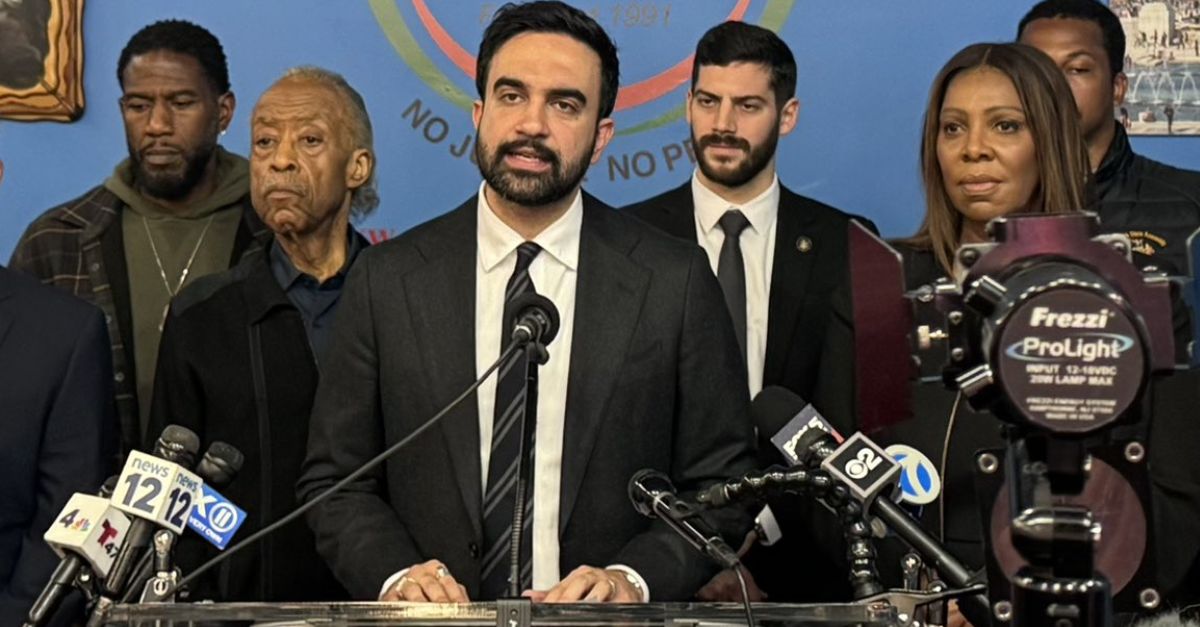
NEW YORK (Diya TV) — Mayor-elect Zohran Mamdani says he will end New York City’s homeless encampment sweeps when he takes office in January, marking a major shift from one of Mayor Eric Adams’ most visible and controversial initiatives. Mamdani, a Democratic Socialist and state lawmaker from Queens, announced the policy change Thursday during a press conference in Manhattan. He said the city must focus on connecting people to stable housing rather than clearing their makeshift shelters.
Mamdani said he will stop all encampment sweeps on Day One. He argued that removing tents and temporary structures has failed to reduce homelessness or move people into permanent homes. He called the Adams administration’s approach ineffective and said it treated homelessness as an unavoidable part of city life instead of a solvable policy issue. He emphasized that the city’s duty is to provide housing solutions, whether through supportive housing or rental units.
He said the city cannot claim success if people return to the streets after every sweep. His comments underscored a sharp break from the current administration’s emphasis on “cleanups,” which began shortly after Adams took office in 2022.
City records show more than 45,000 encampment complaints filed through 311 in the first 11 months of 2025. Many complaints came from residents concerned about safety, blocked sidewalks, and deteriorating conditions around makeshift camps. Mamdani did not offer new details about how he plans to respond to those concerns once the sweeps end. He acknowledged the challenge but said housing access must remain the city’s priority.
Adams made clearing encampments one of his earliest major initiatives. He said the city could not allow tents on sidewalks, in parks, near schools, or along highways. He argued the sweeps protected both public safety and those living outdoors. In 2022, he said the encampments were unsafe and unacceptable in a city with a large shelter system.
City Comptroller Brad Lander later audited the program and found that roughly 95% of people removed from encampments returned to the streets. The report said the initiative moved very few people into permanent or stable homes. The findings drew criticism from advocates who said the sweeps were disruptive, traumatic, and ineffective.
City Hall strongly rejected the audit. A spokesperson said the report misrepresented the data and ignored the administration’s progress. Officials said more than 500 people had been connected to safe housing through encampment cleanups. They also noted that New York City has the lowest rate of unsheltered homelessness among major U.S. cities.
Mamdani said the city must adopt a “housing-first” strategy focused on long-term solutions. He argued that homelessness stems from policy decisions, not personal choice or inevitability. He said the city can reduce street homelessness only by expanding access to supportive housing, mental health care, and affordable rentals. He framed his plan as a break from past practices he views as punitive and counterproductive.
He also called for treating people experiencing homelessness with dignity and respect. Mamdani said the city should avoid policies that uproot people without offering stable alternatives. However, he has not yet released a detailed plan outlining how the city will increase housing placements or address residents’ concerns about public spaces.