WASHINGTON (Diya TV) — One of the wealthiest Democrats in Congress plans to introduce a bill that targets a little-known strategy used by some of the richest Americans to avoid paying taxes. The proposal comes as debates over tax fairness grow sharper ahead of the 2026 midterm elections.
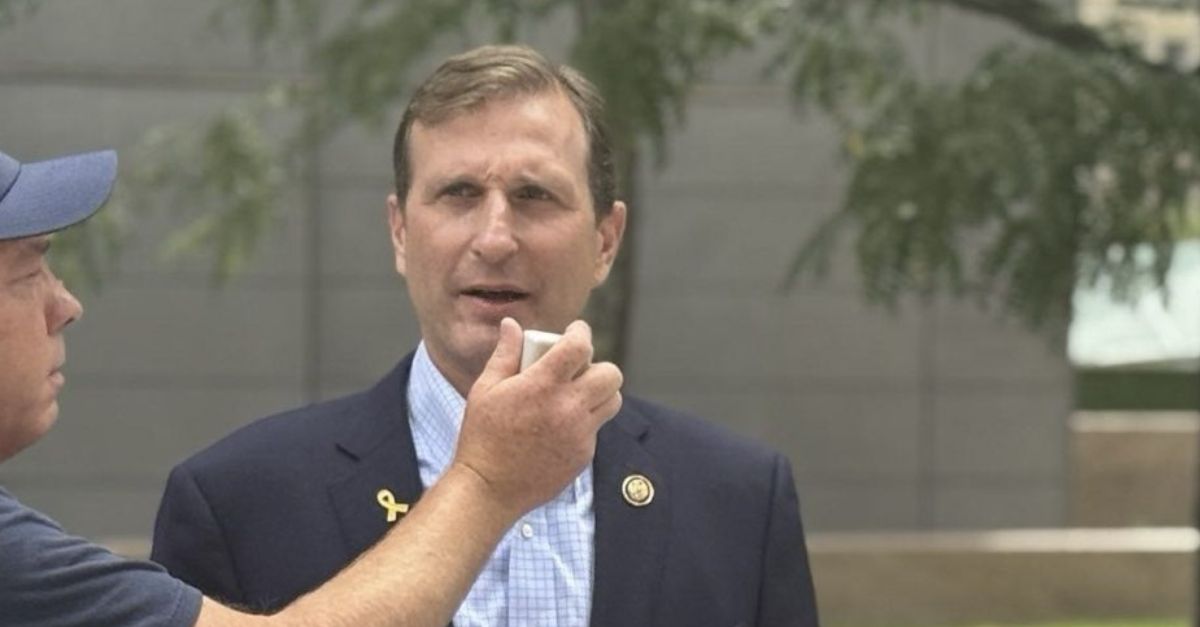
Rep. Dan Goldman, a New York Democrat and heir to the Levi Strauss fortune, will unveil the bill on Thursday. The legislation aims to close a tax loophole that allows wealthy individuals to borrow against their rising assets without paying capital gains taxes. Many ultra-rich Americans use this strategy to access large amounts of money without selling their investments.
Goldman says the bill would not raise tax rates. Instead, it would charge a 20% excise tax on certain loans tied to capital assets. The measure would apply to individuals earning more than $400,000 per year or couples earning more than $450,000. The bill exempts home mortgages and a few other types of loans.
He says the bill will help level the playing field. “This bill would raise taxes on me personally,” Goldman said. He added that Congress needs to “creatively think” about how to reduce wealth inequality.
The Republican-controlled House is unlikely to pass the bill. Still, Goldman says some GOP lawmakers may support it because it does not increase tax rates. He argues that the proposal simply enforces fairness by taxing a financial tactic used by a small group of wealthy Americans.
The plan arrives as Goldman faces political pressure at home. Reports suggest New York City Comptroller Brad Lander may challenge him in a future Democratic primary. Lander is an ally of Zohran Mamdani, who recently won New York City’s mayoral race and has strong support among progressives. Goldman’s bill could help him appeal to Democratic voters who want tougher measures on the wealthy.
The bill, called the ROBINHOOD Act, stands for Redistribution of Billions by Instituting New High-Income Obligations on Overlooked Debt. It focuses on loans backed by appreciating assets such as stocks or business shares. Wealthy borrowers can use these assets to secure large credit lines, often worth millions, without selling anything. Since they do not sell the assets, they do not pay taxes on gains.
Goldman wants to limit this practice. Borrowed funds are typically not subject to income taxes, which allows some of the richest Americans to avoid paying taxes for years. Supporters of the bill say the excise tax would prevent people from using loans as a tool to escape taxes indefinitely.
Groups like Americans for Tax Fairness and Social Security Works back the proposal. They argue that wealthy taxpayers should not have access to tax-free financing options unavailable to most Americans.
Democrats in Congress have increased their focus on taxing large corporations and billionaires. Many lawmakers hope this message will resonate with voters who feel the system favors the rich. Sen. Bernie Sanders is pushing that message nationwide through his Fighting Oligarchy tour. The tour features lawmakers aligned with the progressive wing of the party, including Mamdani.
Democrats also highlight former President Donald Trump’s signature tax law, which gave major tax cuts to high-income households. Trump and GOP lawmakers defend the law and stress provisions like eliminating taxes on tips. They say those measures help workers in service industries. As both parties shape their tax agendas for 2026, debates over fairness, rates, and loopholes are likely to intensify.
Goldman says he does not expect his bill to move quickly. But he believes it starts an important discussion about how wealthy Americans use the financial system. The proposal also signals that tax policy will remain a central political fight heading into the next election cycle.
Supporters say the ROBINHOOD Act is a simple step toward tax fairness. Critics, however, may argue that it limits financial flexibility or targets a small group for political gain. The coming months will show whether Goldman can find allies across the aisle.
The debate over wealth, taxes, and fairness shows no signs of slowing. As more lawmakers talk about closing loopholes, Americans can expect tax policy to stay at the center of national politics.