NEW DELHI (Diya TV) — India has summoned Iran’s deputy ambassador after an Iranian missile strike on two UAE-flagged oil tankers in the Strait of Hormuz killed an Indian crew member and injured eight others, according to government sources. The diplomatic move came as tensions continued to rise in one of the world’s most important shipping routes.
The strike has increased concerns about the safety of commercial vessels traveling through the Strait of Hormuz. The narrow waterway carries about one-fifth of the world’s oil and natural gas shipments. As a result, any attack in the area can affect global energy markets and international trade.
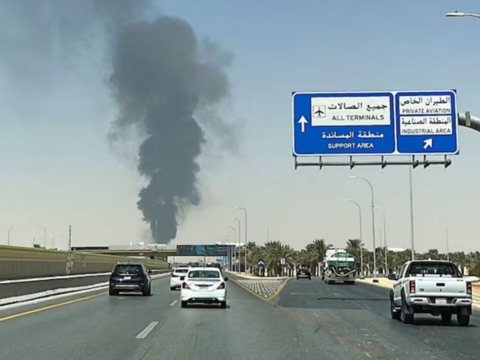
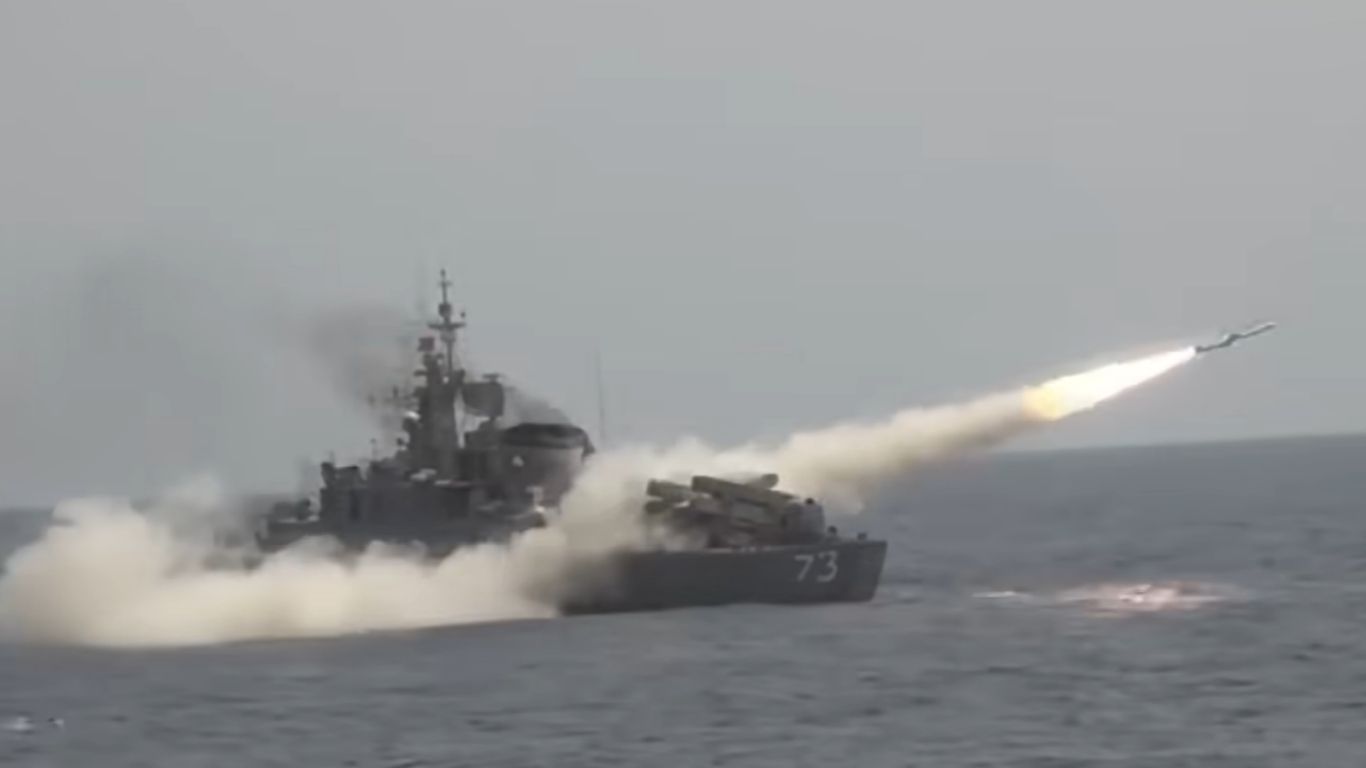
According to the United Arab Emirates, Iranian cruise missiles struck the tankers Mombasa and Al Bahiyah in the southern shipping lane of the Strait of Hormuz. The attack took place in Omani territorial waters. Both ships caught fire after the missiles hit them.
The strike killed one Indian crew member. It also injured eight others. The injured included six Indians and two Ukrainians. Officials said four of the victims remain in critical condition. Emergency teams responded quickly, but the attack caused significant damage and raised fresh fears over maritime security.
Soon after the incident, India summoned Iranian Deputy Chief of Mission Mohammad Javad Hosseini and other Iranian diplomats to the Ministry of External Affairs. Indian officials expressed serious concern over the attack and sought assurances from Iran regarding the safety of civilian ships in the region.
The Ministry of External Affairs also released a strong statement following the meeting. It called for an immediate reduction in tensions and urged all sides to support ongoing diplomatic efforts.
“We reiterate our call for immediate de-escalation of tensions, and the conclusion of ongoing negotiations for a diplomatic solution so that peace and stability can return to the region,” the ministry said.
The ministry also stressed the need to protect commercial shipping. It said attacks on civilian vessels and critical infrastructure must stop immediately. In addition, it called for the restoration of free and uninterrupted navigation through international waterways in line with international law.
Meanwhile, the UAE strongly condemned the missile strike. Abu Dhabi described the attack as a “brazen” violation of international law. UAE officials said the missiles directly targeted commercial tankers that operated in a recognized shipping lane. They also warned that such attacks threaten regional stability and global trade.
At the same time, Iran’s Islamic Revolutionary Guard Corps defended its position. The group again accused the United States of directing ships through what it described as an illegal route closer to the Omani side of the Strait of Hormuz. It also claimed that the route remained dangerous because of naval mines in the area.
Those statements added to the already tense atmosphere in the Gulf. Shipping companies now face growing uncertainty as they continue operations through the strategic waterway. Many industry experts fear that repeated attacks could disrupt energy supplies and increase transportation costs.
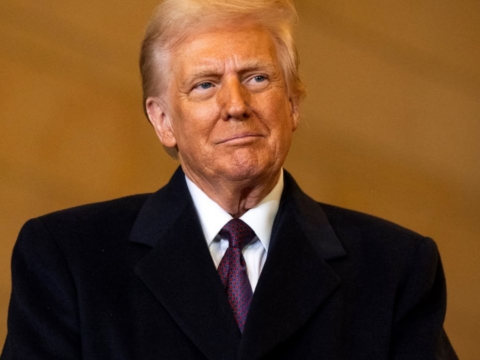
The latest incident also came after U.S. President Donald Trump offered military protection to commercial vessels traveling through the Strait of Hormuz. Trump said ships could receive U.S. protection by paying a 20% fee. However, Iran rejected the proposal. Iranian officials insisted that the Strait of Hormuz remains under Iran’s control and dismissed the suggested fee as unacceptable.
The Strait of Hormuz remains one of the world’s most closely watched maritime routes. Every day, hundreds of commercial vessels carry crude oil, natural gas, and other cargo through the narrow passage. Therefore, any disruption in the area quickly attracts international attention.
India continues to monitor the situation closely because thousands of Indian citizens work aboard commercial ships operating in the Gulf region. New Delhi has repeatedly called for peace, stability, and respect for international law. The government has also emphasized the importance of protecting civilian lives and ensuring safe navigation for all commercial vessels.