NEW DELHI (Diya TV) — India and the United States have moved closer to a trade agreement that could help resolve tariff disputes and provide greater certainty for businesses in both countries. Indian officials say both sides have agreed on the framework of the deal, although they have not announced a signing date.
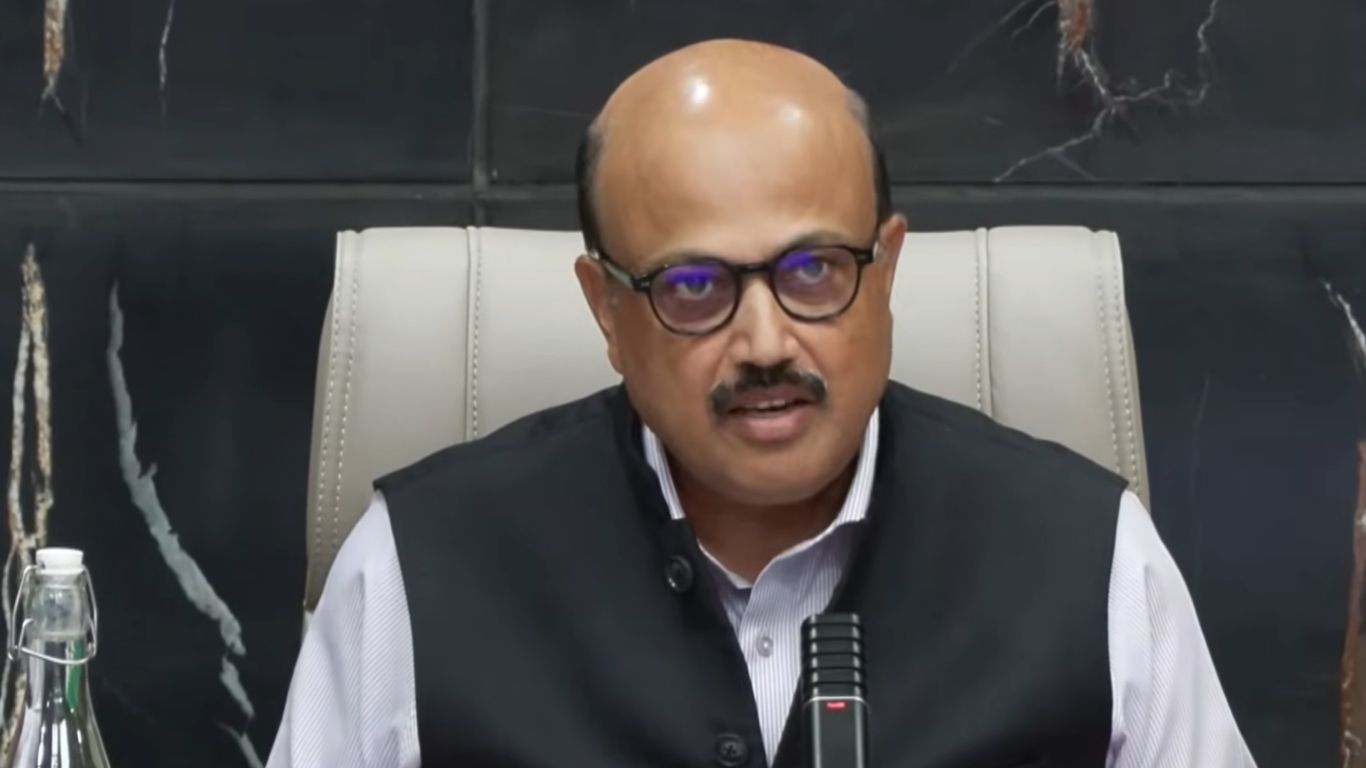
Commerce Secretary Rajesh Agrawal said Monday that the agreement will create a path to address proposed U.S. tariffs linked to the ongoing Section 301 trade investigations. He added that both countries will sign the deal at the “right moment” after completing the remaining process.
The trade talks come as India faces possible new U.S. tariffs. Washington has proposed a 12.5% tariff following a Section 301 investigation into forced labor concerns. At the same time, U.S. officials are also reviewing India’s manufacturing capacity, which could lead to more trade measures.
Agrawal said one investigation has reached an advanced stage. India has already joined consultations and submitted its response. He expects the final report to arrive later this month. Meanwhile, the second investigation still awaits a draft report. According to Agrawal, that process could take at least four to six weeks after the draft becomes available.
He stressed that the upcoming India-US trade deal will address every important part of the economic relationship. He said trade agreements should not allow new tariff barriers to appear after both countries complete negotiations. Instead, both governments plan to find practical solutions that protect trade while supporting long-term cooperation.
However, officials also acknowledged that negotiations remain challenging. According to senior government officials quoted by The Indian Express, several issues still divide the two countries. One official said the United States has not softened some of its demands. Another official said India will continue to protect its agriculture sector and will not open its market to U.S. farm products. As a result, market access for agricultural goods remains one of the biggest sticking points.
Even so, Commerce Minister Piyush Goyal expressed confidence after recent discussions with U.S. Trade Representative Jamieson Greer. In a social media post on Monday, Goyal said both governments remain committed to reaching a balanced and commercially meaningful agreement. He added that the negotiating teams continue to work closely toward a deal that benefits businesses, farmers, workers, and consumers in both countries.
Meanwhile, the tariff situation continues to evolve. The United States currently applies a 10% global tariff under Section 122. Those tariffs are expected to expire on July 24. After that, U.S. officials may return to tariffs under Section 301 of the Trade Act of 1974. Therefore, India hopes the trade agreement will help reduce uncertainty before any new measures take effect.
Agrawal also highlighted another positive development in bilateral trade. He said India has increased its imports of U.S. energy products. That shift comes as President Donald Trump has repeatedly criticized the trade imbalance between the two countries.
New trade figures also show changes in the overall relationship. India’s export surplus with the United States fell by more than 40% to $2.94 billion in May from $5.02 billion during the same month last year. Even so, the United States remains India’s only major trading partner where exports exceed imports.
In addition, India’s dependence on the American market has steadily increased over the past decade. Official data shows the United States now accounts for nearly 20% of India’s total exports, compared with about 10% during the 2010-11 financial year. That growing share highlights the importance of stable trade ties between the two economies.
Trade patterns also shifted in key sectors. India’s petroleum product exports to the United States dropped more than 24% in March compared with the same month last year. However, imports of similar products from the United States surged by more than 130% during the same period.
Likewise, electronic components showed a similar trend. India’s exports declined sharply, while imports from the United States more than doubled. Those figures reflect stronger purchases from American suppliers even as Indian shipments slowed.