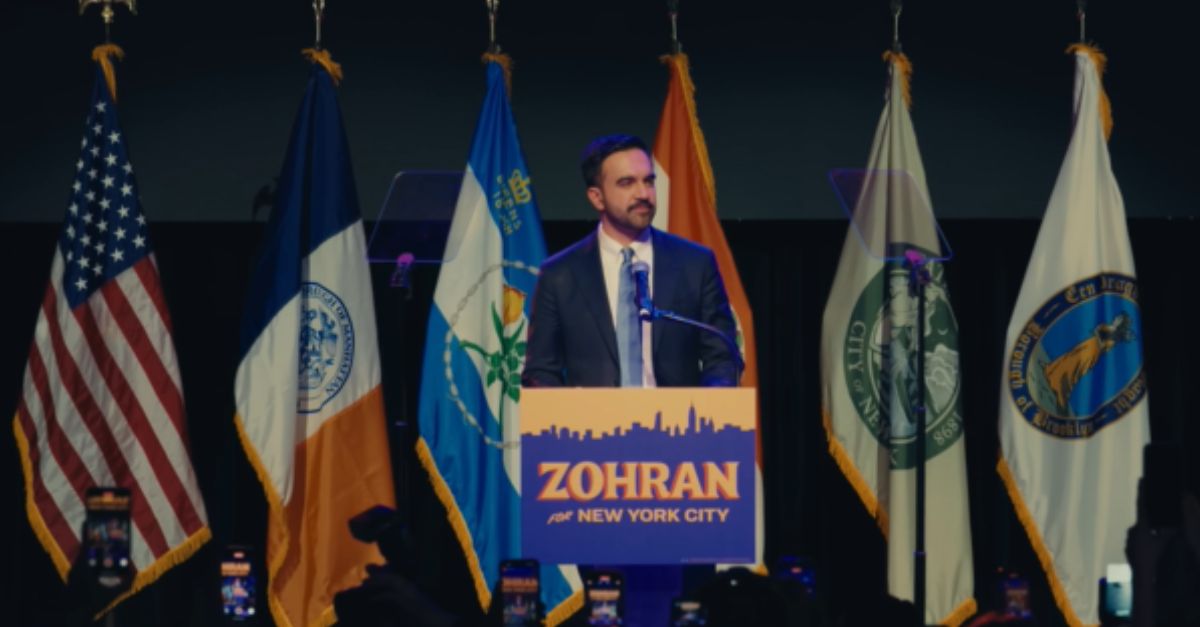
NEW YORK (Diya TV) — Mayor-elect Zohran Mamdani faced an early political test in the race for New York City Council speaker. His quiet push to slow the contest — and possibly shape the outcome — fell short. The episode has raised questions about how he will manage political relationships once he takes office. Days after winning the November election, Mamdani and his team asked labor unions, county party organizations, and Council members to delay their endorsements. They wanted time to evaluate the field. Several groups had already leaned toward Council Member Julie Menin, but Mamdani hoped to keep the race open while he assessed his options.
His team repeated the request in the following weeks. They urged some members to avoid backing Menin publicly. They also explored ways to influence the outcome by talking with power brokers who had sway over the Council. Yet Mamdani never made a clear push for a particular candidate. Many assumed he favored Council Member Crystal Hudson, who had strong support among progressives. But the mayor-elect’s team did not define its preferred result, leaving allies and critics uncertain.
As Thanksgiving approached, Menin’s supporters made their move. Her coalition gathered in the office of Rep. Greg Meeks to finalize a press release listing Council members backing her. The next day, Menin went public with a supermajority of support. Major unions joined her side, including 32BJ, the Hotel and Gaming Trades Council, the carpenters’ union, and the United Federation of Teachers.
With that unified show of force, Menin locked down the speakership before Mamdani’s team could act. The result was a clear setback for the incoming administration’s earliest political effort.
Political observers say the moment could preview how Mamdani governs. Some see a team slow to adapt from advocacy politics to the fast, transactional world of City Hall. One Democratic consultant said Mamdani’s aides are sharp but inexperienced in the kind of backroom dealmaking that drives New York City government.
Others argue the mayor-elect acted wisely. They say a messy speaker’s race is a trap for any incoming mayor. They note Mamdani had just fought a tough general election, leaving little time to maneuver. They also say his top priorities — housing, affordability, and state-level policy — depend more on Albany than the Council.
After her win, Menin signaled she wants to work with Mamdani. She said they share similar affordability goals. Mamdani’s spokesperson echoed that sentiment and said the new administration looks forward to working together. Still, Menin has promised to use the Council’s subpoena power. She has also pledged to take a hard look at Mamdani’s proposal to create a Department of Community Safety. Those moves could set up friction between City Hall and the Council.
Past mayors have struggled with Council speakers. Bill de Blasio helped Melissa Mark-Viverito rise to the job in 2013 and then leaned heavily on intergovernmental affairs to manage the relationship. Eric Adams took a different approach and faced four years of tension with Speaker Adrienne Adams.
Mamdani now faces his own challenge. If he wants to push his agenda, he will need steady ties with the Council and with lawmakers in Albany. Those skills — coalition-building, dealmaking, and constant communication — were central to the speaker’s race.
A person close to Mamdani’s transition said the mayor-elect chose not to fully engage in the contest. They argued it was not worth the political cost. They also said affordability has become a shared priority across city and state leaders, giving Mamdani room to move forward without a speaker fight.
Advisers say the new administration will take a more engaged approach once Mamdani enters office. They note that, unlike the speaker’s race, upcoming policy battles will be clear priorities. For now, the episode shows the steep learning curve facing a mayor who built his career in activist politics. The next year will test how he turns campaign promises into governing power — and how well he navigates the forces that shape New York City.