
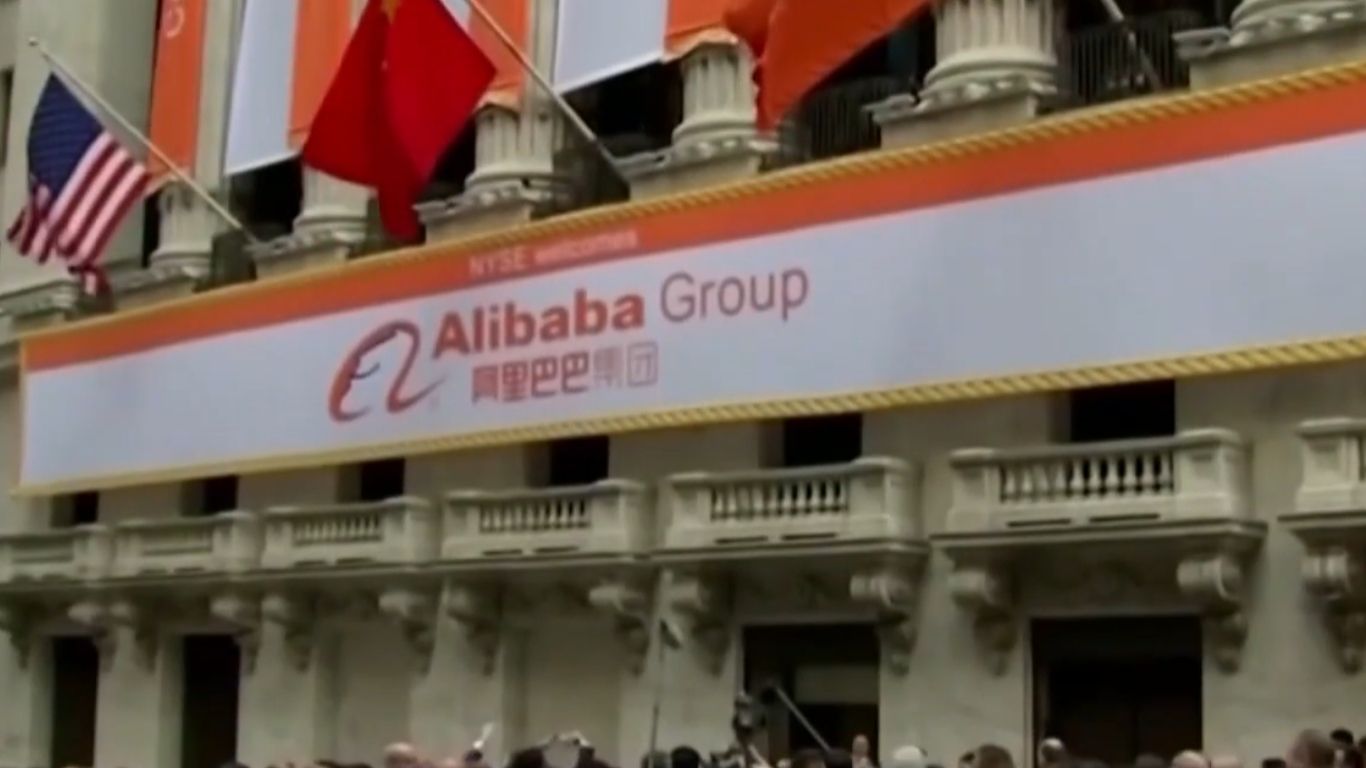
SAN JOSE, Calif. (Diya TV) — Chinese technology giant Alibaba has filed a federal lawsuit against the U.S. Department of Defense after the Pentagon added the company to its list of firms with alleged ties to China’s military. The lawsuit marks the latest clash between Washington and Beijing as tensions over trade, technology, and national security continue to grow.
Alibaba argues that the Pentagon decided without evidence. The company says the designation hurts its business, damages its reputation, and limits its ability to work with partners in the United States. Meanwhile, the legal challenge comes as both countries try to maintain stable relations despite ongoing disputes.
Alibaba filed the lawsuit on Tuesday in federal court in San Jose, California. In the complaint, the company called the Pentagon’s decision “arbitrary and capricious.” It also argued that the designation has no legal or factual basis.
A company spokesperson said Alibaba is not a Chinese military company and has no role in China’s military-civil fusion strategy. Therefore, the company wants the court to order the Defense Department to remove its name from the list.
The Pentagon recently updated its list of companies that it believes have links to the Chinese military. The list includes Alibaba, electric vehicle maker BYD, and internet giant Baidu. U.S. officials say the list helps identify companies that could support China’s military capabilities.
Although the designation does not immediately block all business activity, it creates important restrictions. Beginning June 30, the Pentagon cannot sign new contracts with companies on the list or with their controlled subsidiaries. In addition, the designation limits the companies’ ability to hire lobbying firms in the United States.
Alibaba says those restrictions have already affected its operations. According to the lawsuit, several advocacy groups and lobbyists that represented the company for years have informed Alibaba that they can no longer provide those services. As a result, the company argues that the designation violates its First Amendment rights by limiting its ability to communicate with government officials through legal representatives.
Furthermore, Alibaba said it operates as a publicly traded company with a broad shareholder base. The company noted that major U.S. financial institutions, including JPMorgan, Citigroup, and BlackRock, hold significant investments. Alibaba argues that its ownership structure reflects its commercial focus rather than any military connection.
The legal action follows similar objections from other Chinese companies. Earlier, both BYD and Baidu denied any military ties and rejected their inclusion on the Pentagon’s list. Likewise, the Chinese Embassy criticized the U.S. government for what it described as an unfair expansion of national security concerns. Chinese officials also accused Washington of creating discriminatory lists that target Chinese businesses without sufficient evidence.
At the same time, the dispute has expanded beyond the courtroom. Earlier this week, China announced export controls on 10 U.S. companies involved in defense and rare earth mining. Chinese officials presented the move as a response to recent U.S. actions involving Chinese firms.
As a result, the latest measures add another layer to the growing competition between the world’s two largest economies. Trade restrictions, technology controls, and investment rules have become major issues in the relationship between the United States and China over the past several years.
Even so, both governments have recently expressed interest in maintaining stable ties. Last month, President Donald Trump met Chinese President Xi Jinping in Beijing. The leaders discussed ways to improve communication and reduce tensions after several years of economic and political disagreements. However, disputes involving national security and technology continue to challenge those efforts.