WASHINGTON (Diya TV) — Waymo, a leader in self-driving technology, confirmed this week that it uses remote workers in the Philippines to help guide its autonomous vehicles operating on U.S. roads. The disclosure came during a Senate hearing and quickly raised concerns about safety, cybersecurity, and American jobs. The admission followed questioning from lawmakers who pressed Waymo executives on how the company handles complex driving situations that its vehicles cannot immediately solve.
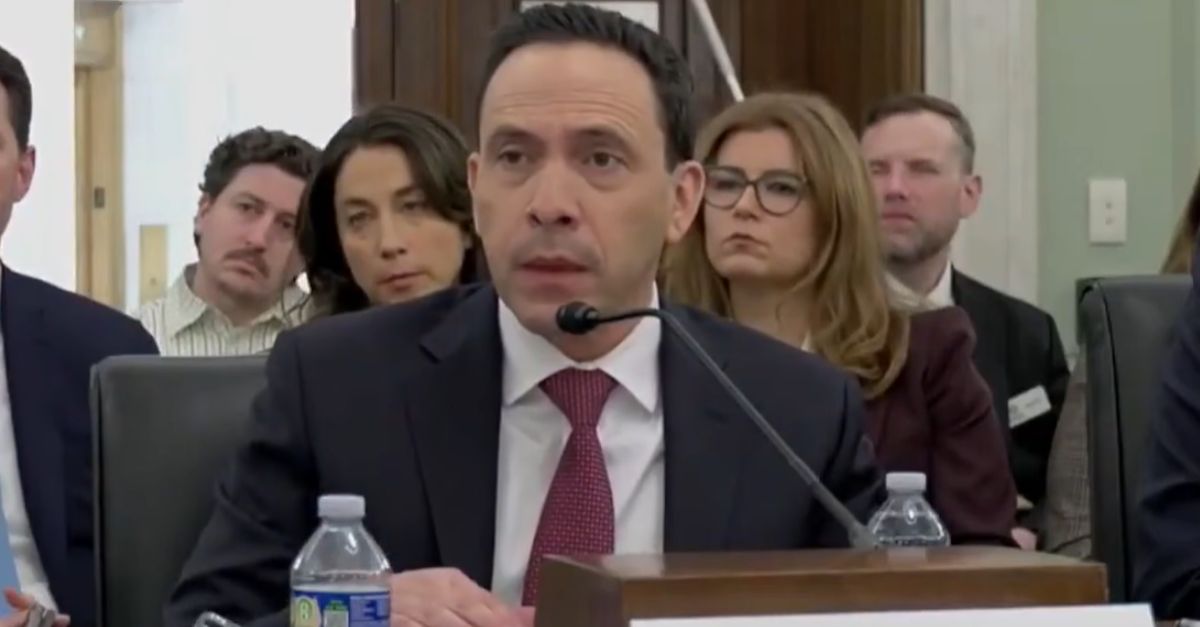
On Wednesday, Feb. 4, the Senate Committee on Commerce, Science, and Transportation held a hearing focused on the future of autonomous vehicles. Lawmakers heard testimony from representatives of Tesla, the Autonomous Vehicle Industry Association, and legal experts.
Waymo Chief Safety Officer Dr. Mauricio Peña also testified. During the hearing, Sen. Ed Markey of Massachusetts questioned Peña about what happens when a Waymo vehicle faces a situation it does not understand.
“The Waymo phones a human friend for help,” Markey said.
Peña confirmed that Waymo relies on remote assistance operators to guide in certain situations. He stressed that these workers do not control the vehicles.
“They provide guidance, they do not remotely drive the vehicles,” Peña said. “Waymo is always in charge of the dynamic driving task.”
Markey then asked where these remote operators work. Peña said some are based in the United States, and some are located overseas. He said he did not know the exact breakdown. After additional questioning, Peña confirmed that Waymo’s international remote operators are based in the Philippines. That revelation sparked immediate concern from lawmakers.
“Having people overseas influencing American vehicles is a safety issue,” Markey said. He warned that delayed information could affect real-time decisions. He also raised concerns about cybersecurity risks and job losses for U.S. drivers.
Waymo defended the practice in a statement to PEOPLE magazine. A company spokesperson said the overseas workers help the company scale operations globally. The spokesperson said these workers are known as fleet response agents. Each agent must hold a passenger car or van license. They also undergo regular driving history checks.
The company emphasized that fleet response agents never drive vehicles remotely. Instead, they provide extra context to the autonomous system when needed. Waymo said its technology usually resolves situations on its own. Waymo declined to share how many remote operators work in the U.S. versus abroad.
Waymo, which is owned by Alphabet, currently operates autonomous vehicles in six U.S. markets. These include Atlanta, Los Angeles, Miami, Phoenix, the San Francisco Bay Area, and Austin, Texas. The company plans to expand into additional cities. These include Boston, Dallas, Denver, Las Vegas, and Washington, D.C. Waymo has also announced plans to expand overseas, including into London.
The Senate hearing came less than two weeks after a Waymo vehicle struck a child in Santa Monica, California. The incident occurred on Jan. 23 during a school drop-off period. According to Waymo, the child entered the roadway from behind a tall SUV.
“Our technology immediately detected the individual as soon as they began to emerge,” the company said in a Jan. 28 statement.
Local station ABC7 reported that the child suffered minor injuries. The child’s age was not released.
The incident and the hearing have renewed debate over autonomous vehicle safety. Lawmakers continue to question how much transparency companies owe the public. Critics argue that reliance on overseas workers adds new risks. Supporters say remote guidance improves safety and helps technology mature.
Waymo maintains that its system keeps control at all times. Still, lawmakers say they want clearer rules as autonomous vehicles expand across U.S. roads. As self-driving cars become more common, questions about safety, accountability, and jobs remain at the center of the national conversation.