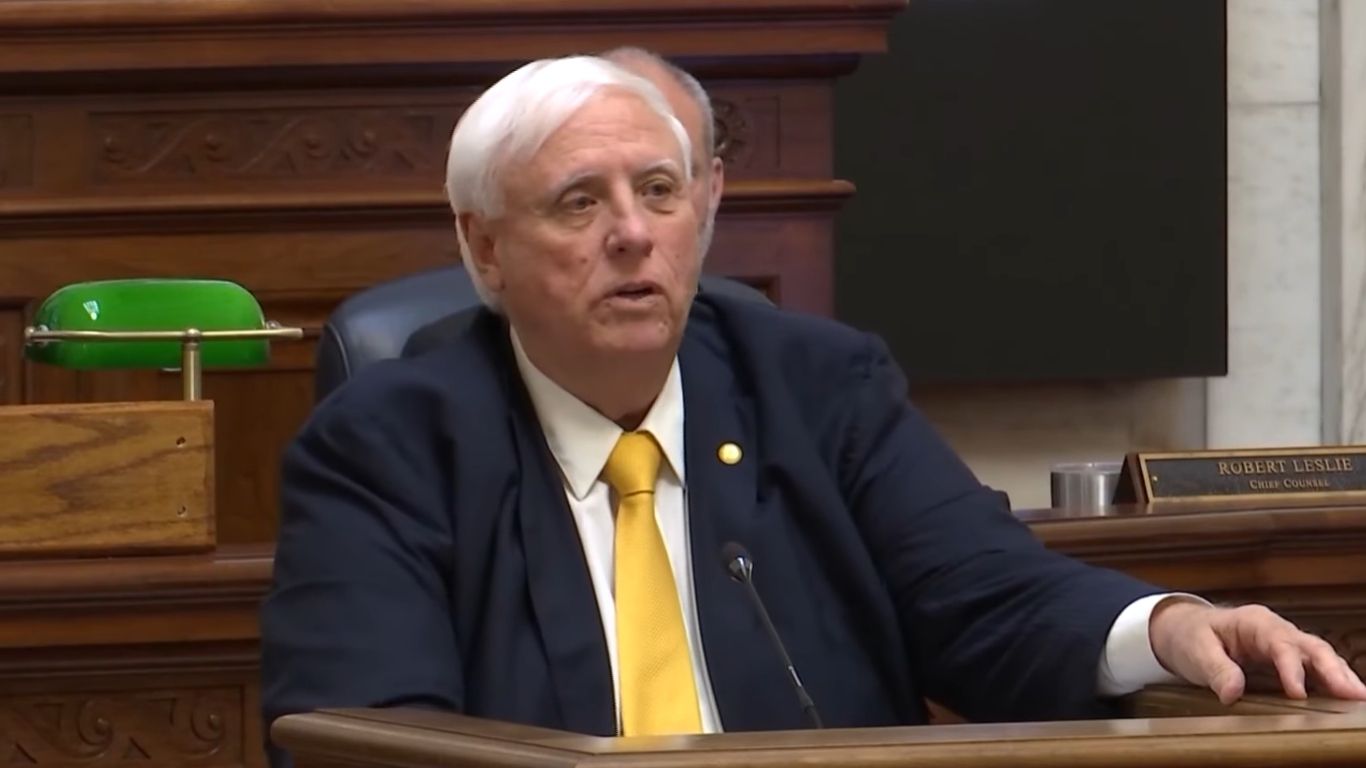
WASHINGTON (Diya TV) — The Trump administration ended a federal criminal investigation into a coal company linked to West Virginia Sen. Jim Justice, a close ally of President Donald Trump, according to people familiar with the matter. The decision has drawn attention because the investigation focused on alleged environmental violations involving coal mining operations connected to the Justice family.
The case examined possible violations of the federal Clean Water Act by mining companies associated with Southern Coal, a business largely managed by Justice’s son, Jay Justice. Federal officials had spent years reviewing pollution concerns tied to the company and its affiliated mining operations.
According to reports, prosecutors and investigators believed they had developed a strong case. However, senior Justice Department officials later halted the investigation before prosecutors could move forward.
The decision came while Todd Blanche led the Office of the Deputy Attorney General. Blanche previously served as Trump’s personal defense lawyer and later became acting attorney general. Trump has since backed Blanche for a permanent leadership role at the Justice Department.
The investigation involved several federal agencies. Prosecutors from the U.S. Attorney’s Office for the Western District of Virginia worked alongside the Environmental Protection Agency and the Justice Department’s Environmental Crimes Section. Together, they examined whether repeated pollution violations had reached the level of criminal conduct.
Federal and state regulators have scrutinized the Justice family’s coal businesses for years. Southern Coal and related companies have faced numerous lawsuits and enforcement actions over environmental compliance issues. Authorities have accused the companies of failing to meet water pollution standards at mining sites across several states.
Records cited in past legal actions show that the companies accumulated tens of thousands of alleged Clean Water Act violations during the past decade. Regulators argued that the violations threatened waterways and surrounding communities. Meanwhile, company representatives have disputed some claims and have defended their environmental practices in court.
The criminal investigation represented a major step beyond earlier civil enforcement efforts. Prosecutors sought company records and pursued legal actions to obtain additional information. At first, officials involved in the case reportedly received approval to continue their work.
However, the situation changed in recent months. As legal battles over subpoenas continued, leaders within the Justice Department decided to stop the investigation. Sources familiar with the matter said the order came from the Office of the Deputy Attorney General.
The move has sparked debate among legal observers and environmental advocates. Critics argue that ending the investigation raises questions about political influence and accountability. They point to the close relationship between Trump and Justice as a reason for concern.
Supporters of the administration, however, may argue that Justice Department leaders have broad authority to decide which investigations should continue. Federal officials routinely review ongoing cases and determine whether they meet legal standards for prosecution.
The development also highlights broader discussions about the independence of federal law enforcement agencies. Many legal experts stress that prosecutors should make decisions based on evidence and law rather than political considerations. As a result, high-profile cases involving elected officials often receive intense public scrutiny.
Jim Justice remains one of the most prominent Republican figures in West Virginia politics. Before joining the U.S. Senate, he served as governor of the state. His family has long operated major coal businesses throughout the Appalachian region.
Meanwhile, attention continues to focus on Todd Blanche’s role within the Justice Department. His transition from Trump’s defense attorney to a top government position has already generated debate in Washington. Now, the decision to halt the coal investigation has added another layer to that discussion.
The Justice Department has not publicly detailed the reasons behind ending the probe.