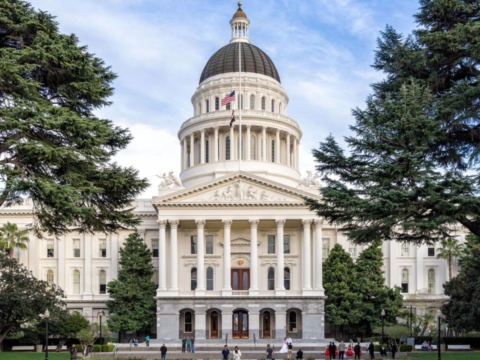
LOS ANGELES (Diya TV) — The University of Southern California abruptly canceled a high-profile gubernatorial debate Tuesday, sparking fresh controversy over fairness and transparency in California’s already unpredictable governor’s race. The decision came less than 24 hours before the event. Critics had raised concerns that the debate’s selection criteria excluded all major candidates of color.
USC officials said the cancellation followed intense backlash and a failure to resolve disagreements with co-sponsor KABC-TV over expanding the candidate list. In a statement, the university said the controversy had become a “significant distraction” from key voter issues. Officials added that they plan to explore other ways to inform voters. The debate was scheduled just weeks before ballots began arriving for California voters. The race features a wide and competitive field.
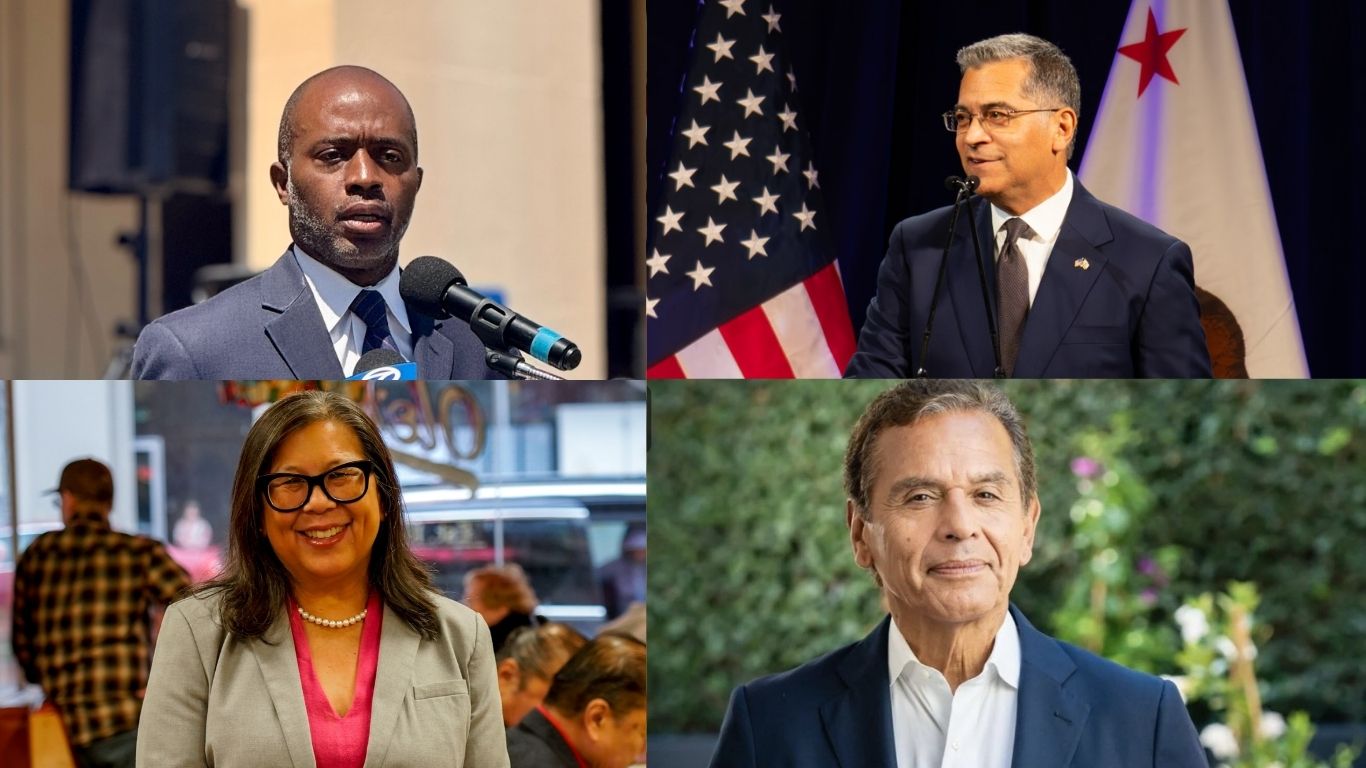
Among those left out was former U.S. Health and Human Services Secretary Xavier Becerra. He praised the cancellation and called the original setup unfair.
“We fought. We won,” Becerra wrote on social media. He said the debate format “prematurely chose winners and losers.”
Other excluded candidates included Antonio Villaraigosa, Tony Thurmond, and Betty Yee. They argued the selection process lacked fairness and transparency.
Pressure intensified Monday when top Democratic leaders urged USC to open the debate to more candidates. The letter was led by Assembly Speaker Robert Rivas and Senate President Pro Tem Monique Limón. The group warned that excluding candidates of color could undermine voter trust. They also called on Californians to boycott the event if changes were not made. The letter said the backlash included legal threats, public criticism, and growing concern among voters.
The debate lineup was based on a formula created by USC political scientist Christian Grose. The model used polling and fundraising data to determine candidate viability. USC strongly defended Grose. The university said his work is based on research and widely accepted methods. Still, critics questioned the outcome. They pointed to the inclusion of Matt Mahan, who recently entered the race and polls in the single digits.
Some also raised concerns about potential conflicts of interest. Mike Murphy, a USC-affiliated figure, has advised a group supporting Mahan. Murphy said he had no role in organizing the debate. A group of scholars from institutions including UCLA, Stanford University, and Harvard University defended Grose. They said criticism of his methodology had turned into personal attacks. The group warned that such backlash could harm academic freedom. They urged USC to stand firmly behind its faculty.
Candidates who were invited to the debate also raised concerns. Eric Swalwell, Katie Porter, and Tom Steyer all called for greater transparency. They said debate criteria must be clear, fair, and applied consistently. However, none of them withdrew from the event before it was canceled.
The controversy highlights growing tensions in California’s gubernatorial race. The election has drawn national attention due to its size and unpredictability. It also raises larger questions about how debate organizers select candidates. Critics argue that flawed criteria can shape public perception early in a campaign. USC President Beong-Soo Kim said the decision to cancel the debate was difficult but necessary. He said it was made after extensive discussions and reflection.
For now, the debate’s cancellation leaves voters without a major forum to compare candidates side by side. It also puts pressure on future organizers to ensure fairness and inclusion. As the race moves forward, transparency in debate selection may become a key issue for both candidates and voters.