JAIPUR, India (Diya TV) — Pakistan has stepped forward as a potential mediator in rising tensions between the United States and Iran, with early diplomatic signals pointing to Islamabad as a possible venue for peace talks. Officials from multiple countries say discussions could begin as early as this week, though neither Washington nor Tehran has formally confirmed participation.
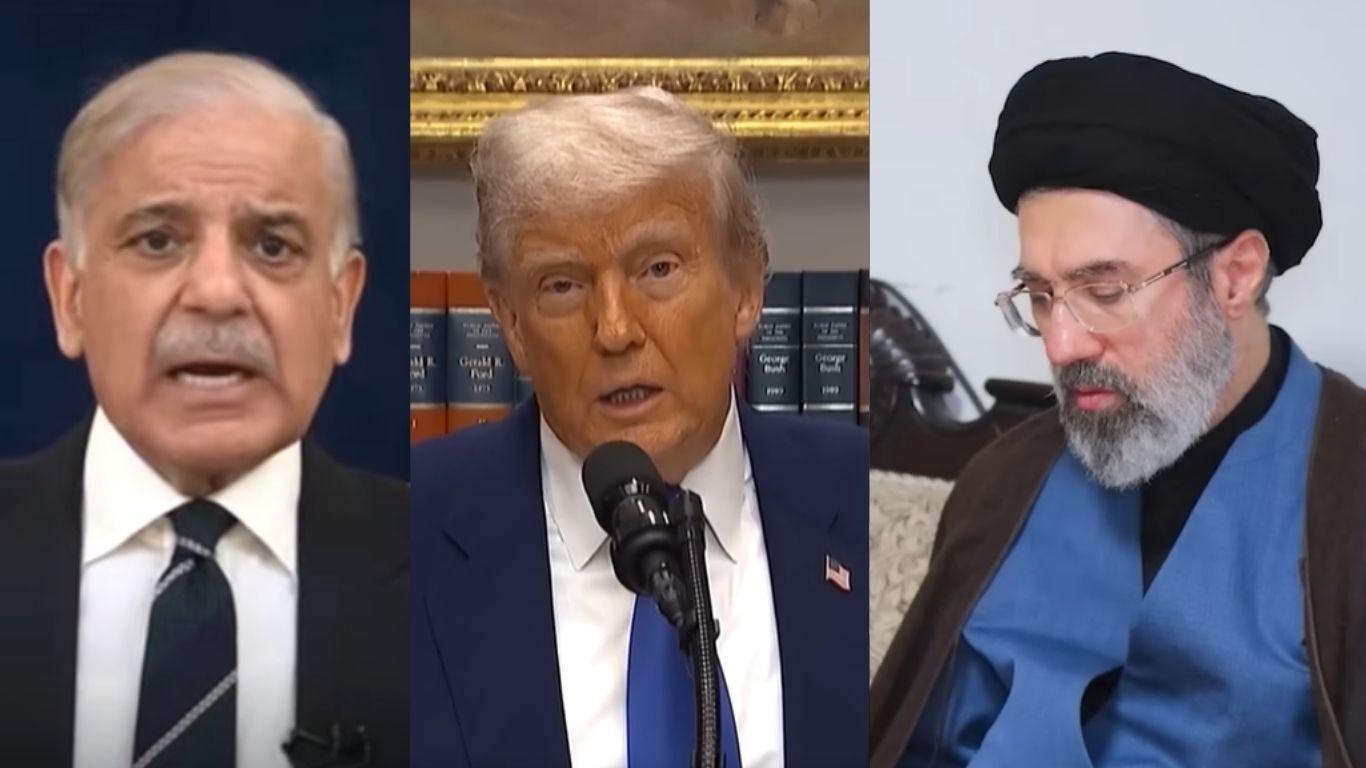
Pakistan’s prime minister, Shehbaz Sharif, said his country is ready to host negotiations to end the ongoing Middle East conflict. He emphasized the need for “meaningful and conclusive talks” and signaled Islamabad’s willingness to facilitate dialogue.
The effort comes after Pakistan’s army chief, Asim Munir, spoke with Donald Trump to discuss the crisis. The White House confirmed the conversation but did not provide details. Sharif also spoke with Iran’s president, Masoud Pezeshkian, and both leaders agreed on the urgent need for de-escalation. Pakistan has maintained communication with both sides, positioning itself as a neutral facilitator.
Sources suggest that JD Vance could lead U.S. negotiations if talks move forward. Iranian officials reportedly view Vance as a more acceptable interlocutor compared to other figures in Trump’s circle.
Tehran has rejected the involvement of Steve Witkoff and Jared Kushner. Iranian sources say they do not trust past negotiation efforts led by these figures. They believe earlier talks masked military intentions. On Iran’s side, Mohammad Bagher Ghalibaf is seen as a likely representative. However, he has publicly dismissed reports of imminent talks as false.
Diplomatic sources say a deep trust gap continues to hinder progress. Iranian officials have expressed “zero trust” in Washington. They suspect that renewed negotiations could serve as a strategy to gain a tactical advantage.
Despite this skepticism, indirect communication continues. Countries such as Oman, Turkey, Egypt, and Pakistan have carried messages between the two sides. These backchannel efforts aim to create conditions for direct talks. Trump recently said the United States has held “strong talks” with Iranian representatives. He claimed both sides have reached an agreement on many points. Iran has denied any direct negotiations.
Islamabad has emerged as a preferred location for potential talks. Iranian sources indicate a willingness to meet there, citing Pakistan’s balanced regional ties. Pakistan maintains relations with Iran, the Gulf states, and the United States. It also faces economic pressure from the ongoing conflict. Much of its oil and gas imports pass through the Strait of Hormuz, which Iran has threatened to block. Rising fuel costs and supply disruptions have added urgency to Pakistan’s diplomatic push. Officials see mediation as both a regional responsibility and a national interest.
The conflict has already affected global markets. Oil prices recently dropped below $100 per barrel after signs of possible negotiations. Analysts say any progress toward peace could stabilize energy markets.
At the same time, Trump has issued a strong warning to Iran. He set a five-day deadline tied to the reopening of the Strait of Hormuz. He threatened severe action against Iran’s energy infrastructure if demands are not met. These developments have raised concerns about further escalation. Diplomatic efforts now focus on preventing a broader regional crisis.