WASHINGTON (Diya TV) — President Donald Trump has acknowledged that his administration’s aggressive immigration enforcement policies may have gone too far, suggesting he is open to negotiating a deal with Democrats that could allow some undocumented immigrants to remain in the United States following Republicans’ losses in the midterm elections.
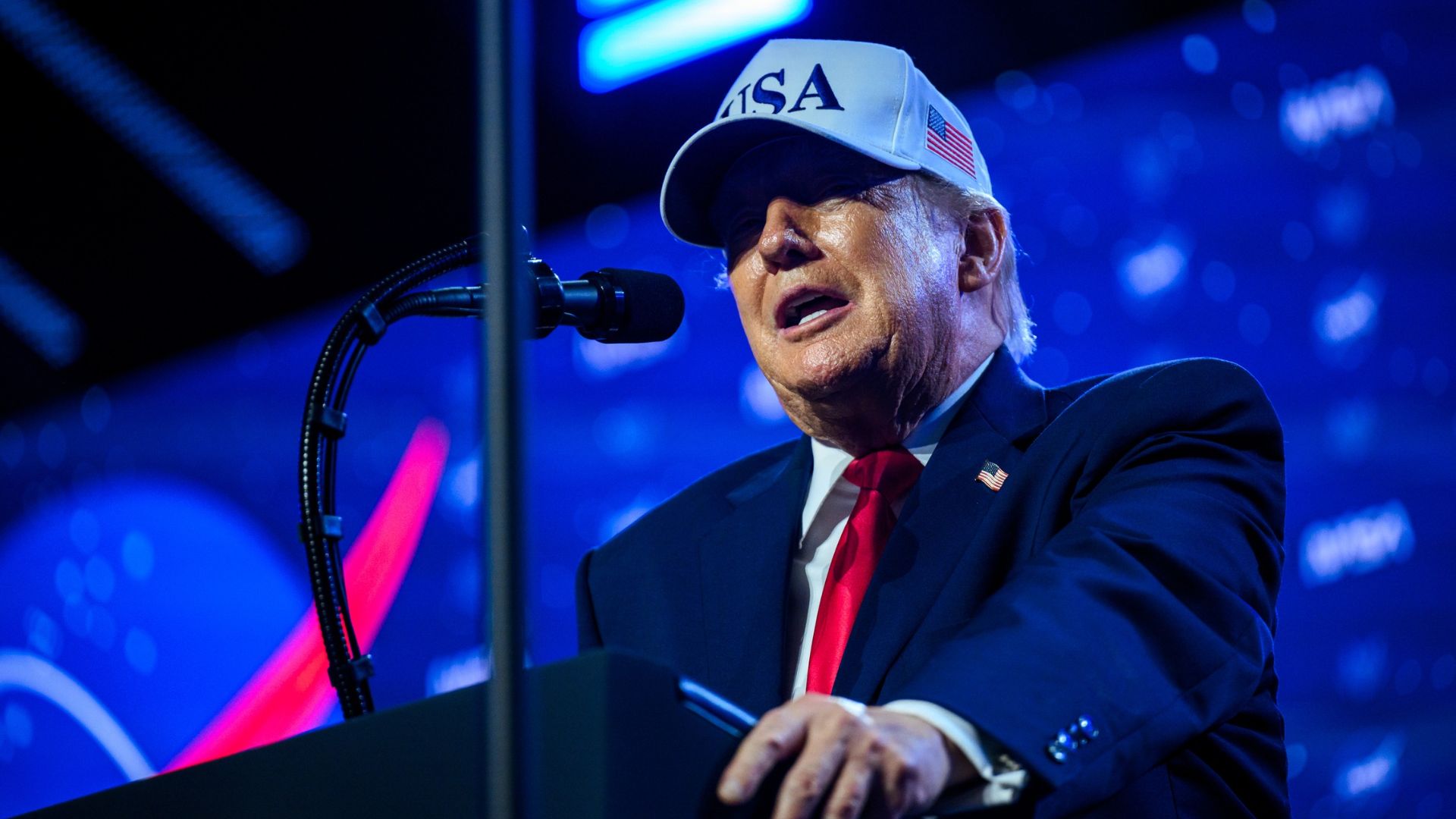
In an interview with CBS’ 60 Minutes that aired Sunday, Trump described his deportation strategy as potentially too harsh and acknowledged that removing immigrants without criminal records had created political problems for his administration.
Asked whether his immigration policies had been too aggressive, Trump responded, “I think it might be too tough, yeah.”
He specifically acknowledged that the administration had deported people with established jobs whose only violation was entering the country illegally. Trump said he recognized that many Americans supported allowing some long-term undocumented residents to remain, particularly those working in industries such as landscaping and hospitality and, in some cases, paying taxes.
Trump suggested a potential agreement could provide legal status or another pathway to remain in the country for people who have lived in the United States for 10 or 15 years, while maintaining deportation efforts against people convicted of serious crimes.
“Let the people that are here, and in some cases here for 10 and 15 years, work a deal for them,” Trump said. He described an agreement with Democrats as achievable, although he offered few details about how such a proposal would work.
The comments represent a notable acknowledgment that one of the defining policies of Trump’s second administration contributed to Republican losses. His immigration crackdown included expanded Immigration and Customs Enforcement operations in multiple cities, with arrests rising sharply. Federal officers also fatally shot two U.S. citizens, Renee Good and Alex Pretti, during protests against immigration enforcement operations in Minneapolis.
However, Trump’s remarks came just days after he appointed Stephen Miller, the architect of his administration’s hard-line immigration agenda, as White House chief of staff, replacing Susie Wiles. The appointment raised questions about whether the president intends to change course or simply adjust the administration’s messaging.
Senate Democratic Leader Chuck Schumer criticized the apparent contradiction, arguing that promoting Miller was inconsistent with Trump’s acknowledgment that the crackdown had become too aggressive. Democrats have identified oversight of ICE and the Department of Homeland Security as priorities for the incoming Congress.
Immigration was not the only issue Trump addressed in the interview. He also blamed poor messaging for the Republican Party’s midterm performance, suggesting his administration had failed to communicate its accomplishments effectively.
“I think it was bad messaging, maybe by me,” Trump said, arguing that positive economic developments had received insufficient attention.
Trump also discussed the war with Iran, acknowledging that the conflict and rising fuel prices had hurt Republicans politically. He maintained that the military campaign was justified to prevent Iran from developing nuclear weapons and said he would make the same decision again.
The interview also revisited questions about Trump’s personal finances. Asked about estimates that his net worth had increased by nearly $3 billion since returning to the White House, Trump said he paid little attention to his wealth and that his sons managed the family business.
He also defended his involvement in World Liberty Financial, the cryptocurrency company he co-owns with his sons, after questions about foreign investment and potential conflicts of interest. Investors include Sheikh Tahnoon bin Zayed Al Nahyan, a member of the United Arab Emirates’ royal family and its national security adviser.
Looking ahead to the 2028 presidential election, Trump declined to commit to endorsing a Republican successor. He praised Secretary of State Marco Rubio but said he had not decided whether to involve himself in the primary contest.
With Democrats preparing to take control of Congress, Trump’s willingness to discuss immigration negotiations could signal an opening for bipartisan legislation. Whether that translates into a concrete agreement remains uncertain, particularly as his administration continues to elevate officials associated with its existing enforcement strategy.