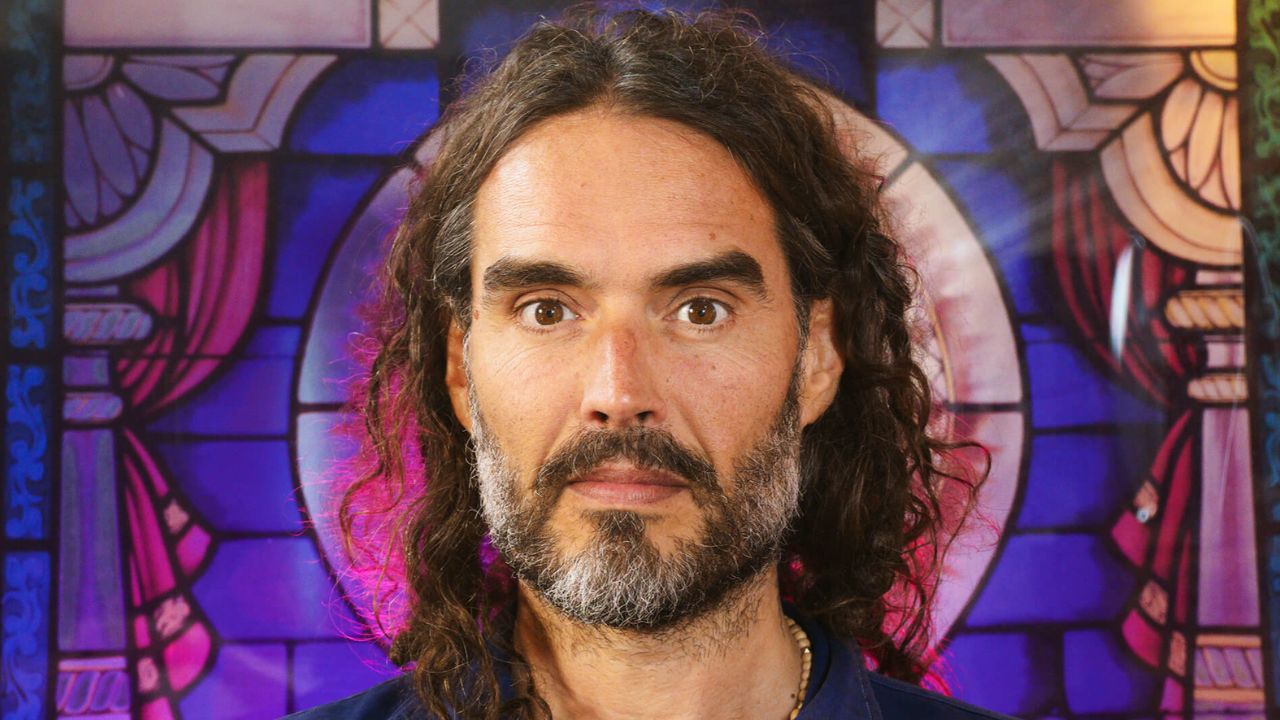
LONDON (Diya TV) — The British government has asked YouTube to remove a video in which Russell Brand’s wife reads a message from prison denying the offenses for which a jury convicted him. YouTube has left the video online and says its teams are reviewing the content.
The Prison Service in England and Wales submitted the removal request, saying officials believed the video could distress Brand’s victims. The Ministry of Justice said it strongly believed YouTube should remove it, but acknowledged that the platform controls the decision under its own rules. YouTube said it had suspended Brand’s channel from monetization in 2023 and that he has not earned advertising revenue there since.
Brand’s wife, Laura Gallacher, read his handwritten statement on the couple’s YouTube program Sunday. Brand said he was “not guilty of the offences I have been jailed for.” A jury at Southwark Crown Court convicted him of one count of rape and three counts of sexual assault involving four women. On Nov. 9, the court sentenced him to 10 years and six months in prison.
The Ministry of Justice is also investigating whether Brand breached prison rules by using a third party to deliver a public message that could cause distress to victims. Officials have said prisoners face restrictions on media contact and on statements that could distress victims. If investigators find a violation, prison authorities could restrict his phone access.
Prime Minister Andy Burnham urged technology companies to remove the video, saying they should “think of the victims.” He called for platforms to show responsibility but stopped short of proposing new legislation. Former safeguarding minister Jess Phillips said existing law may not give the government power to compel a platform to remove material solely because it distresses victims; she raised the possibility of further legislation. The government has said it has no immediate plan to introduce a new law in response to Brand’s video.
Mia Latter, who separately accused Brand of raping her when she was 16, called the video upsetting. Latter did not testify as one of the four complainants in Brand’s criminal trial, and Brand denies her allegation. Her comments underscore the dispute at the center of the government’s request: how platforms should weigh a prisoner’s public denial against the potential impact on people who reported abuse.
The video remains available on YouTube. Meta has disabled Brand’s Facebook and Instagram accounts following his conviction, while his YouTube channel remains active but cannot earn advertising revenue.