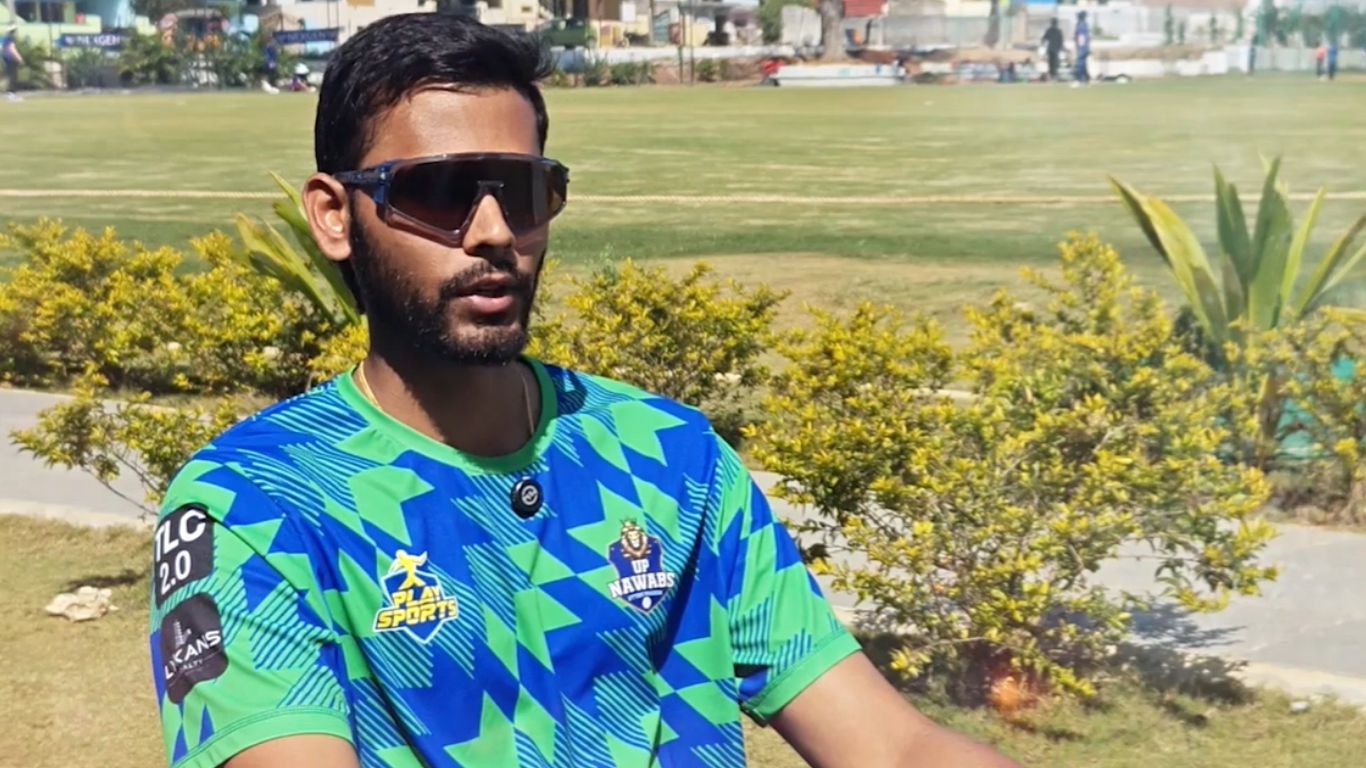
DUBAI, United Arab Emirates (Diya TV) — United States cricketer Bodugum Akhilesh Reddy has received an eight-year ban from all forms of cricket after an International Cricket Council Anti-Corruption Tribunal found him guilty of three breaches of the sport’s Anti-Corruption Code. The punishment relates to corruption during the 2025 Abu Dhabi T10 tournament in the United Arab Emirates. The decision marks one of the most significant anti-corruption actions involving a USA international in recent years.
The ICC announced the ruling on Aug. 3. The governing body acted as the Designated Anti-Corruption Official for the Abu Dhabi T10 tournament after the Emirates Cricket Board appointed it to oversee integrity matters. As a result, the suspension takes effect from Nov. 21, 2025, when officials first placed Reddy under provisional suspension.
The tribunal found that Reddy tried to influence the outcome of matches during the 2025 tournament. It also ruled that he encouraged another player to take part in corrupt activity. In addition, the panel concluded that he obstructed the ICC investigation by deleting messages and other data from his mobile phone.
According to the ICC, Reddy breached Article 2.1.1 of the Anti-Corruption Code by attempting to fix or improperly influence the result, progress, conduct, or another aspect of matches during the Abu Dhabi T10 competition. Furthermore, the tribunal found that he violated Article 2.1.4 after he tried to persuade another participant to engage in corrupt conduct. The panel also ruled that he breached Article 2.4.7 because he deleted information that investigators considered relevant to the case.
The investigation centered on events that took place on the morning of Nov. 19, 2025. The tribunal said Reddy entered a teammate’s hotel room before the opening match involving the Aspin Stallions. During that meeting, he allegedly asked the teammate, identified only as “Player A,” to “give runs” by conceding extra runs while bowling. The tribunal said Reddy requested it on behalf of team management.
However, Player A rejected the proposal. Instead, he reported the incident to the ICC Anti-Corruption Unit. Soon afterward, officials removed the player from the starting lineup before the match. That sequence of events became a key part of the investigation and later formed important evidence during the tribunal proceedings.
Investigators also examined Reddy’s mobile phone activity. During the hearing, Reddy admitted that he manually deleted WhatsApp messages and call records exchanged with Player A on the morning of Nov. 19. He argued that he routinely cleared data from his iPhone as part of his normal “data hygiene” practice.
However, the tribunal rejected that explanation. Instead, the panel concluded that Reddy intentionally removed material that could have helped investigators. Therefore, the tribunal ruled that he deliberately obstructed the anti-corruption investigation by destroying potentially important evidence before the inquiry moved forward.
A three-member tribunal handled the case after extensive proceedings. Michael J. Beloff KC served as chair of the panel. Justice Kate O’Regan and Lloyd Mhishi also took part in reviewing the evidence before reaching the final decision. After considering the facts, the tribunal found Reddy guilty on all three charges brought under the ICC Anti-Corruption Code.
The case highlights the ICC’s continued focus on protecting the integrity of cricket around the world. Match-fixing and other corrupt activities remain major concerns for cricket authorities. Therefore, the ICC continues to investigate suspicious behavior across domestic and international competitions. The governing body has repeatedly urged players to report any corrupt approach immediately and cooperate fully with investigators.
Reddy, 26, made his international debut for the United States against the Cayman Islands in the North America T20 Cup. He has played four Twenty20 Internationals for the USA and has taken one wicket during his international career. However, the eight-year ban now sidelines him from all forms of cricket until the suspension expires.