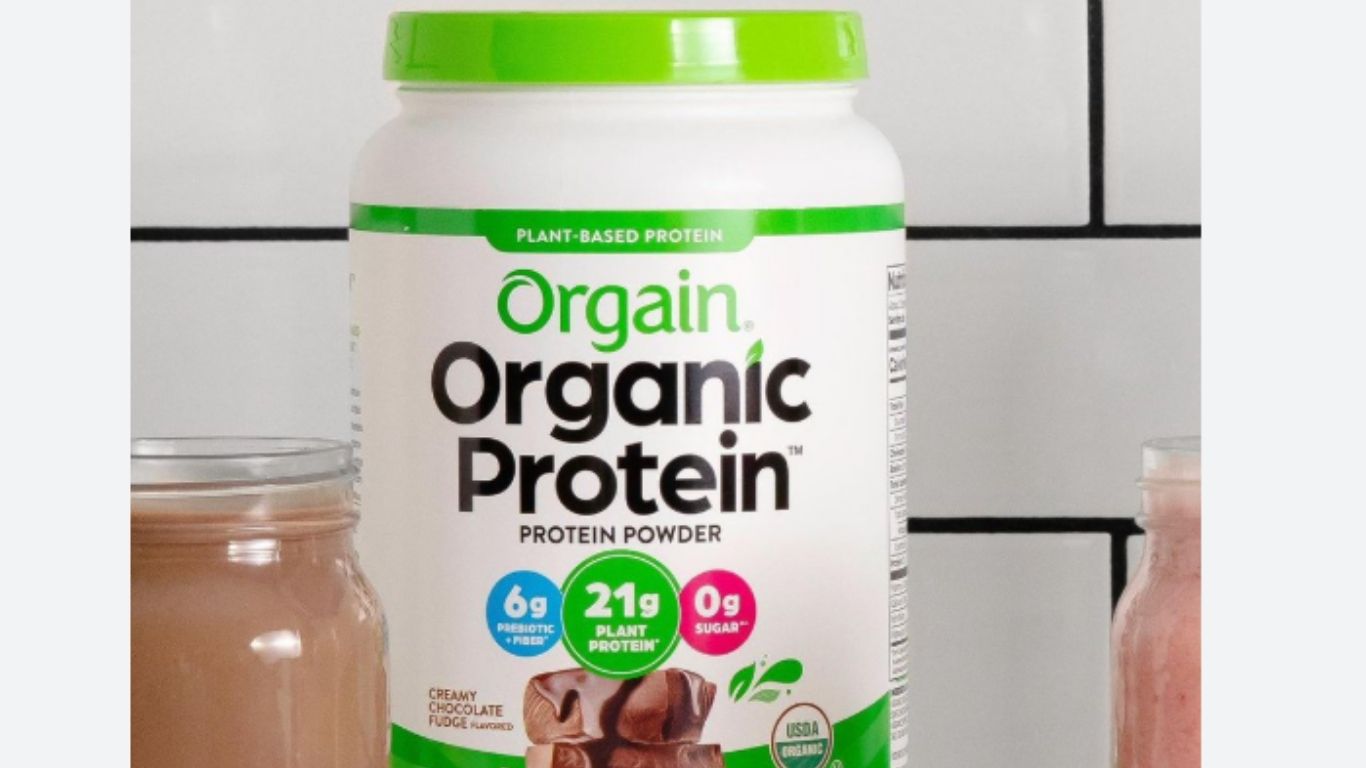
SEATTLE (Diya TV) — Amazon is facing a proposed class-action lawsuit over claims that it sold Orgain Organic Plant-Based Protein Powder containing toxic heavy metals while promoting the products as clean, healthy supplements.
The lawsuit, filed last week in the U.S. District Court for the Western District of Washington, claims Amazon misled shoppers by advertising the protein powder with statements such as “Cleaner Ingredients,” “Quality Ingredients,” “Higher Standards,” “Non-GMO,” “USDA ORGANIC,” and “Feel Good Energy.” According to the complaint, the company failed to tell customers that the products allegedly contained measurable amounts of arsenic, cadmium, and lead.
The legal action argues that Amazon knew, or should have known, about the presence of the heavy metals. It also claims the company violated Washington state consumer protection laws by continuing to market the supplements as safe and high quality.
The lawsuit centers on Orgain Organic Plant-Based Protein Powder in Vanilla Bean and Creamy Chocolate Fudge flavors. The complaint says consumers paid premium prices because they believed the products contained cleaner ingredients and met higher safety standards. Instead, the lawsuit alleges the supplements exposed buyers to toxic metals that may pose health risks.
The case follows another lawsuit against Costco filed by the same law firm, Hagens Berman. That complaint also accuses the retailer of misleading customers about the safety of Orgain protein powders. Both lawsuits rely on findings from the Clean Label Project and Consumer Reports.
According to those investigations, Orgain’s Vanilla Bean protein powder exceeded Consumer Reports’ level of concern for lead. In addition, Hagens Berman said independent laboratory testing also detected heavy metals in the products named in the lawsuits.
However, Orgain has defended its products. The company has said its protein powders remain safe for daily use despite the Consumer Reports findings. It also noted that the products have not been recalled and continue to be sold through major retailers, including Amazon, Costco, Target and Walmart.
The lawsuit does not claim that government regulators ordered the products off store shelves. Instead, it focuses on the marketing and labeling used to sell the supplements. The complaint argues that customers would not have purchased the protein powder, or would have paid less, if they had known about the alleged presence of heavy metals.
The lead plaintiff, Dawn Cada of Florida, claims she spent about $30 for each container and bought 36 containers between 2022 and 2026. According to the lawsuit, she purchased the protein powder for her family, including a child with severe special needs. She says Amazon’s marketing influenced her decision because it suggested the products offered clean ingredients and healthy nutrition.
Heavy metals such as arsenic, cadmium, and lead can enter food products through soil, water, and raw ingredients. Plant-based foods may absorb these substances naturally from the environment. Even so, health experts continue to monitor exposure because repeated intake over time may increase health risks.
The World Health Organization and the U.S. Food and Drug Administration warn that exposure to toxic heavy metals may contribute to serious health problems. Depending on the amount and duration of exposure, these substances may increase the risk of certain cancers. They may also affect the liver, kidneys, and brain. In addition, experts say they can contribute to reproductive problems, cardiovascular disease, and skin disorders.
Still, the lawsuit does not allege that every consumer who used the protein powder became ill. Instead, it argues that shoppers deserved accurate information before deciding whether to buy the products. The complaint seeks damages and other relief for consumers who purchased the protein powder during the proposed class period.
The case adds to growing scrutiny of dietary supplements and food products that advertise natural or organic ingredients.