WASHINGTON (Diya TV) — The United States and Iran have moved closer to ending nearly four months of conflict after both sides signed a memorandum of understanding that could pave the way for a broader peace agreement.
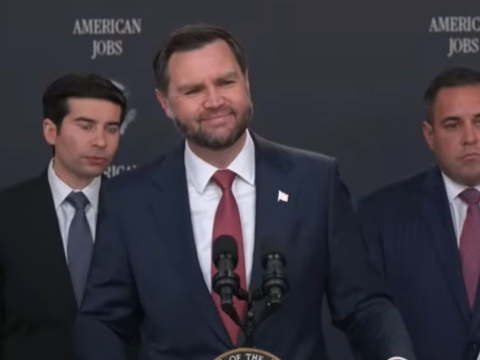
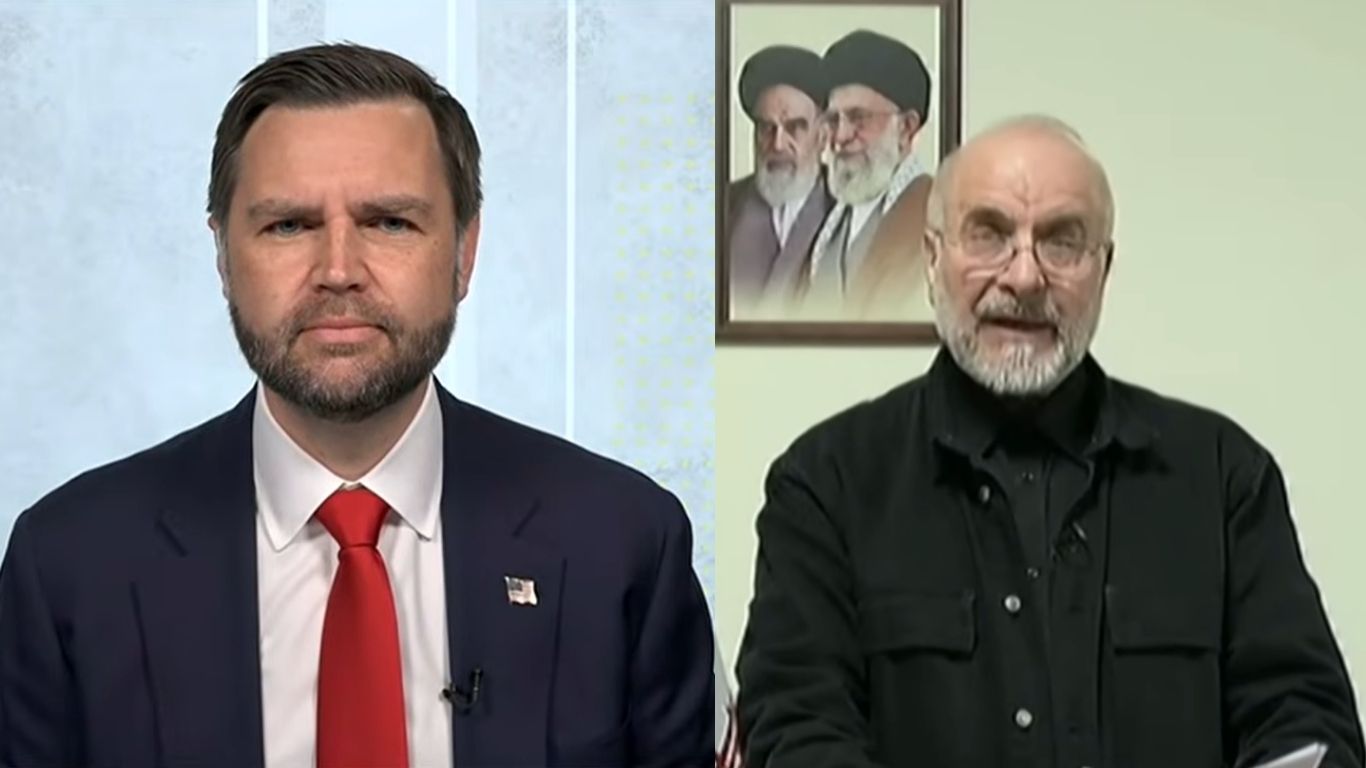
Senior U.S. officials said Monday that President Donald Trump, Vice President JD Vance, and Iranian Parliament Speaker Mohammad Bagher Ghalibaf signed the memorandum. Officials also said a formal signing ceremony is scheduled for Friday. In addition, both countries are expected to release more details of the agreement within the next 48 hours.
The development marks the most significant diplomatic breakthrough since fighting began earlier this year. The conflict started after joint U.S.-Israeli military strikes on Iran in February. Iran later launched attacks against U.S. interests and regional allies, leading to months of tension across the Middle East.
The memorandum creates a framework for de-escalation between Washington and Tehran. However, officials said both sides still need to resolve several important issues before they can reach a final peace agreement. Even so, the deal signals a major step toward reducing violence in the region. U.S. officials said negotiators will continue technical discussions in the coming weeks. Those talks will focus on unresolved matters tied to security, regional stability, and future cooperation.
Meanwhile, Iran’s nuclear program remains a separate issue. Officials said future negotiations will address nuclear concerns through a different process. As a result, the current agreement focuses mainly on ending hostilities and lowering tensions. The memorandum also carries major economic implications. One of the most immediate effects could be the gradual reopening of shipping routes through the Strait of Hormuz. The narrow waterway serves as one of the world’s most important energy corridors. Millions of barrels of oil and other energy products pass through the strait each day.
For months, uncertainty surrounding the conflict disrupted shipping activity in the Gulf region. Consequently, global energy markets faced growing concerns about supply disruptions and higher transportation costs. Now, U.S. officials say conditions are beginning to improve.
“You will see a significant increase in traffic in the Strait of Hormuz, actually starting already, and that will ramp up slowly over time,” a senior U.S. official said during a briefing with reporters.
The official noted that shipping traffic will not return to normal levels immediately. Nevertheless, commercial activity has already started to recover.
“We probably won’t return to normal in two weeks, but we will see a significant increase in straight traffic,” the official said.
As shipping volumes increase, global markets could gain greater confidence in regional stability. Furthermore, increased maritime traffic may help ease concerns among energy producers, exporters, and shipping companies that depend on the route.
Analysts have closely monitored developments in the Strait of Hormuz throughout the conflict. Because the waterway handles a large share of global oil exports, any disruption can affect energy prices worldwide. Therefore, the planned increase in shipping activity could provide welcome relief for international markets.