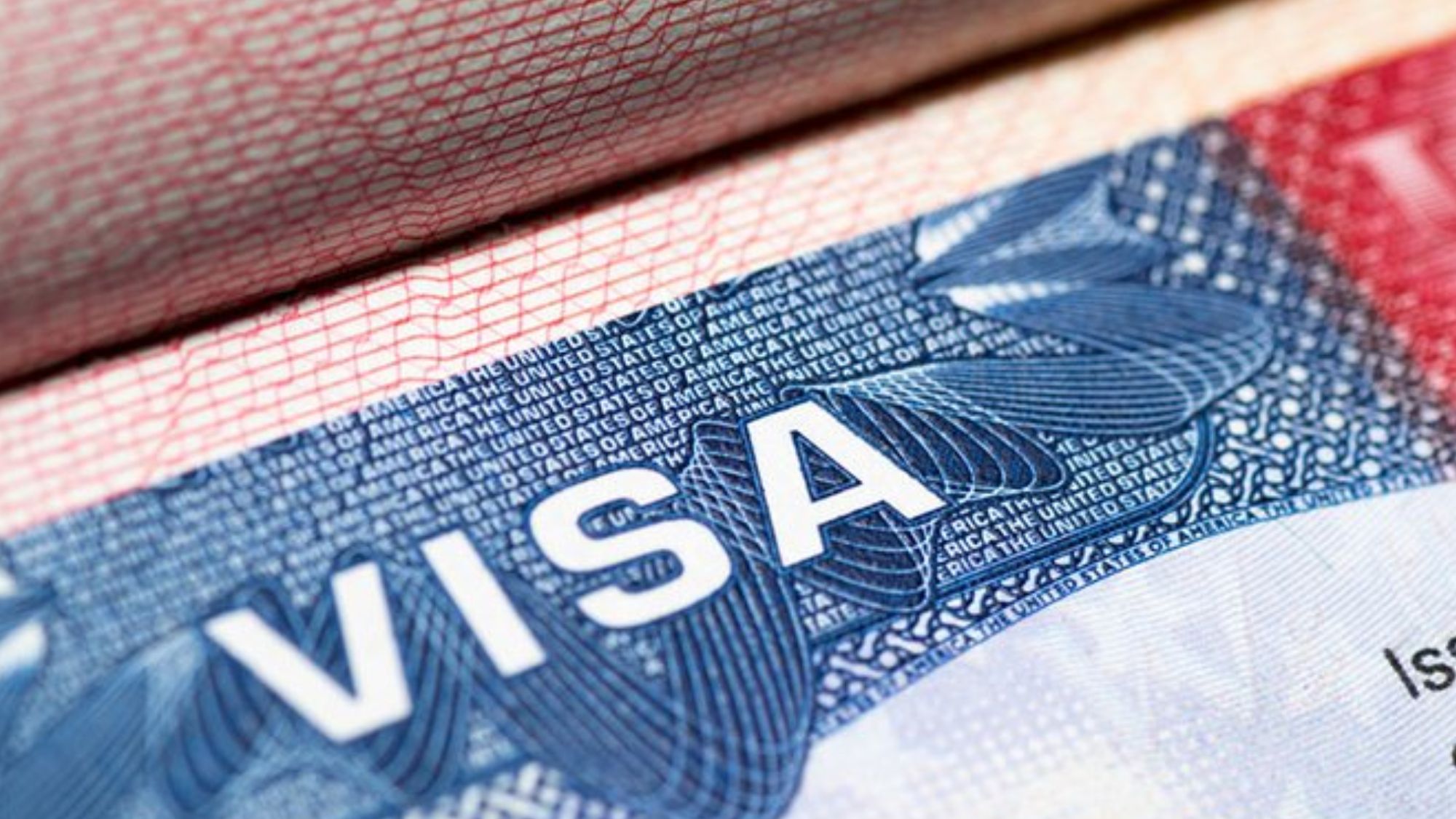
NEW DELHI (Diya TV) — Indian travelers heading to the United States for tourism, study, or work will soon pay significantly more for visas. A new $250 “Visa Integrity Fee” will take effect in 2026, raising the cost of visiting or temporarily staying in the U.S.
The fee is part of the One Big Beautiful Bill Act, signed into law by former President Donald Trump on July 4. The new law introduces sweeping changes to U.S. immigration policy and funding.
The $250 surcharge will apply to most non-immigrant visa categories. These include B-1/B-2 tourist and business visas, F and M student visas, H-1B work visas, and J-1 exchange visas. Only diplomatic visas—classified under A and G—are exempt.
The U.S. Department of Homeland Security will collect the new fee at the time of visa issuance. It is framed as a refundable security deposit. However, travelers must follow all visa conditions to receive the refund. This includes leaving the U.S. within five days of visa expiration or legally adjusting their immigration status.
In addition to the new $250 charge, other fees will remain in place. The $185 Machine-Readable Visa (MRV) application fee stays unchanged. A new $24 fee will also apply for I-94 entry/exit tracking. Travelers using the Electronic System for Travel Authorization (ESTA) or the Electronic Visa Update System (EVUS) will pay $13 and $30 more, respectively.
For Indian nationals, the total cost of a U.S. visa could reach nearly ₹40,000, or about $472. This is more than double the current expense, according to Fragomen, a U.S.-based immigration services firm.
The new visa charges are likely to affect Indian students, tourists, and professionals the most. India is one of the largest sources of international students and skilled workers for the U.S. tech industry. Keshav Singhania, Head of Private Client Services at Singhania & Co, said the added cost could act as a deterrent. “The revised visa processing cost is 2.5 times more than the current fees. It may discourage new applicants from India,” he said.
Many Indian and American technology firms rely on H-1B work visas to bring skilled workers to the U.S. The rising costs may increase the financial burden on companies and individuals. Singhania advised prospective applicants to plan. “The working capital costs associated with the revised visa processing cost should be carefully provided for,” he said. He also suggested scheduling visa appointments before 2026 to avoid the new fees.
The U.S. government says the Visa Integrity Fee aims to improve compliance and reduce visa overstays. The fee is technically refundable, but only under strict conditions. Visa holders must leave the U.S. promptly after their stay or follow legal channels to change their status. While these terms may work for short-term tourists, students and professionals may face long delays before qualifying for a refund. Many stay in the U.S. for years, pursuing degrees or employment.
“The money could be stuck for years,” said Singhania. “But the fee is essentially a security deposit, refundable upon lawful exit from the U.S. in compliance with visa rules.”
The One Big Beautiful Bill includes a wide range of immigration reforms. It allocates $150 billion through 2029 to expand immigration enforcement. The bill increases funding for U.S. Immigration and Customs Enforcement (ICE) and Customs and Border Protection (CBP). It also expands detention centers, speeds up deportations, and restricts access to asylum.
Higher visa fees and a new 1% tax on foreign remittances will help fund these measures, according to the Immigration Advocacy Project. The government estimates that the new fees could generate $64 billion by 2034.
Critics say the changes place an unfair burden on travelers from countries like India. Education groups, tech firms, and the travel industry warn that the added costs may drive students and workers away from the U.S. As 2026 approaches, Indian travelers are urged to act early. Applying before the new rule takes effect could save both time and money.