WASHINGTON (Diya TV) — America’s smallest coin is about to take its final bow. The U.S. Mint will stop producing pennies for everyday use in 2026. The copper-colored one-cent coin will remain legal tender but will no longer be made. The decision comes quietly, without fanfare. Lawmakers did not vote to abolish the penny. Congress did not pass a law to ban it. Instead, the penny will slowly fade as no new coins are produced.
The penny has long been a symbol of thrift. Abraham Lincoln’s face has graced the coin since 1909. But the coin has become expensive to make. Each penny costs about 3.7 cents to produce. In 2024 alone, this cost drained more than $85 million from the U.S. Treasury. Even in a nation that spends billions across federal programs, losing money on small coins has become embarrassing. Economists say the penny fell not because it was useless but because it was inefficient.
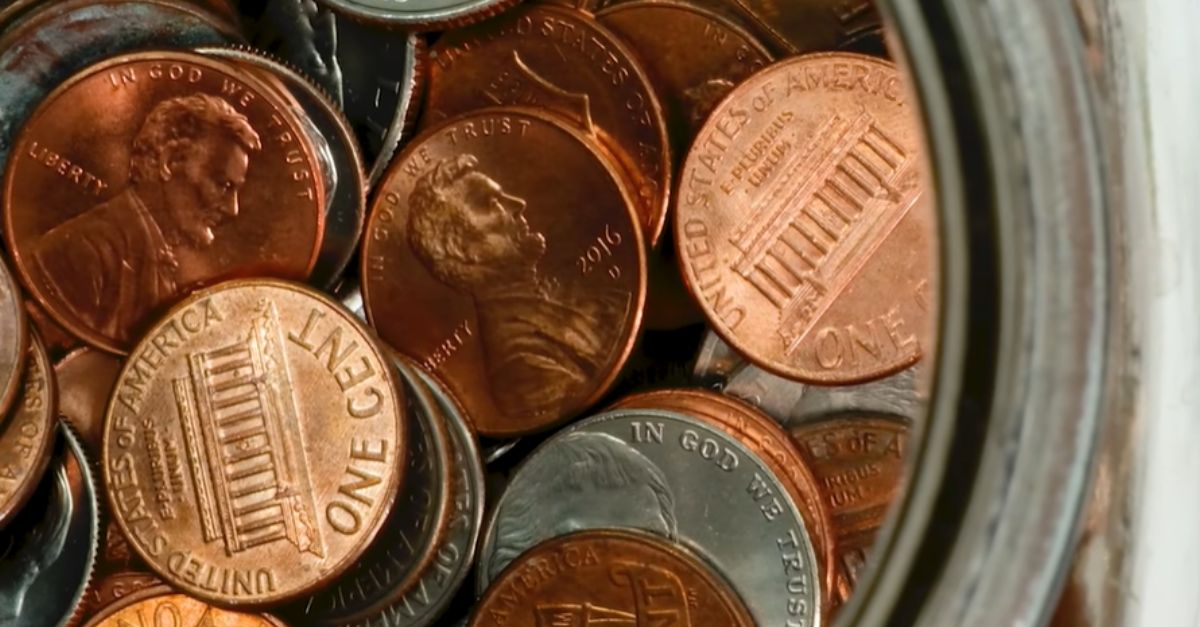
The millions of pennies already in circulation are not going away. Estimates suggest 114 billion pennies remain in homes, parking lots, and coin jars. They are legal money and will continue to be accepted. The most visible change will be how cash transactions are handled. Without new pennies, retailers will round cash totals to the nearest nickel. A $10.02 purchase will become $10.00, and $10.03 will round to $10.05. Digital payments will not change. Computers can still handle cents precisely.
Some companies are already testing rounding strategies. Certain McDonald’s locations plan to round totals up or down. Wendy’s suggests rounding down when pennies are short. Other businesses, including Auntie Anne’s and Cinnabon, recommend rounding in favor of the customer. Some stores, like Sheetz, even offered promotions for people bringing in large amounts of pennies.
Americans have a complicated view of the penny. We save them in jars and call them lucky. We rarely bend over to pick one up. Coins minted before 1982 contain enough copper to be worth more than their face value. Most modern pennies are mostly zinc and unlikely to be profitable.
Collectors continue to hope their jar contains a valuable coin. The rest of the coins may not fund a retirement, but they remain sentimental. The irony is striking. The United States issues the world’s reserve currency. It moves markets with statements and can finance wars with numbers too large to imagine. Yet it loses money on its smallest coin. The penny is leaving because it makes no sense to produce it, not because it lacks meaning.
From 2026 onward, the penny will not vanish. It will stay in drawers, memories, and language. Phrases like “put in your two cents” will outlive the coin itself. Abraham Lincoln will continue staring out from coins that remain in circulation, a silent witness to the quietest retreat in U.S. monetary history.