SAN FRANCISCO, Calif. (Diy TV) — The United States, India and eight other countries have signed a new agreement to strengthen economic security, protect critical technologies and secure global supply chains linked to super intelligence. The agreement marks a major step toward closer international cooperation as countries seek to protect the infrastructure that supports advanced artificial intelligence and emerging technologies.
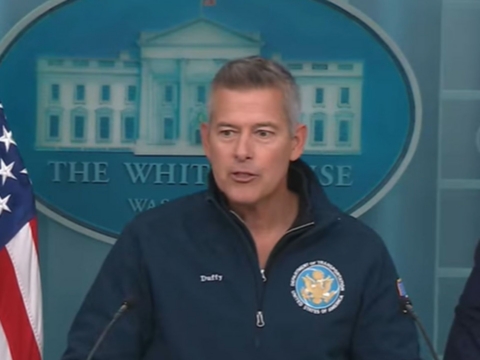
The 10 participating nations signed the San Francisco Declaration on the Secure Foundations of Enduring Prosperity on Nov. 15. The signing took place during the Pax Silica Founders Retreat, which Under Secretary of State for Economic Affairs Jacob Helberg convened.
The agreement brings together the United States, Australia, India, Israel, Japan, South Korea, Qatar, Singapore, the United Arab Emirates and the United Kingdom. Together, these countries aim to build stronger technology partnerships and reduce risks to the supply chains that support future technological growth.
Focus on Economic and National Security
The declaration highlights the growing connection between economic security and national security. It states that countries cannot fully protect their national interests without securing the technologies, infrastructure, and supply chains that support their economies.
Moreover, the participating nations recognize that disruptions to essential systems can affect national security, economic stability, and public services. Therefore, they want to strengthen cooperation and reduce excessive dependence on individual suppliers or countries.
The agreement also emphasizes the importance of trusted technology partnerships. By diversifying supply chains and developing stronger domestic and international capabilities, the participants hope to reduce vulnerabilities and improve their ability to respond to future disruptions.
In addition, the declaration calls for coordinated action against economic pressure, supply chain disruptions, and unfair market practices. It also stresses the need to protect private investment and maintain fair conditions for innovation and economic growth.
Protecting Sensitive Technologies and Critical Infrastructure
A central part of the San Francisco Declaration involves defining the technologies and infrastructure that countries must protect.
The agreement identifies sensitive technologies as goods, software, materials, knowledge, components,s and production inputs that support superintelligence supply chains. These resources could provide significant military, intelligence, or economic advantages if hostile actors steal or misuse them.
The declaration also highlights the risks of unauthorized technology transfers. Such transfers could threaten national security, weaken economic independence, or give hostile groups greater influence over important industries.
Furthermore, the agreement identifies critical infrastructure as another major security priority. This includes physical and digital systems that support technology production, transportation, communication, and essential services.
Ports, shipping terminals, transport networks, logistics systems, energy facilities and information technology infrastructure all fall within this category. Digital platforms that help manage these systems also require protection.
The participating countries recognize that attacks, disruptions,s or unauthorized access to these systems could cause serious economic damage. As a result, they want to strengthen safeguards and improve cooperation to protect essential infrastructure.
Beyond establishing shared principles, the declaration outlines plans to create working groups that will turn the agreement into practical action.
The five proposed groups will focus on pro-innovation policy frameworks, the adoption of super intelligence across key sectors, supply chain cooperation across the super intelligence technology stack, safe harbors and supply chain security hubs, and super intelligence security and resilience.
These groups will help participating nations coordinate policies, exchange knowledge, and identify areas where they can work together.
Additionally, the groups aim to support responsible technological development while protecting the systems and resources that make innovation possible. Their work will help establish a common approach to emerging technology challenges.
The declaration does not present these working groups as separate national efforts. Instead, it places cooperation at the center of the initiative and encourages participants to develop shared solutions.
The San Francisco Declaration marks a new stage for Pax Silica, which aims to strengthen cooperation among countries on technology, economic security, and resilient supply chains.
The agreement builds on the coalition’s earlier commitment to protect sensitive technologies and critical infrastructure. It also provides a common framework for countries to identify risks and coordinate their responses.
For India, participation offers an opportunity to work more closely with major technology partners on supply chain security, innovation, and emerging technologies. Similarly, other participants can use the partnership to strengthen technological cooperation and reduce vulnerabilities.
Ultimately, the declaration reflects a shared understanding that no country can independently secure all the systems and resources needed for the superintelligence era. The participating nations believe that stronger partnerships, diversified supply chains, and better infrastructure protection will support long-term economic growth.
By agreeing on common priorities and planning joint action, the 10 countries aim to create a more secure foundation for technological progress, investment, and shared prosperity.