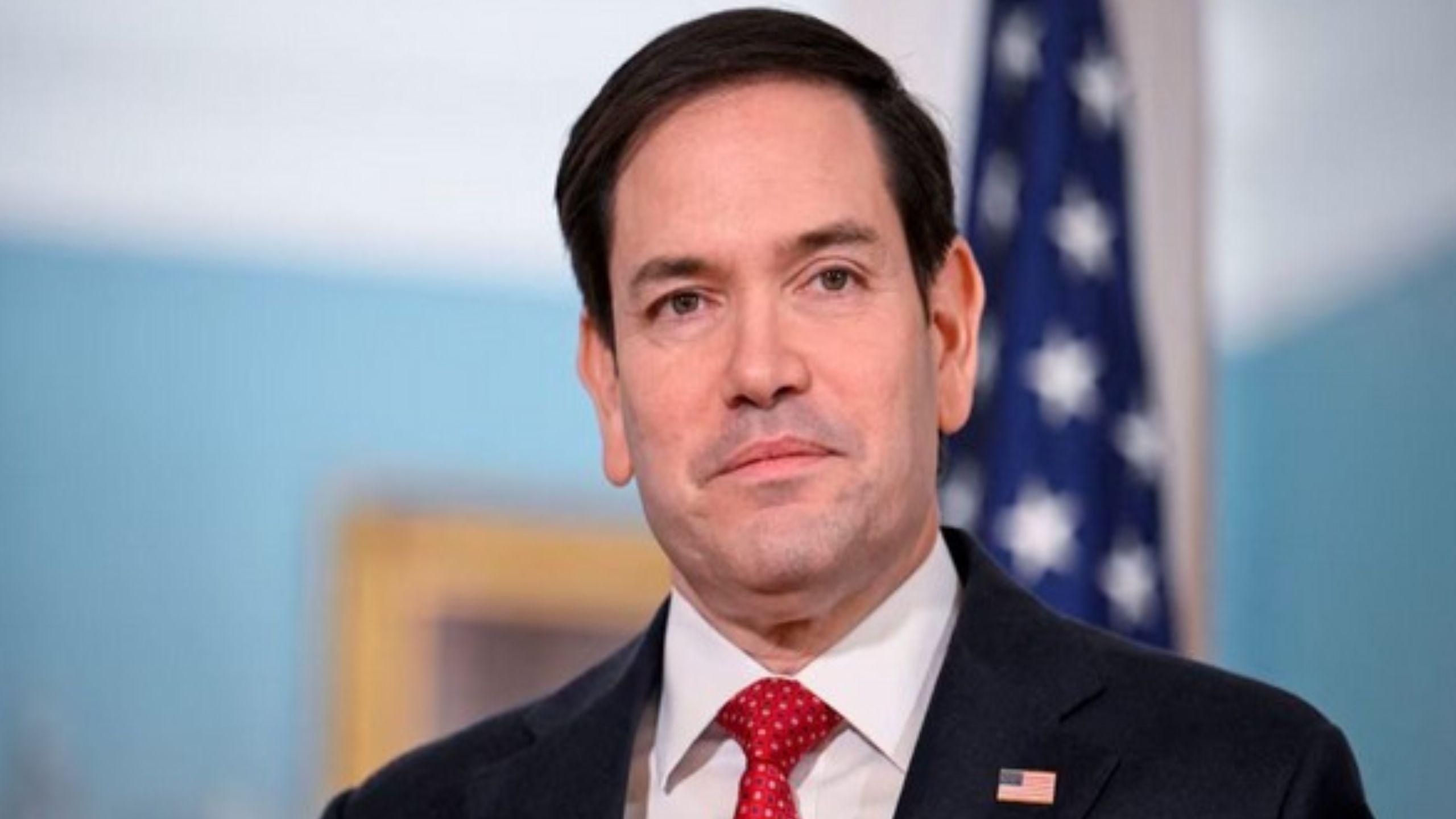
WASHINGTON (Diya TV) — U.S. Secretary of State Marco Rubio has designated the Balochistan Liberation Army and its front group, the Majeed Brigade, as foreign terrorist organizations. Rubio announced the decision on Aug. 11, calling it a step to strengthen America’s fight against terrorism. The designation comes under the Trump administration’s counterterrorism policy and adds new restrictions on the groups’ operations.
The Department of State’s designation means it is now illegal for anyone in the United States to provide material or financial support to the Balochistan Liberation Army, also known as BLA, or the Majeed Brigade, also called TMB. Their assets in the U.S. are frozen, and members are banned from traveling to the country.
The move also lists the Majeed Brigade as an alias to the BLA’s earlier “Specially Designated Global Terrorist” designation, or SDGT. The Treasury Department’s Office of Foreign Assets Control issues the SDGT label, which blocks assets and bars financial transactions.
Rubio said the action shows the administration’s commitment to stopping terrorist threats. “Terrorist designations play a critical role in our fight against this scourge and are an effective way to curtail support for terrorist activities,” he said.
The BLA was first designated as an SDGT in 2019. Since then, it has claimed responsibility for several deadly attacks, many carried out by the Majeed Brigade. Rubio highlighted one of the most recent and severe incidents — the March hijacking of the Jaffar Express train traveling from Quetta to Peshawar.
During the attack, 31 civilians and security personnel were killed. More than 300 passengers were taken hostage. The incident drew international condemnation and increased calls for stronger action against the group.
The announcement came as Pakistan’s military chief, Gen. Asim Munir, was visiting the United States. Public schedules for the Departments of Defense and State, and the White House, showed no official meetings for Munir in Washington from Aug. 8 to Aug. 14.
His trip appeared linked to a farewell event for U.S. Gen. Michael Kurilla, who was leaving his post as commander of U.S. Central Command (CENTCOM). CENTCOM covers operations in Pakistan, the Middle East, and Central Asia. The Pentagon said the farewell took place in Tampa, Florida, and also welcomed Kurilla’s successor, Adm. Brad Cooper.
Balochistan, Pakistan’s largest province by area, has faced decades of unrest. Local activists say the region suffers from human rights abuses, including enforced disappearances, extrajudicial killings, and political repression.
Reports from local media claim many Baloch leaders are in prison without being convicted of crimes or given fair trials. Courts have repeatedly denied bail, while preventive detention laws are used to keep political figures behind bars. In several cases, families and lawyers have been blocked from seeing detainees despite court orders.
Baloch groups say their struggle is for basic human rights, not terrorism. However, Pakistan’s government considers the BLA and related organizations to be armed separatist groups responsible for deadly attacks on civilians and security forces.
By placing the BLA and the Majeed Brigade on the Foreign Terrorist Organization list, the United States aims to choke off any support networks they might have overseas. The designations make it harder for the groups to move money, recruit members, or maintain international connections.
Analysts say the move also sends a political message. It signals U.S. support for Pakistan’s fight against armed separatist violence while highlighting Washington’s focus on counterterrorism in South Asia.
The dual FTO and SDGT designations create a strong legal framework for prosecution. Anyone in the United States caught providing funds, weapons, or other forms of support to the groups could face serious criminal charges.
Balochistan shares borders with Iran and Afghanistan, making it strategically important. The region holds vast mineral resources but remains economically underdeveloped. This has fueled long-standing tensions between the local population and Pakistan’s central government.
While human rights concerns remain high, the U.S. decision reflects a policy of targeting armed groups accused of violent attacks, regardless of their political goals. The move adds pressure on Baloch militant networks and complicates their operations beyond Pakistan’s borders.
Rubio’s announcement reinforces Washington’s position that terrorism, in any form, will face firm opposition. Whether the decision will lead to reduced violence in the region remains to be seen, but it marks another chapter in the complex and often tense relationship between the U.S., Pakistan, and Baloch nationalist groups.