WASHINGTON (Diya TV) — The Trump administration has barred a former senior European Union official and four others from entering the United States, accusing them of leading efforts to censor American social media platforms. The move has sparked sharp criticism from the European Union and raised fresh tensions over free speech, digital regulation, and transatlantic relations.
U.S. Secretary of State Marco Rubio announced the decision in a social media post on Tuesday. He said European officials had spent years pressuring American technology companies to suppress views they oppose.
“For far too long, ideologues in Europe have led organized efforts to coerce American platforms to punish American viewpoints,” Rubio wrote. He added that the Trump administration “will no longer tolerate these egregious acts of extraterritorial censorship.”
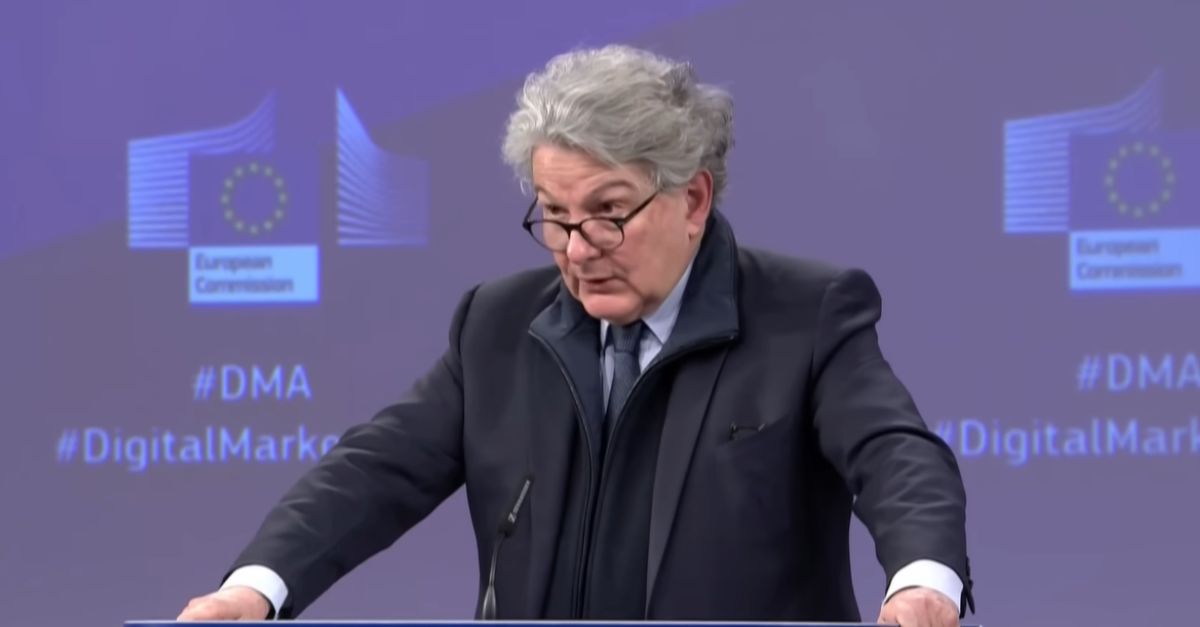
A senior State Department official later confirmed that those barred include Thierry Breton, who served as the European Commissioner for Internal Markets and Digital Services until 2024.
The State Department official described Breton as a key architect of the EU’s Digital Services Act, or DSA. The law sets strict content moderation rules for large online platforms operating in the European Union. It aims to curb illegal content and limit the spread of disinformation.
Breton drew strong attention in August 2024 while still in office. He published a public letter reminding Elon Musk of X’s legal obligations under the DSA. The letter came just days before Musk planned a livestream interview with then-President Donald Trump on the platform.
In the letter, Breton warned that X faced ongoing “formal proceedings” over alleged failures to address illegal content and disinformation. U.S. officials now say Breton used the law to threaten Musk and interfere with political speech. The State Department said this action played a central role in the decision to impose travel restrictions on Breton.
The Trump administration has framed the ban as a defense of free speech and national sovereignty. Officials argue that European digital rules have crossed borders and pressured U.S.-based companies to police American political debate.
Rubio said the United States would push back against any foreign government that tries to control speech beyond its jurisdiction. He stressed that American platforms should not face threats for hosting lawful content protected under U.S. law. The administration has not named the four other sanctioned individuals. It said they were involved in similar efforts targeting U.S. technology firms.
The European Commission condemned the U.S. decision on Wednesday. It rejected claims that the Digital Services Act amounts to censorship.
“Freedom of expression is a fundamental right in Europe and a shared core value with the United States across the democratic world,” the commission said in a statement.
The commission also defended its digital rules. It said the DSA creates a safe, fair, and level playing field for all companies. It added that the law applies equally and without discrimination. EU officials said they have requested clarifications from U.S. authorities. The commission warned it would respond “decisively” if needed.
The dispute comes weeks after the European Commission fined X 120 million euros, or about $141 million, in early December. The fine focused on the platform’s use of the blue-check verification mark. Regulators said the feature misled users and violated DSA rules.
The penalty marked the first major fine under the Digital Services Act. It also intensified criticism from U.S. conservatives, who view the law as a tool to silence dissenting views online. X has disputed the findings and accused EU regulators of political bias. The company has not commented on the U.S. travel ban against Breton.
The clash highlights a widening gap between the United States and the European Union over tech regulation and free speech. The EU favors stronger oversight of online platforms. U.S. leaders, especially under Trump, argue for minimal government interference in speech.