WASHINGTON (Diya TV) — President Donald Trump has signed a sweeping executive order designed to strengthen U.S. customs enforcement, tighten import regulations, and combat tariff evasion, forced-labor imports, and supply-chain fraud.
The new order directs federal agencies to overhaul customs procedures and increase oversight of importers. The administration says the measures will protect American businesses, improve national security, and ensure fair trade practices. The executive order marks one of the administration’s most significant trade enforcement actions. Officials say it targets companies and foreign actors that exploit weaknesses in the U.S. import system.
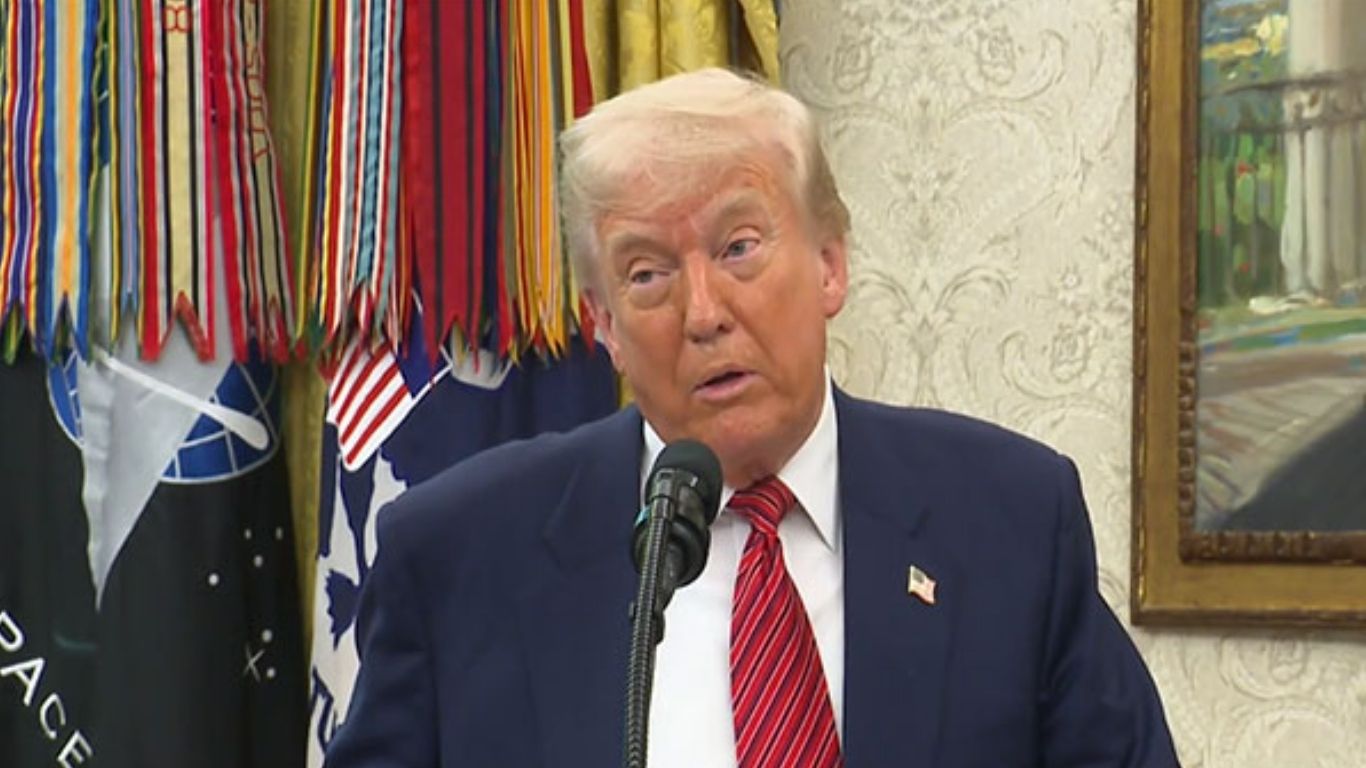
The executive order states that customs enforcement plays a critical role in protecting the nation’s economy, foreign policy interests and security. According to the White House, outdated procedures and weak enforcement mechanisms have allowed some importers to avoid duties, hide ownership information, and violate U.S. trade laws. Speaking before the signing ceremony, U.S. Customs and Border Protection Commissioner Rodney Scott said the administration plans to apply the same enforcement principles used at the border to international trade.
“This is literally taking the same principles and applying them to trade to protect American industry,” Scott said.
Scott added that some countries and businesses have manipulated import and export rules to gain unfair advantages over American companies.
The order requires the Department of Homeland Security to revise importer eligibility rules within 180 days. Under the new framework, importers of record will face stricter requirements. Agencies will require higher bond coverage and more detailed ownership disclosures. Importers must also provide additional information about import volumes, business relationships, and domestic assets. The administration believes these changes will improve transparency and make it harder for companies to evade customs duties. Officials say stronger disclosure requirements will help federal agencies identify bad actors and prevent customs fraud before goods enter the country.
The executive order places special focus on foreign importers. Administration officials argue that enforcement efforts often become more difficult when importers operate outside the United States. In many cases, assets, operations, and company executives remain beyond the reach of U.S. authorities. To address those concerns, the order directs agencies to restrict foreign importers from using certain informal entry procedures. It also establishes additional conditions for formal entries into the United States. The White House says these measures will close enforcement gaps and improve accountability throughout the import process.
The executive order introduces a new “good standing” requirement for importers. Companies that illegally import fentanyl, precursor chemicals, or other prohibited goods could lose their ability to import products into the United States. Officials say the rule aims to strengthen supply-chain security and prevent dangerous products from entering the country. The administration has repeatedly linked trade enforcement efforts to broader national security and public safety goals, particularly in the fight against fentanyl trafficking.
White House trade adviser Peter Navarro said the executive order could generate significant revenue while reducing customs fraud. Navarro estimated that the initiative could bring in between $20 billion and $30 billion annually through improved enforcement and compliance. He said the administration plans to target tariff evasion, counterfeit products, and other illegal trade practices that harm American businesses. Supporters of the order argue that stronger customs enforcement will create a more level playing field for domestic manufacturers and workers.
The executive order also directs federal agencies to increase enforcement against imports connected to forced labor, illegal transshipment, undervaluation, and product misclassification. Importers will face expanded disclosure requirements related to supply chains, manufacturing practices, and compliance with sanctions and trade laws. In addition, foreign exporters will need to provide documentation to their own customs authorities before shipping goods to the United States. Agencies must implement that requirement within 90 days. Administration officials say these measures will improve transparency and help authorities verify the origin and legality of imported products.