WASHINGTON. (Diya TV) — Two Indian American lawmakers are leading a push for answers from federal immigration officials after reports surfaced that U.S. Citizenship and Immigration Services has paused decisions on many immigration applications while implementing new security screening measures.
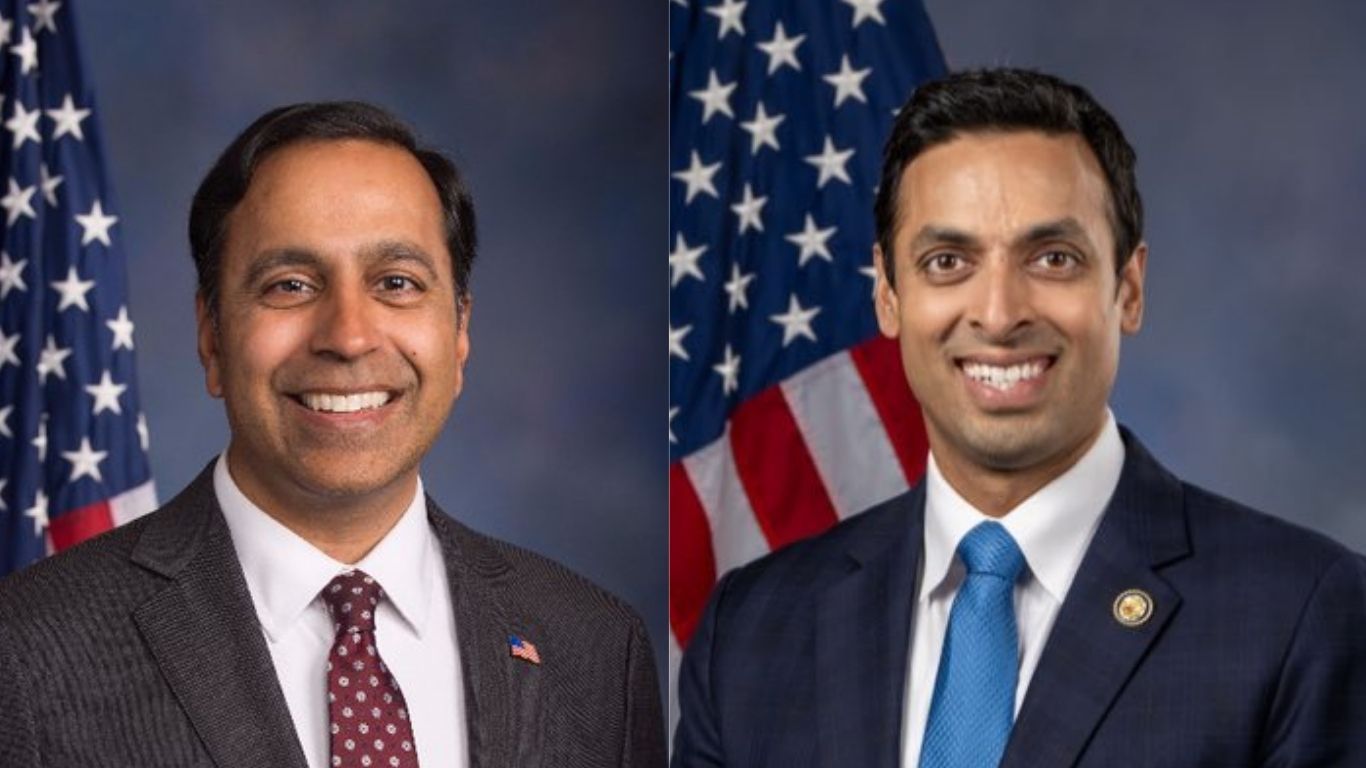
Reps. Raja Krishnamoorthi of Illinois and Suhas Subramanyam of Virginia joined 21 House Democrats in a letter sent June 4 to USCIS Director Joseph Edlow and FBI Director Kash Patel. The lawmakers expressed concern that the reported policy could affect millions of pending immigration cases and worsen an already historic immigration backlog. The lawmakers said strong security checks remain important. However, they warned that broad adjudication holds could leave applicants waiting indefinitely for decisions that affect their jobs, travel plans, and legal status in the United States.
In their letter, the lawmakers asked USCIS and the FBI to explain the scope of the reported adjudication holds. They requested details on how many cases may be affected, which immigration benefit categories are involved, and how long the delays could last. The lawmakers also asked whether USCIS and the FBI have enough resources to conduct expanded background checks without creating new bottlenecks.
“Security vetting is essential, but it must be narrowly tailored, lawful, and consistent with USCIS’s obligation to adjudicate cases on an individualized basis,” the lawmakers wrote.
The group also wants to know whether applicants receive notice when officials pause their cases. In addition, they asked how USCIS plans to meet processing requirements and whether applicants who pay premium processing fees will receive refunds if guaranteed timelines are missed.
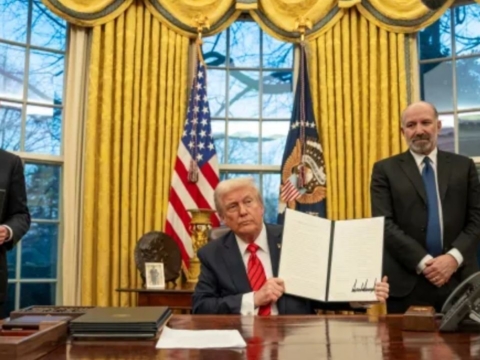
The reported delays stem from a February executive order signed by President Donald Trump. The order directed the Department of Homeland Security to expand access to federal criminal history records as part of immigration screening efforts. According to reports, USCIS introduced enhanced security checks on April 27 and April 28. Internal guidance reportedly instructed immigration officers to pause approvals until the agency fully integrated expanded criminal history information from the FBI’s Next Generation Identification system into fingerprint-based background checks.
The changes also reportedly require some applicants with pending cases to resubmit fingerprints. USCIS has said any delays related to the new checks should be temporary. However, critics argue that even short pauses can create major disruptions when millions of cases already await review.
The concerns come as the USCIS backlog continues to grow. Data from the American Immigration Council shows that pending immigration cases increased from about 3.5 million in fiscal year 2016 to 11.6 million in fiscal year 2025. That figure represents more than a threefold increase over the past decade.
Lawmakers fear that adding new screening requirements could further slow processing times for green cards, work permits, naturalization applications and other immigration benefits. Immigration advocates say long delays can have serious consequences. Many applicants depend on timely decisions to maintain employment authorization, reunite with family members, or travel internationally.
The issue has drawn particular attention from Indian immigrant communities. Indians account for a large share of H-1B visa approvals and face some of the longest employment-based green card wait times in the country. Advocacy groups say additional delays could create uncertainty for thousands of skilled workers and their families.