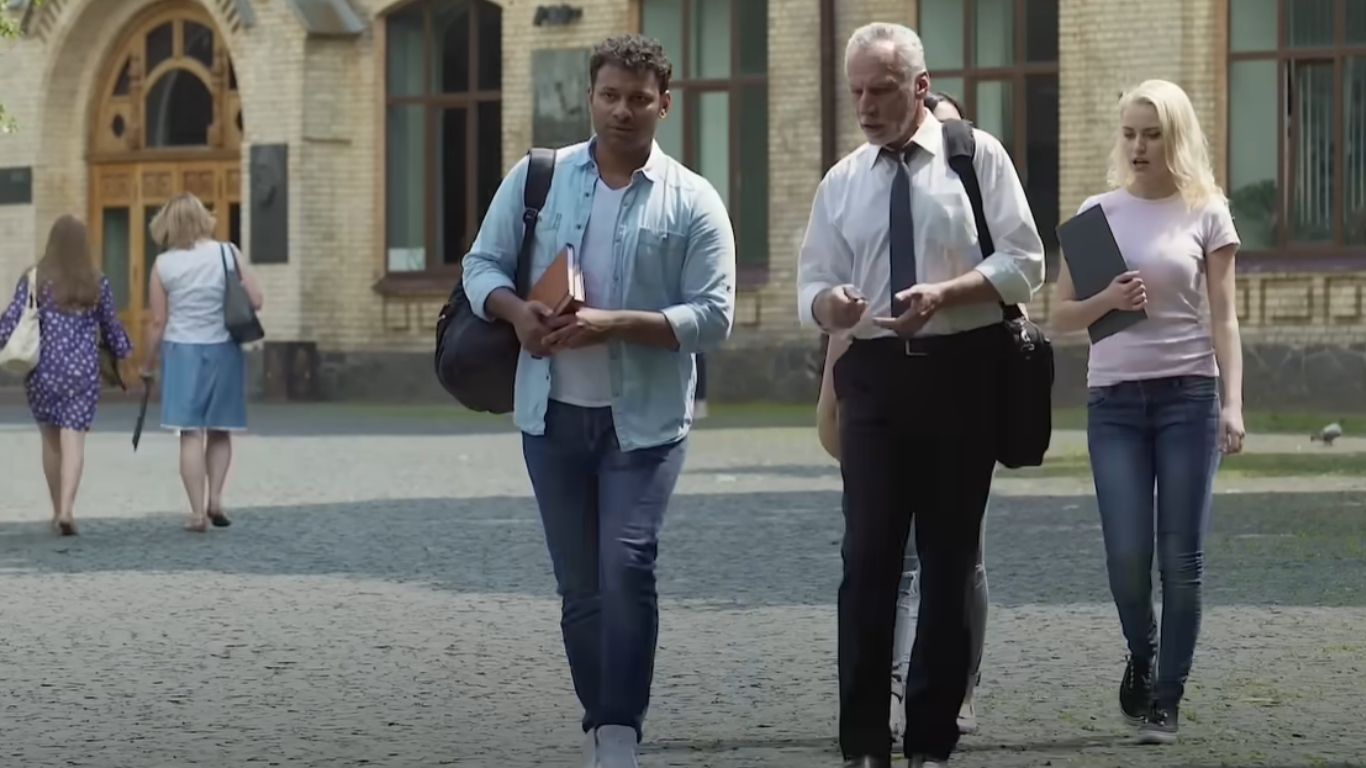
WASHINGTON (Diya TV)— New foreign undergraduate student enrollment at U.S. colleges dropped by an average of 20% this spring compared with the same period last year, according to a new report from international education groups. The sharp decline raises concerns about university finances, global talent pipelines, and the future of international education in the United States.
The report, released Monday by the international education organization NAFSA and partner groups, surveyed 149 U.S. colleges and universities. About 62% of the schools reported lower international enrollment in both undergraduate and graduate programs during the spring 2025 semester.
International students play a major role in higher education across the United States. Many pay full tuition, which helps colleges offset rising costs and declining domestic enrollment. A steep drop in foreign student enrollment could create major financial challenges for schools that depend heavily on international tuition revenue.
Education leaders say the enrollment decline reflects growing concern among international students about U.S. immigration policies and visa restrictions under President Donald Trump’s administration. The report found that 84% of surveyed schools blamed “restrictive government policies” for the decrease in foreign student enrollment. More than one-third of schools said the decline could force budget cuts if the trend continues into the fall semester.
Spring enrollment numbers often predict what colleges can expect during the larger fall intake period. If international enrollment falls by a similar rate in the fall, universities could face serious revenue losses. Higher education experts say colleges already face pressure from declining birth rates and fewer American high school graduates. International students have helped fill that gap for years.
The report linked the decline to aggressive immigration enforcement actions that began last spring. Federal immigration officers arrested and detained dozens of international students, sometimes on college campuses or inside dormitories. Authorities also revoked the legal status of thousands of foreign students.
Many students later regained their status after courts challenged the government’s actions. Still, education groups said the damage to America’s reputation had already spread. Last fall, overall international student enrollment in the United States fell by 1.4% from the previous year. However, many of those students had already started their applications before the administration expanded its immigration crackdown.
In March, immigration officials increased enforcement actions involving foreign students. In May, the U.S. Department of State paused student visa interviews during a key application period while officials introduced stricter screening policies. The report also noted that student visa issuances dropped by 36% last summer. That decline created additional barriers for students hoping to study in the United States.
The United States remains one of the world’s top destinations for international students. Still, other countries now compete more aggressively for global talent.
The NAFSA survey included responses from colleges in Canada, Australia, and the United Kingdom. Schools in those countries also reported declines in international enrollment tied to stricter immigration policies. At the same time, colleges in Europe and Asia reported gains in international student numbers. Analysts say students increasingly look for countries with stable visa rules and welcoming immigration systems.
Education experts warn that the United States could lose long-term economic and academic advantages if the trend continues. International students contribute billions of dollars each year to the U.S. economy through tuition, housing, and consumer spending. Many also remain in the country after graduation and work in industries facing labor shortages.
College leaders now fear that uncertainty around visas and immigration enforcement may discourage future applicants.