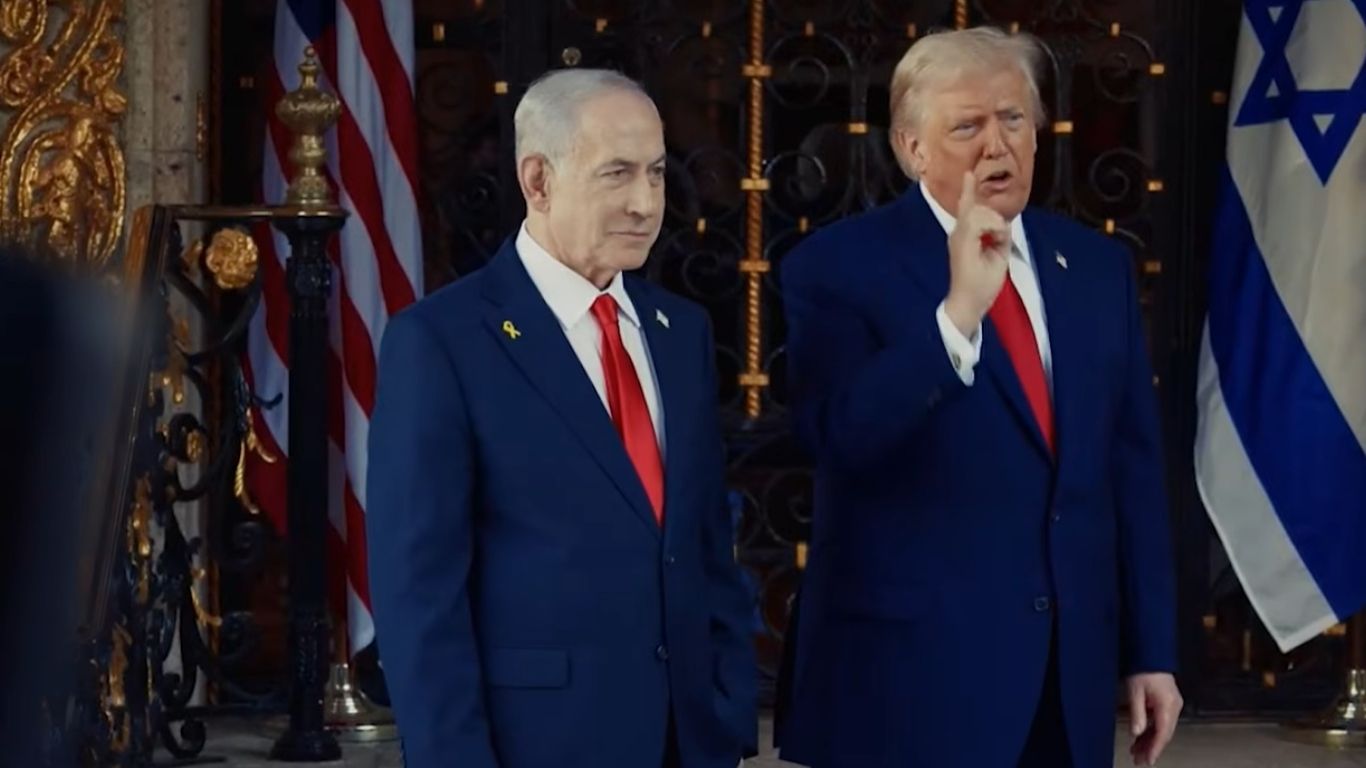
WASHINGTON (Diya TV) — President Donald Trump confirmed reports of a tense phone call with Israeli Prime Minister Benjamin Netanyahu, revealing growing frustration over Israel’s military operations in Lebanon and highlighting new strains in a key U.S.-Israel relationship.
Speaking with New York Post columnist Miranda Devine, Trump acknowledged that he urged Netanyahu to reduce tensions and help prevent a wider regional conflict. His remarks came after a report from Axios claimed the president sharply criticized the Israeli leader during a private conversation.
The dispute unfolded as fighting between Israel and Hezbollah continued to destabilize the Middle East and complicate diplomatic efforts involving Iran.
Trump did not deny that the call became heated. However, he stopped short of repeating language attributed to him in the Axios report.
“I was a little bit perturbed at his constantly fighting with Lebanon. At some point, I said, ‘Bibi, we gotta stop this. We gotta stop it,” Trump said during the interview.
According to Axios, Trump told Netanyahu, “You’re f—— crazy. You’d be in prison if it weren’t for me.” While Trump did not confirm those exact words, he acknowledged that the two leaders disagreed over Israel’s military strategy. The exchange marked one of the clearest public signs of tension between Trump and Netanyahu, who have long maintained a close political relationship.
The disagreement came as Israel continued military operations against Hezbollah, the Iran-backed militant group based in Lebanon. U.S. officials have worked to prevent the conflict from expanding into a broader regional war. The ongoing violence has also affected diplomatic efforts between Washington and Tehran. Iran recently suspended communications with U.S. negotiators and blamed Israeli military actions in Lebanon for disrupting discussions. The pause in talks created new challenges for the Trump administration as it seeks to maintain stability across the region.
Following the dispute between Trump and Netanyahu, the United States helped broker a partial ceasefire between Israel and Hezbollah. The agreement aimed to reduce hostilities and create space for diplomatic negotiations. However, the ceasefire quickly faced pressure from both sides. Israeli officials accused Hezbollah of violating the truce shortly after it took effect. In response, Israel signaled that additional military action could follow.
On Wednesday, Israeli authorities warned residents in southern Lebanon to evacuate certain areas. Officials said the Israel Defense Forces were preparing new operations in response to what they described as Hezbollah aggression. The renewed warnings raised concerns that the ceasefire could collapse and lead to further escalation.
Tensions across the Middle East intensified further after Kuwait condemned a series of Iranian missile and drone attacks that reportedly struck civilian infrastructure. In a statement released by the Kuwaiti Foreign Ministry, officials strongly criticized what they described as ongoing attacks targeting civilian and strategic facilities.
The ministry said the latest strikes hit Kuwait International Airport and caused casualties and property damage. According to Kuwaiti authorities, one person died, and several others suffered injuries. Officials also reported damage to vital facilities and diplomatic missions. A spokesperson for Kuwait’s Ministry of Defense said a building at the airport sustained damage during the attacks. The incidents added to growing concerns about regional security and the risk of a wider conflict involving multiple countries.