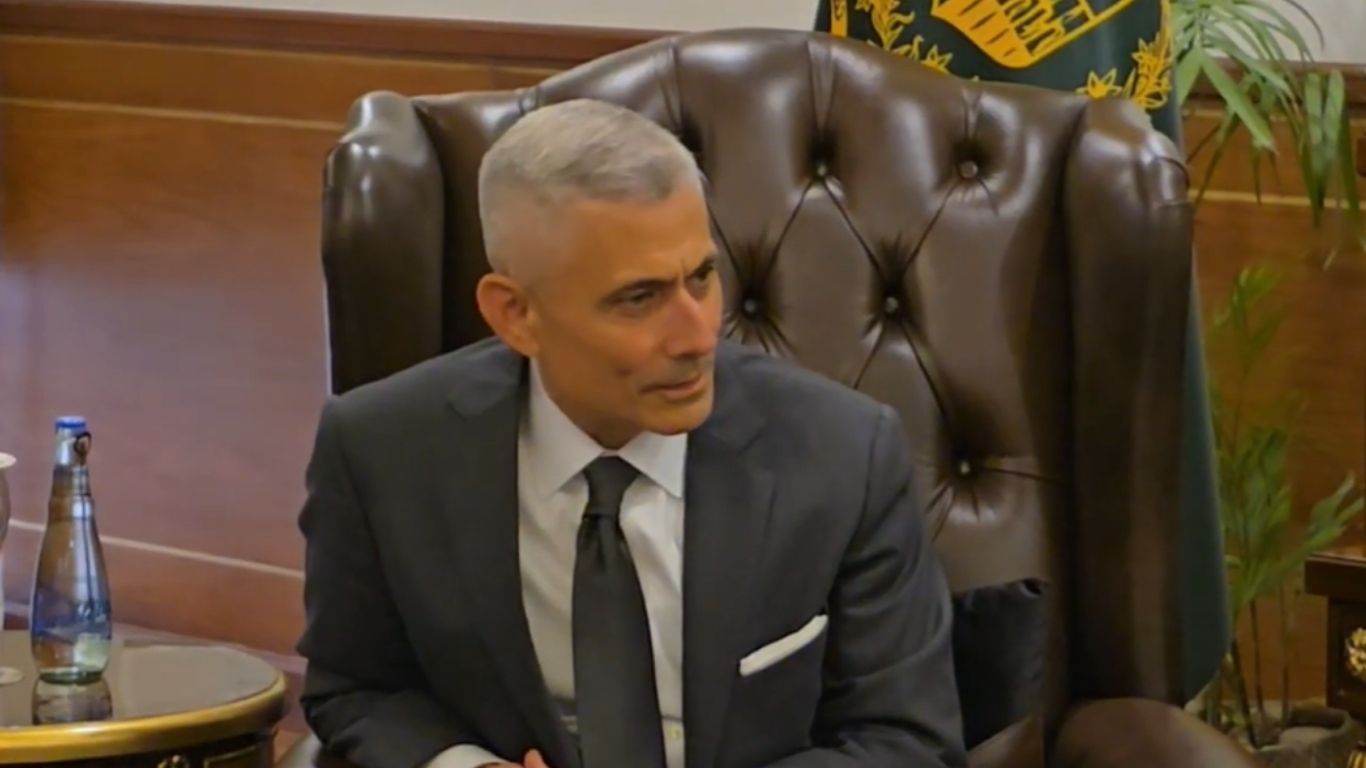
NEW DELHI (Diya TV) — U.S. Assistant Secretary of State for South and Central Asian Affairs S. Paul Kapur has started an official visit to India and three Central Asian nations as Washington looks to strengthen economic cooperation, expand trade, and deepen regional partnerships.
Kapur will travel to India, Uzbekistan, the Kyrgyz Republic, and Kazakhstan from Aug. 5 through Aug. 12. During the weeklong trip, he will meet senior government officials, diplomats, and business leaders. His meetings will focus on trade, investment, supply chain resilience, and broader regional cooperation.
The U.S. Bureau of South and Central Asian Affairs said the visit reflects the administration’s efforts to advance key economic and diplomatic priorities across South and Central Asia. At the same time, the trip highlights Washington’s continued interest in building stronger relationships with countries across the region.
The bureau announced the visit in a post on X. It said Kapur will meet government officials and business leaders to promote the administration’s policy goals. The discussions will also seek to increase trade and business opportunities throughout the region.
The visit comes as the United States continues to strengthen its partnerships with both India and Central Asian nations. In recent years, Washington has placed greater attention on regional economic growth, secure supply chains, and stronger diplomatic engagement. As a result, officials have increased dialogue with governments and private sector leaders across the region.
India remains an important partner in that strategy. Therefore, Kapur’s meetings in New Delhi are expected to focus on expanding economic cooperation while also addressing shared regional priorities. Officials from both countries have regularly discussed ways to boost investment, encourage business collaboration, and improve commercial ties.
In addition, supply chain resilience will remain a major topic during the discussions. Many countries have worked to diversify supply networks in recent years. Consequently, governments have explored new partnerships that can improve economic security and reduce risks linked to global disruptions.
Trade and investment will also receive significant attention throughout Kapur’s visit. Stronger commercial ties can support long-term economic growth while creating new opportunities for businesses. Furthermore, closer cooperation can encourage innovation, strengthen regional markets, and improve investment flows between the United States and partner countries.
The trip also reflects Washington’s broader diplomatic engagement in South and Central Asia. Along with economic issues, officials continue to discuss regional stability and long-term cooperation. Those conversations often include shared economic interests as well as strategic priorities that affect the wider Indo-Pacific region.
Kapur visited India earlier this year for a three-day diplomatic trip in March. During that visit, U.S. officials reaffirmed their commitment to expanding the U.S.-India relationship. The visit included meetings with senior Indian officials and discussions on several areas of mutual interest.
At the time, the U.S. Embassy in India welcomed Kapur through a post on X. The embassy said it looked forward to productive meetings with Indian partners as both countries continued to strengthen their partnership. The statement also emphasized ongoing cooperation between Washington and New Delhi.
During the March visit, Kapur and Indian officials discussed regional security and shared priorities in the Indo-Pacific. They also reviewed ways to strengthen strategic cooperation between the two countries. In addition, both sides explored opportunities to build on recent diplomatic progress.