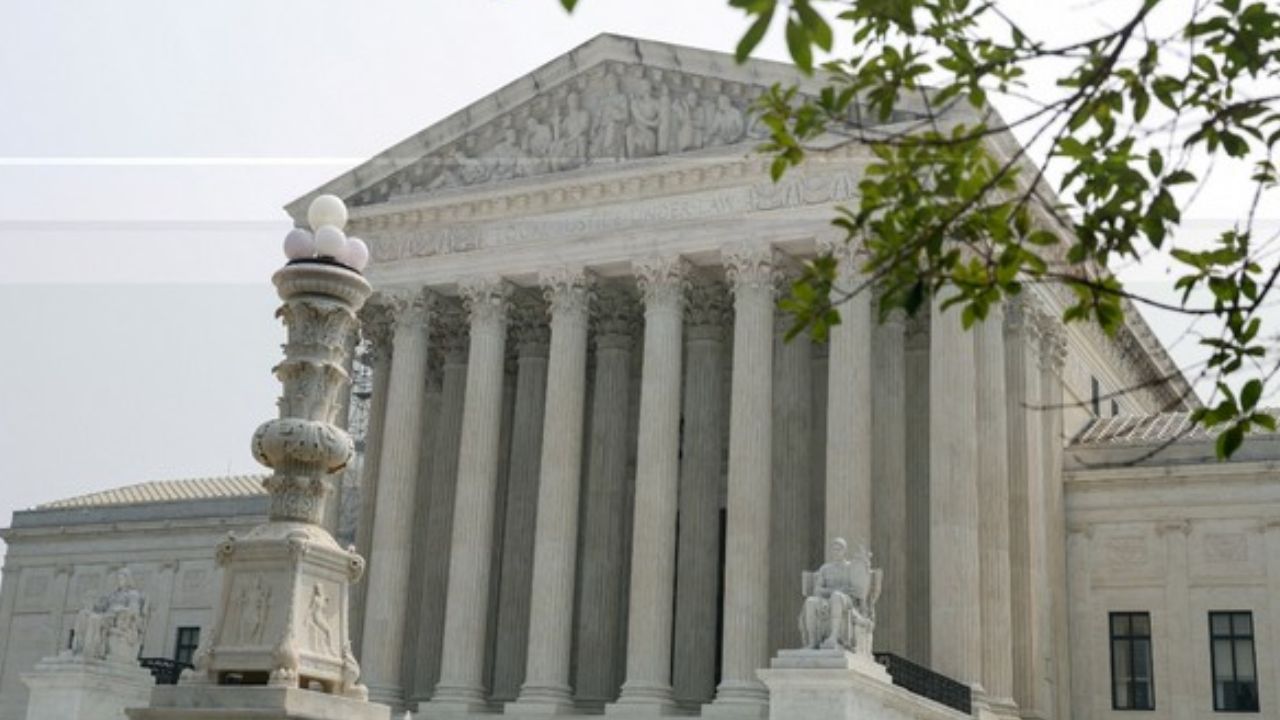
WASHINGTON (Diya TV) — The Trump administration asked the U.S. Supreme Court on Tuesday to allow the federal government to resume using a revamped Department of Homeland Security database to help states verify the citizenship status of people on voter rolls.
Justice Department lawyers asked the court to pause a June ruling that blocked the modified Systematic Alien Verification for Entitlements, or SAVE, system while the government appeals the case.
DHS redesigned SAVE in 2025, expanding it to process bulk verification requests, search records using Social Security numbers and include information on U.S.-born citizens. The system previously focused primarily on verifying the immigration and citizenship status of noncitizens and naturalized citizens.
Several states subsequently used the system to compare voter registration records with federal citizenship data. Some voters identified by SAVE as possible noncitizens had their registrations canceled, according to court records.
U.S. District Judge Sparkle Sooknanan ruled June 22 that the federal government unlawfully created the modified database and improperly allowed access to protected Social Security information. Her ruling set aside the redesigned SAVE system and related federal records notices.
The court also cited evidence that the system had incorrectly identified some U.S. citizens as noncitizens, creating a risk that eligible voters could be required to prove their citizenship or lose their registrations.
The administration appealed and sought to keep the system operating during the litigation. On Sept. 4, the U.S. Court of Appeals for the District of Columbia Circuit denied that request in a 2-1 decision, leaving the June ruling in effect.
In its Supreme Court filing, the Justice Department argued that the lower court order improperly limits the federal government’s ability to use Social Security data when responding to state requests to verify citizenship.
The groups challenging the system, including the League of Women Voters and privacy advocates, argue that the expanded database violates federal privacy protections and can produce inaccurate citizenship information that affects eligible voters.
The Supreme Court has not yet ruled on the administration’s request. The case comes as states prepare for the Nov. 3 midterm elections.