WASHINGTON (Diya TV) — The Trump administration says it has effectively ended access to asylum for people seeking protection in the United States. Senior White House adviser Stephen Miller said the administration will continue expanding deportations while directing asylum seekers to other countries through international agreements.
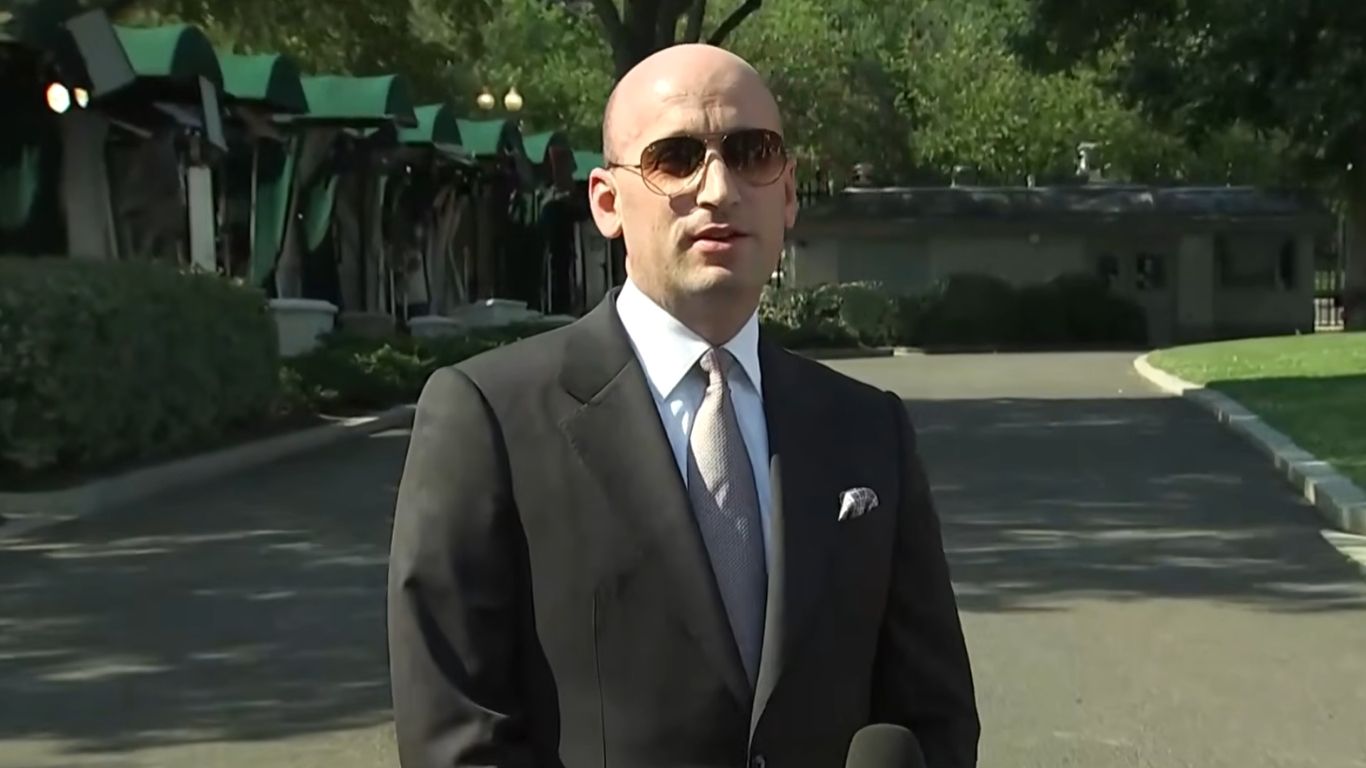
Speaking at the White House, Miller said the administration has adopted a tougher immigration strategy since President Donald Trump returned to office. He argued that the new approach protects national security, reduces illegal immigration, and weakens criminal networks that profit from migrant smuggling.
Miller said the United States no longer plans to accept asylum seekers at its borders. Instead, the administration has reached agreements with other countries that will receive people seeking protection.
“America’s doors are closed fully to asylum seekers,” Miller said. He added that people who want asylum will be directed to another country instead of remaining in the United States.
The comments mark one of the administration’s strongest statements yet on asylum policy. They also reinforce the White House’s broader immigration agenda, which focuses on stricter border enforcement and faster deportations.
Miller defended the policy by saying it addresses the root causes of illegal immigration. He argued that criminal organizations often exploit migrants during dangerous border crossings. Therefore, he said, stopping illegal immigration protects vulnerable people and disrupts human trafficking, drug trafficking, and migrant smuggling networks.
In addition, Miller questioned many asylum claims filed at the U.S.-Mexico border. He said a large number of applicants were economic migrants rather than people fleeing persecution. As a result, he argued that many claims did not meet the legal standard for asylum under U.S. immigration law.
Miller also praised the administration’s border enforcement efforts. He credited President Trump’s immigration policies with sharply reducing migrant releases along the southern border.
According to Miller, the administration has gone more than a year without releasing a single migrant into the United States after crossing the southern border illegally. He described the achievement as unprecedented under previous administrations.
Meanwhile, the administration plans to increase deportation efforts across the country. Miller said additional funding approved for U.S. Immigration and Customs Enforcement, commonly known as ICE, will strengthen enforcement operations. He also said the agency has made administrative changes to improve efficiency.
The new funding, he said, will allow deportation numbers to continue rising. He added that the administration will focus resources on identifying, detaining, and removing people who no longer have legal status in the country.
During the briefing, reporters also asked Miller about Haitian nationals whose temporary legal protections have recently faced legal challenges. He responded that people who lose lawful immigration status should be removed from the United States.
Miller also addressed concerns about safety conditions in Haiti. Although the U.S. government continues to issue travel advisories for parts of the country, he said those conditions do not automatically qualify someone for asylum.
“The fact that there might be pockets of Haiti with higher crime rates has never been the basis for asylum,” Miller said. He maintained that asylum law requires applicants to meet specific legal standards rather than rely only on general security concerns.
Since returning to office, the Trump administration has introduced several major immigration changes. Officials have tightened border controls, accelerated deportation efforts and limited access to humanitarian immigration programs created during former President Joe Biden’s administration.
At the same time, several immigration policies continue to face legal challenges. Courts are reviewing multiple administration actions, including efforts to end automatic birthright citizenship for certain children born in the United States. Those cases could shape the future of U.S. immigration policy.