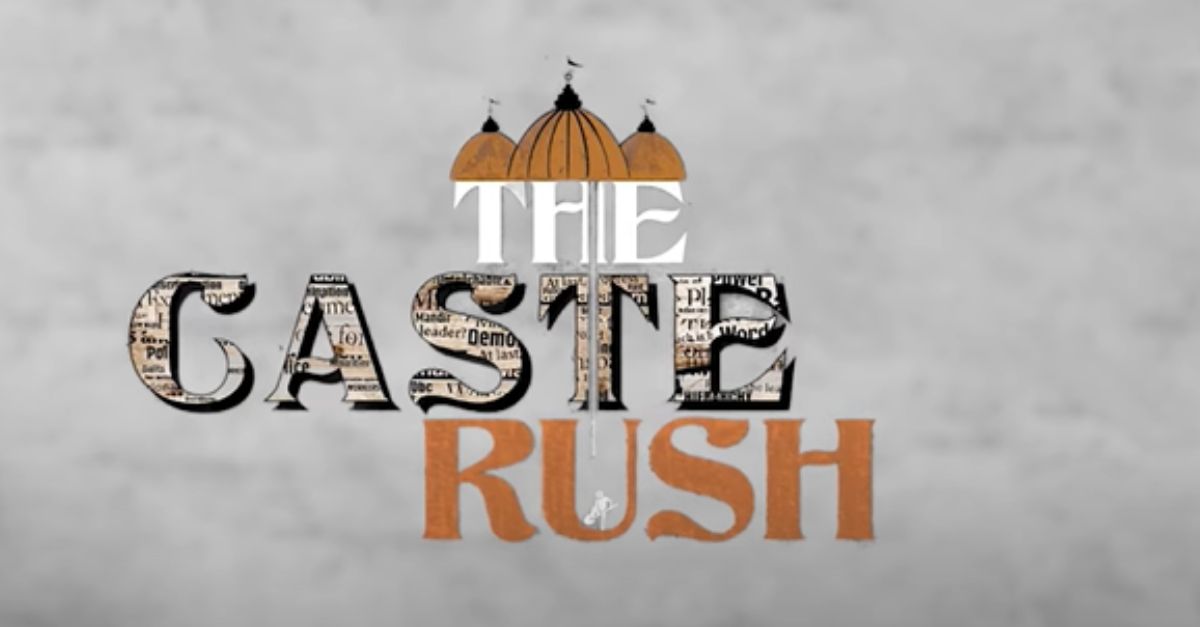
LOS ANGELES (Diya TV) — A new documentary film challenging long-held narratives about caste in India has drawn thousands across the United States. The Caste Rush, directed by Nikhil Singh Rajputt, attracted more than 10,000 viewers during its nationwide screening tour.
The 60-minute investigative film, produced by Indic Dialogue and Shoma Productions, takes audiences on a journey through India’s ancient temples. It highlights inclusive practices, Dalit priests, and grassroots reformers while questioning assumptions about widespread caste discrimination.
The screening tour began Aug. 9 at the Fine Arts Theatre in Beverly Hills, California. Supported by organizations such as the Coalition of Hindus of North America (CoHNA) and the Hindu American Foundation (HAF), the tour reached 20 cities, including stops across the Midwest and East Coast.
At each location, the film generated emotional responses and sparked conversations about faith, culture, and social harmony. Organizers said the goal was to offer a more balanced perspective on Hindu traditions and to engage a new generation in dialogue about identity.
Audiences reacted strongly to the film’s message. One viewer described it as “eye-opening,” noting that Hinduism is not defined only by the caste system. Another praised the film for presenting facts and data rather than stereotypes.
Hindu American teenagers also voiced their approval, calling it “made for the next generation” and a “must-watch to understand Hindu Dharma.” Their comments reflected the film’s ability to connect with young audiences eager to see a fuller picture of their heritage.
Pushpita Prasad of CoHNA praised the portrayal of temples across India, describing them as “a beautiful glimpse into the rainbow-like diversity of Hindu Mandirs—a celebration of faith, culture, and community.”
Educators and leaders also weighed in. Dr. Tim Westly, a professor from San Antonio, Texas, said the film has the power to change minds. “Documentaries like this can right the wrongs, expand people’s mindsets, and help us understand better,” he said.
Elected officials and community leaders echoed those sentiments. One post on X, formerly Twitter, called the film “a wake-up call on caste in our backyard.” Organizers said such reactions show the film’s potential to encourage open dialogue and cultural preservation.
The film’s journey reached its peak with a selection at the 16th Chicago South Asian Film Festival (CSAFF) on Sept. 19. The recognition added another milestone to its tour and underscored its growing role in conversations about Hindu identity in America.
Organizers said The Caste Rush is more than a documentary—it is a tool for building understanding. By showing examples of inclusivity, the film challenges negative stereotypes and highlights stories of reform and resilience.
The success of the tour points to a larger interest in exploring the complexity of Hindu traditions in the United States. With over 10,000 people attending, the screenings reflected a strong demand for content that goes beyond headlines and offers depth.
The film also tapped into a rising movement among Hindu Americans who want to preserve cultural heritage while addressing misconceptions about caste. Community members said the tour created a platform for constructive debate and fostered unity across generations.
As Rajputt’s documentary continues to circulate, organizers hope it will inspire similar efforts to highlight stories of inclusion within global Hindu communities. For many, The Caste Rush offered not only facts and history but also a message of belonging and pride.