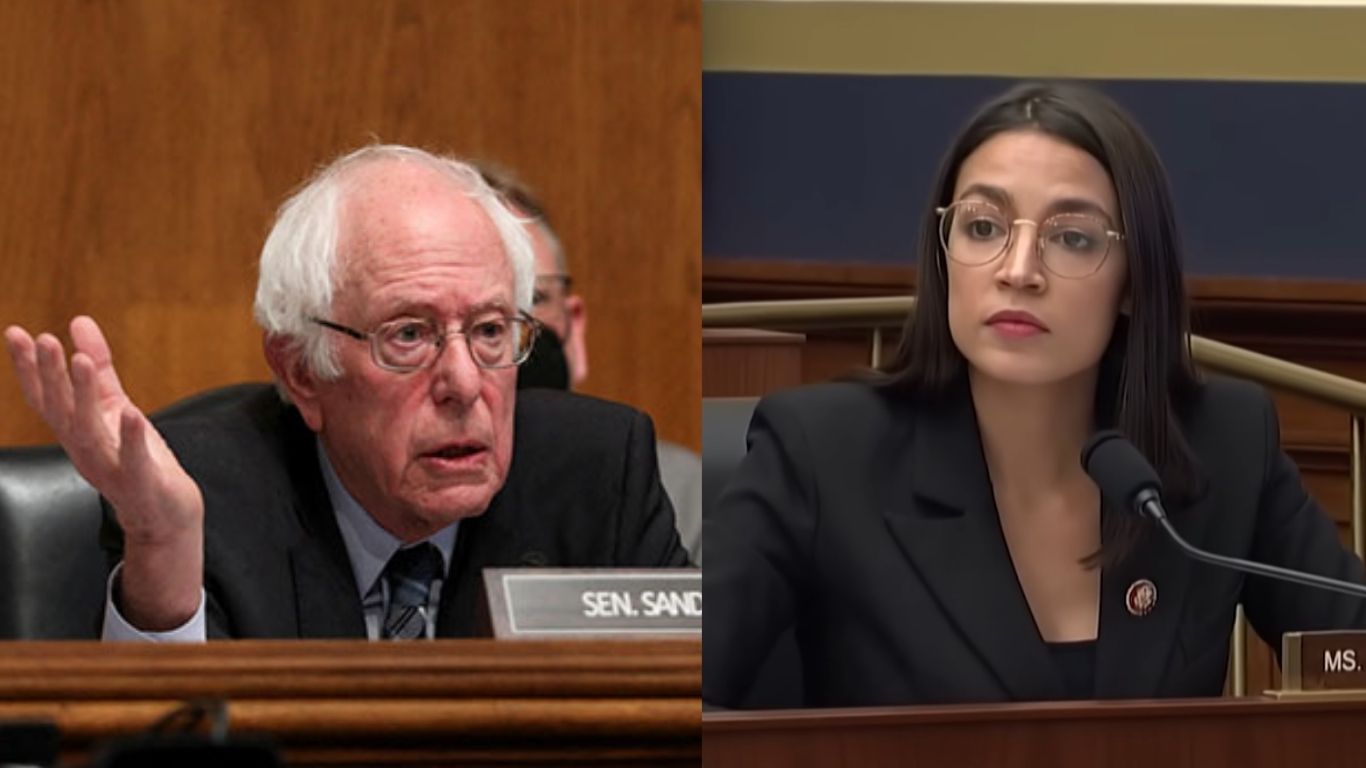
WASHINGTON (Diya TV) — Sen. Bernie Sanders plans to introduce a bill Wednesday that would pause new data center construction across the United States until lawmakers set rules to address the risks of artificial intelligence. Rep. Alexandria Ocasio-Cortez is expected to introduce a similar measure in the House in the coming weeks, signaling growing concern among progressive lawmakers about the rapid expansion of AI infrastructure.
Sanders’ proposal calls for a national moratorium on building or upgrading data centers used for AI systems. The pause would remain in place until Congress enacts laws to protect workers, consumers, and the environment from potential harms tied to artificial intelligence.
In a speech on Capitol Hill, Sanders said the moratorium would give lawmakers time to ensure AI benefits everyday Americans. He warned that the technology could increase inequality, raise energy costs,s and harm the environment if left unchecked. The bill sets a threshold for AI-related data centers based on energy use. It targets facilities with large power demands, reflecting concerns about rising electricity consumption tied to AI growth.
The rapid expansion of data centers has sparked resistance across the country. Many communities worry about higher power bills, water use,e and land development. Polling from the Pew Research Center shows that about 40% of Americans believe data centers harm the environment and increase home energy costs. Another 30% say these facilities reduce the quality of life in nearby areas.
Local governments have responded. Cities and counties in several states have already introduced temporary bans or restrictions on data center development. Lawmakers in states such as Virginia, Georgia, and New York have proposed similar measures. A 2025 report found that billions of dollars in planned data center projects stalled due to community opposition. Residents have raised concerns about noise, water demand, and strain on local power grids.
Sanders’ bill goes further than many state efforts. It not only targets environmental impact but also focuses on AI safety and economic fairness. The proposal calls for safeguards to prevent AI systems from harming workers, violating privacy,y or threatening civil rights. It also demands that wealth generated from AI benefits the broader public, not just major tech companies. The legislation specifically mentions top tech leaders, including Elon Musk, Jeff Bezos, Sam Altman,n and Dario Amodei. These executives have both driven AI growth and warned about its risks.
Despite growing attention, the bill faces long odds in Congress. The administration of Donald Trump has strongly supported AI development. Industry groups and major companies have also invested heavily in expanding infrastructure. At the same time, concern about AI and data centers has crossed party lines. Republican lawmakers such as Sen. Josh Hawley and Rep. Thomas Massie have raised similar concerns about energy costs and consumer protections.
Policy experts say the debate reflects broader unease about how quickly AI is advancing and how little regulation exists. Mitch Jones of Food and Water Watch said the proposal aligns with concerns about both environmental and social impacts. His group has advised Sanders on the issue.
The tech industry has pushed back strongly against a nationwide pause. Companies argue that data centers support economic growth, create jobs, and power essential digital services. Major firms, including Amazon, Microsoft, Meta, and Google, have pledged to improve transparency and reduce costs passed to consumers.
Earlier this year, industry leaders met at the White House and signed a voluntary agreement to cover infrastructure costs and limit the burden on households. Experts described the agreement as largely symbolic. Cy McNeill of the Data Center Coalition warned that a moratorium could slow internet capacity, eliminate jobs, and raise costs for businesses and families.
Sanders first called for a data center moratorium in late 2025. His latest proposal builds on pressure from advocacy groups and local governments. While the bill is unlikely to pass soon, it highlights a growing national debate. Lawmakers from both parties are beginning to question how AI infrastructure affects energy, the economy, and daily life.