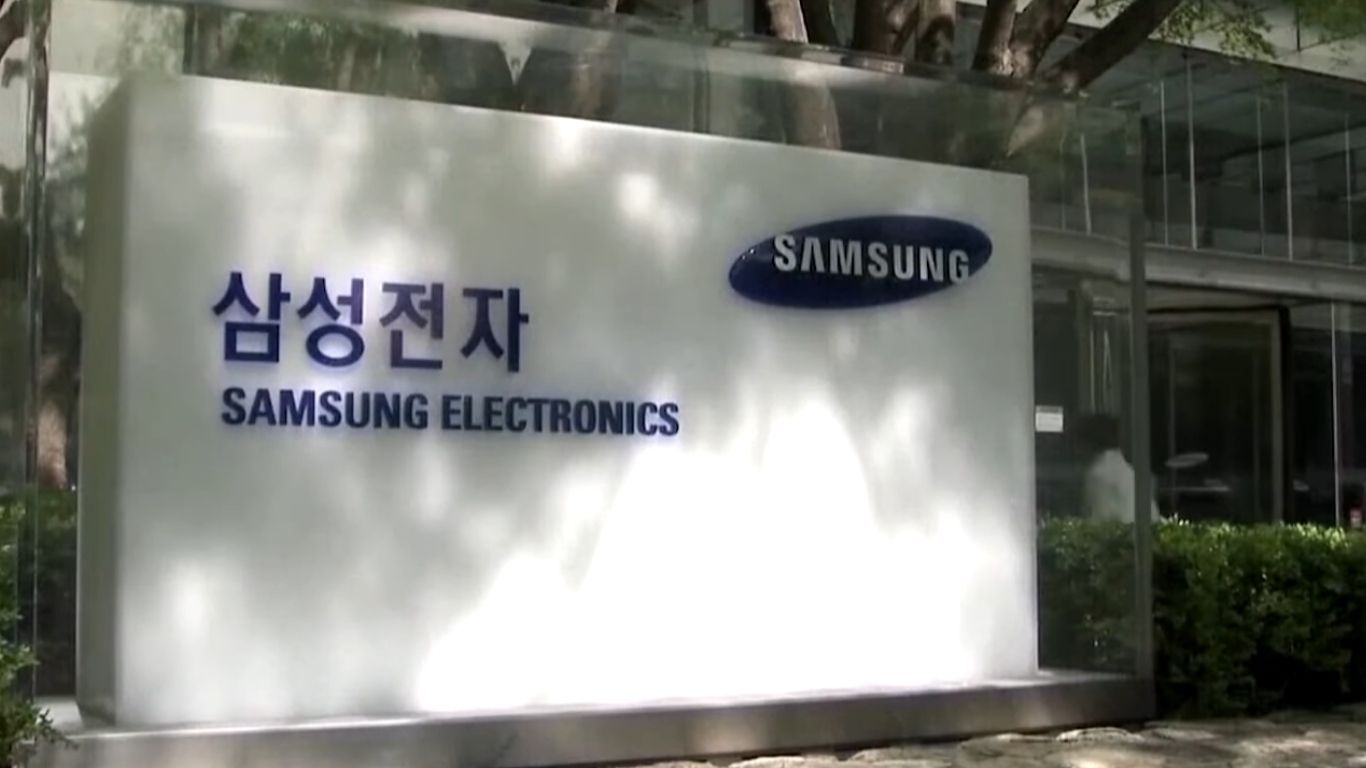
SEOUL, South Korea (Diya TV) — Samsung Electronics is expected to report another record quarterly operating profit as strong demand for artificial intelligence continues to lift memory chip prices. The company is likely to announce a sharp jump in earnings for the April-to-June quarter, reflecting the ongoing boom in AI infrastructure and data centers.
Analysts expect Samsung to post an operating profit of about 86 trillion won, or roughly $56.35 billion, for the second quarter. That estimate comes from an LSEG SmartEstimate based on forecasts from 30 analysts. The figure stands far above the 4.7 trillion won the company reported during the same period last year.
The expected result would mark Samsung’s third straight quarter of record operating profit. At the same time, it would highlight the strong demand for memory chips as AI technology expands across industries.
The AI boom continues to reshape the global semiconductor market. Companies are investing heavily in new AI systems. As a result, they need more memory chips to power advanced computing tasks. However, chipmakers have struggled to keep up with that demand. Consequently, limited supply has pushed memory chip prices much higher.
Industry analysts believe the shortage will likely continue through next year. Therefore, memory manufacturers could continue to benefit from higher prices and healthy profits.
Samsung remains one of the world’s largest suppliers of memory chips. The company provides products to major technology firms, including Nvidia, Google, and Apple. Those companies continue to expand AI services, cloud computing, and advanced data centers. As a result, they require larger amounts of memory for their growing workloads.
The demand extends beyond advanced high-bandwidth memory, also known as HBM. Traditional DRAM and NAND memory products also continue to see strong demand. AI applications now require more storage and faster data access than before. Therefore, companies continue to purchase a wide range of memory products.
Earlier AI systems mainly focused on training large language models. Today, newer AI tools perform more complex tasks and respond directly to users. These systems often process several steps before delivering results. Consequently, they need additional memory and storage capacity to support those operations.
Citi Research recently reported strong gains in memory chip pricing during the second quarter. According to the firm, average selling prices for DRAM increased by 44% from the previous quarter. Meanwhile, NAND prices climbed 53% during the same period. Those higher prices have supported stronger earnings across the semiconductor industry.
Investors have responded positively to the improving market. Samsung shares have surged about 158% this year. Meanwhile, SK Hynix shares have climbed roughly 273%, while Micron shares have gained about 242%. The rally has pushed the market value of all three memory chip companies above $1 trillion.
Despite the positive outlook, some analysts believe Samsung’s reported earnings could come in slightly below expectations. The main concern involves employee bonus costs rather than weaker business performance.
In late May, Samsung reached a wage agreement with workers and avoided a large-scale strike. Under the deal, the company will allocate 10.5% of its semiconductor division’s operating profit toward special employee bonuses.
Some analysts estimate Samsung’s total bonus provisions could exceed 40 trillion won. Therefore, the timing of those accounting charges could affect the company’s reported quarterly earnings. Even so, analysts say the underlying demand for memory chips remains strong.