ISLAMABAD, Pakistan (Diya TV) — Pakistan is expanding its diplomatic efforts after helping broker an interim ceasefire between the United States and Iran. Now, the country has quietly turned its attention to Libya, where it is trying to help rival political factions move toward a lasting settlement, according to a Reuters report.
The reported mediation effort comes as the United States increases pressure for a political solution in Libya. If Pakistan helps bring the rival sides closer, the move could strengthen Islamabad’s growing role in regional diplomacy. However, officials have not publicly confirmed the negotiations.
Libya has remained divided since the 2011 NATO-backed uprising that removed longtime leader Muammar Gaddafi. Since then, rival governments in the east and west have competed for power, while repeated peace efforts have failed to reunify the country.
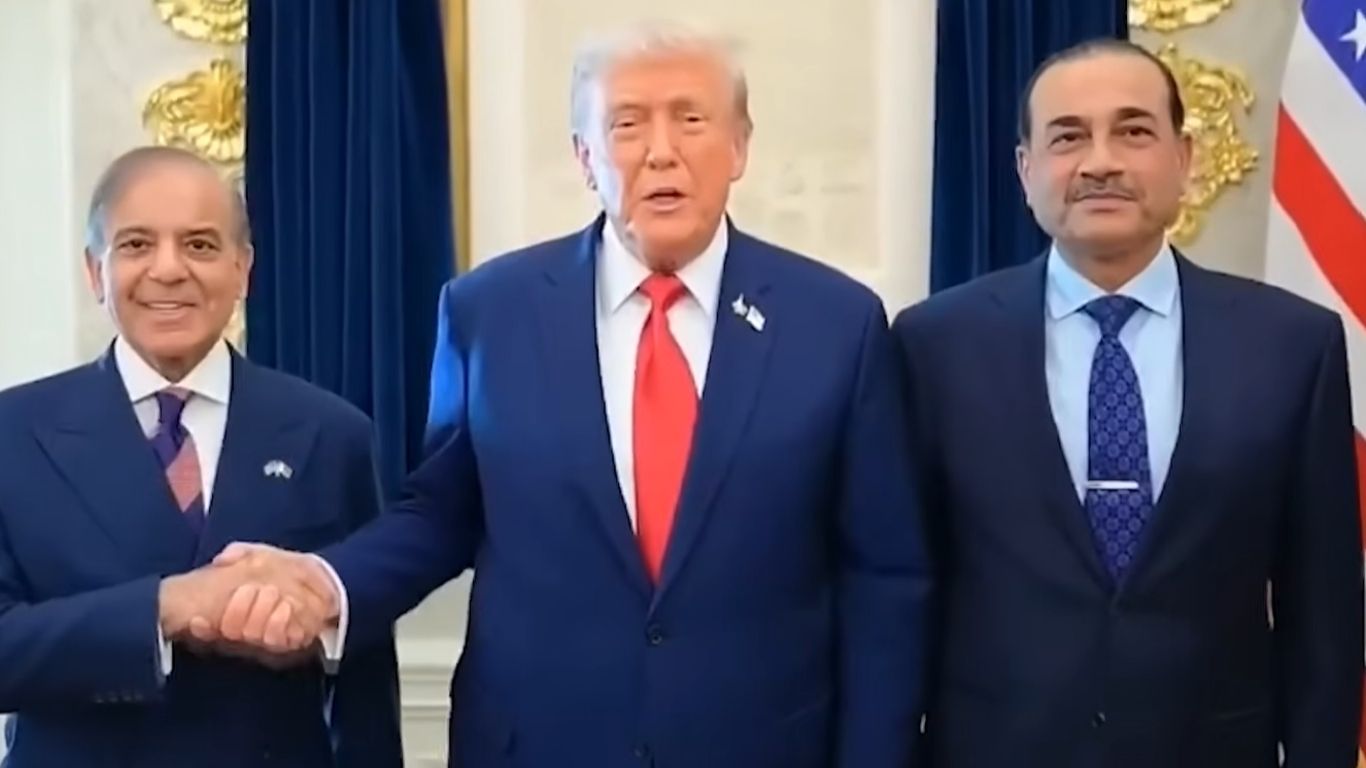
According to Reuters, President Donald Trump knew about Pakistan’s mediation efforts and supported the initiative. Sources also said Saudi Arabia has backed Islamabad’s role because the kingdom has long sought influence in Libya and maintains close defense ties with Pakistan.
At the same time, Reuters reported that mediation talks began late last year after both Libyan sides requested Pakistan’s involvement. Still, it remains unclear how closely Islamabad has worked with other regional powers during the process.
So far, Pakistan has not commented publicly on the report. Likewise, officials from Libya’s eastern and western administrations have stayed silent. Other countries involved in Libya, including Turkey, Qatar, Saudi Arabia, and the United States, also have not issued official statements.
The reported proposal aims to reunify Libya through a 36-month transition period. Reuters said the plan would create a new Government of National Consensus along with a Presidential Council to oversee the political process.
Under the proposal, Abdulhamid Dbeibah, who leads Libya’s internationally recognized Government of National Unity in the west, would remain prime minister during the transition. Meanwhile, Saddam Haftar, deputy commander of the eastern-based Libyan National Army, would serve as chairman of the Presidential Council.
In addition, Khalifa Haftar, who commands the eastern Libyan National Army, would oversee the country’s budget under the proposed arrangement. His forces currently control many of Libya’s largest oil fields and major infrastructure, making his role central to any political agreement.
A Pakistani source told Reuters that Islamabad plans to stay actively involved to help keep the proposed arrangement on track. However, discussions continue, and negotiators have not finalized the details.
Last month, Pakistan’s Army Chief Gen. Asim Munir met Saddam Haftar in Rawalpindi. Days later, Haftar traveled to Washington, where he met U.S. Secretary of State Marco Rubio. After the meeting, the State Department said Rubio welcomed efforts to bridge Libya’s political divide and reaffirmed U.S. support for the country’s unity.
Although Pakistan does not hold the same influence in Libya as the United States, Turkey, Egypt, or the United Arab Emirates, analysts say Islamabad has maintained communication with both rival camps. As a result, Pakistan may be in a unique position to encourage dialogue between the competing sides.
Reuters also reported that Pakistan has explored defense cooperation with Libya’s eastern-based Libyan National Army. Those discussions have included the possible sale of JF-17 fighter jets and Super Mushshak training aircraft despite a United Nations arms embargo.
At the same time, Libya’s western-based Government of National Unity recently sought direct talks with Pakistan, according to a document reviewed by Reuters. Sources also said Qatar and Turkey encouraged Islamabad to take on a mediation role because both countries support the Western administration.
Even so, experts remain cautious about the chances of success. Jalel Harchaoui, a contributor to the Royal United Services Institute, told Reuters that the United States continues to push for a political settlement. However, he said the current diplomatic framework remains unclear.
Similarly, geopolitical analyst Tarek Megerisi warned that reaching an agreement is only the first step. He noted that many peace deals collapse after signing if political rivals fail to honor their commitments.