WASHINGTON (Diya TV) — Purported leaked audio recordings of Sen. Ted Cruz have laid bare growing internal tensions within the Republican Party, while also shedding light on why a long-discussed U.S.-India trade deal has yet to cross the finish line.
According to recordings obtained and reported by Axios, the Texas Republican privately blamed President Donald Trump, Vice President JD Vance and White House trade adviser Peter Navarro for blocking progress on a trade agreement with New Delhi. In the calls, which Axios says were made to donors in early and mid-2025, Cruz portrays himself as “battling” the White House to finalize a deal he views as strategically and economically vital.
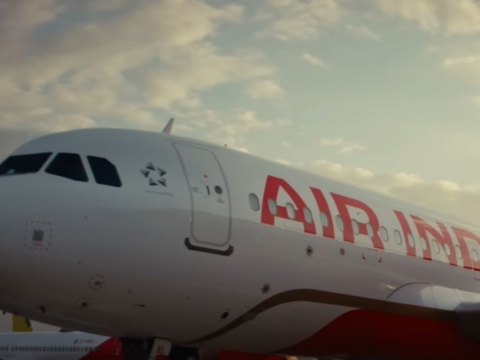
Cruz’s remarks offer a rare glimpse into behind-the-scenes GOP disagreements over Trump’s aggressive tariff strategy, particularly toward India. The president imposed 25% tariffs on Indian goods in April 2025 as part of what he dubbed “Liberation Day” trade actions, later doubling them to 50% in August, citing India’s continued oil purchases from Russia. India has consistently maintained that its energy decisions are shaped by global market conditions rather than geopolitics.
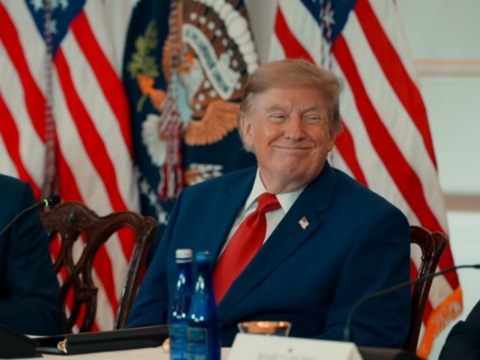
In the leaked audio, Cruz warns Trump that sweeping tariffs could devastate Republicans politically. He recounts telling the president that if Americans’ retirement accounts fell sharply and grocery prices surged, the GOP would face an electoral “bloodbath” in the 2026 midterms. Cruz says Trump responded angrily, punctuating the exchange with an expletive, a detail first reported by Axios.
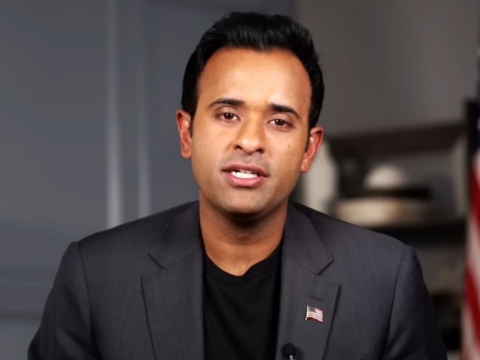
The recordings also underscore Cruz’s frustration with Navarro, a longtime advocate of protectionist trade policies, and with Vance, whom Cruz describes as aligned with a more nationalist, anti-interventionist wing of the party. Cruz reportedly labels Vance as the protégé of conservative media personality Tucker Carlson, arguing that the pair exert outsized influence over White House decision-making on trade and foreign policy .
While Cruz has publicly positioned himself as a close Trump ally, the comments highlight an increasingly complex relationship. Cruz was Trump’s chief rival during the 2016 Republican primary and is widely viewed as a potential contender for the 2028 GOP presidential nomination, a path that could eventually put him in direct competition with Vance.
Beyond party politics, the leaked remarks have implications for U.S.-India relations. Cruz has long argued that Washington and New Delhi are “natural allies,” citing shared interests in free markets, democratic governance and countering China’s influence. Trade negotiations between the two countries have dragged on for months, with little public clarity on their status.
There are tentative signs of movement. U.S. Treasury Secretary Scott Bessent recently told Politico that the administration might consider lowering tariffs on India by 25%, suggesting there is “a path to take them off,” after claiming Indian refineries reduced purchases of Russian oil. Indian officials have not publicly commented on Bessent’s remarks.
The leaked audio also captures Cruz venting about broader foreign policy disputes within conservative circles, including internal fights over national security appointments and U.S. policy toward Iran and Israel. While these comments have drawn attention, the trade dispute stands out for its potential economic impact. Bilateral trade between India and the United States has grown steadily in recent years, and business groups in both countries have warned that prolonged tariffs could raise consumer prices and disrupt supply chains.
In response to the recordings, a spokesperson for Cruz dismissed them as an attempt to “sow division,” saying the senator remains the president’s “greatest ally in the Senate” and regularly fights to advance Trump’s agenda. The White House declined to directly address Cruz’s reported statements when contacted by media outlets.
Whether the fallout from the leaked audio accelerates or further complicates U.S.-India trade talks remains unclear. What is evident is that the debate over tariffs has become a flashpoint not just between Washington and New Delhi, but within the Republican Party itself — exposing ideological divides that could shape both foreign policy and the next presidential race.