
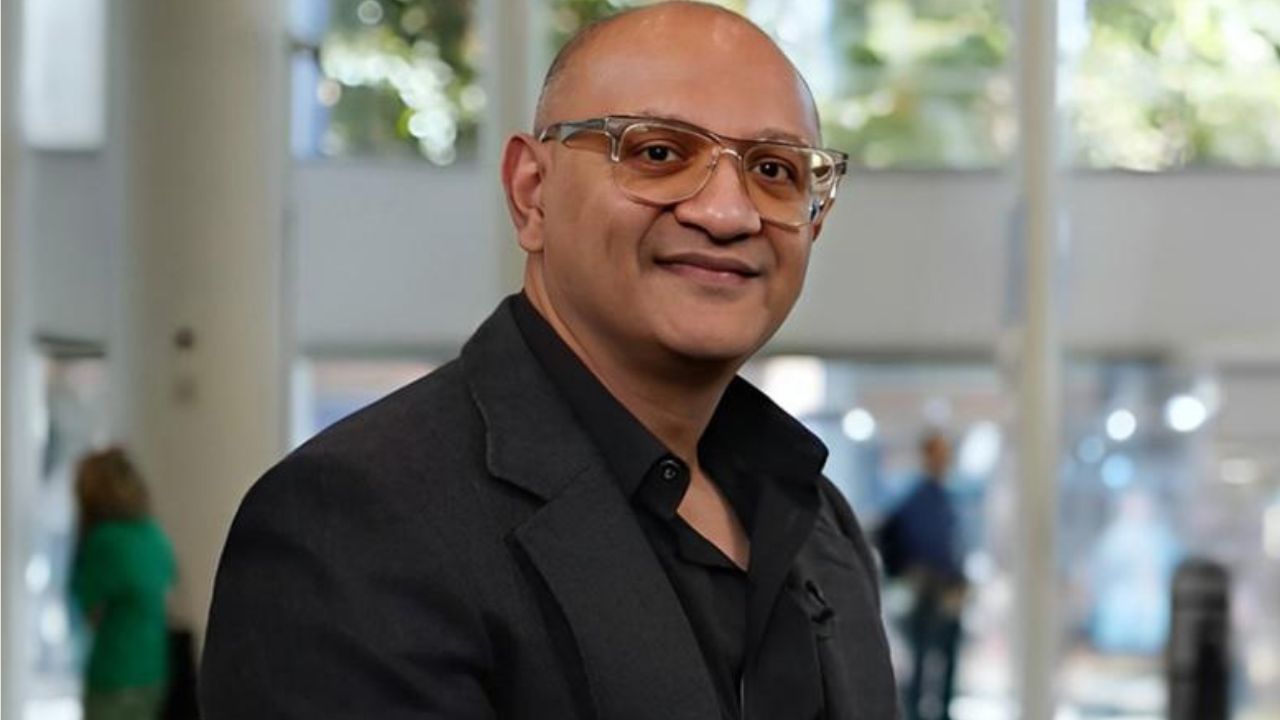
SAN FRANCISCO (Diya TV) — As artificial intelligence reshapes the workplace, young workers face growing uncertainty about their careers. Many companies plan to reduce entry-level hiring as AI tools take over routine tasks. However, Cisco President and Chief Product Officer Jeetu Patel believes young employees could play a crucial role in shaping the future of technology.
Instead of viewing Gen Z as an inexperienced workforce, Patel wants companies to recognize its potential to challenge traditional thinking. He recently gave a major technology project to a 27-year-old employee who joined Cisco after founding a startup. The move reflects his belief that fresh ideas and technical skills matter more than years of experience.
Patel has tasked the young employee with an ambitious goal: rewriting 98% of Cisco’s legacy code within 24 months. He believes artificial intelligence can help the company complete the project much faster than traditional methods.
The employee, Padmanabhan Krishnamurthy, widely known as Paddy, joined Cisco in 2025 after the company acquired EzDubs, a real-time translation startup he cofounded in 2023.
Despite his experience as a startup founder and former CEO, Krishnamurthy initially worked several levels below Patel. The executive described his position as unstrategic and said the company had not fully recognized his potential.
That changed during a visit to Cisco’s San Francisco office. Patel met Krishnamurthy and discussed ways to modernize the company’s older software systems. During their conversation, the young engineer suggested that a two-person team could rewrite Cisco’s legacy code with the help of AI.
The proposal caught Patel’s attention. He said even some of the company’s most AI-focused employees had not considered such an approach.
Consequently, Patel gave Krishnamurthy four weeks to demonstrate what he could achieve. He also provided unlimited access to AI tokens so the employee could use the technology to refactor code.
“I’ve given him unlimited tokens because he’s going to refactor code,” Patel told Fortune during a small roundtable dinner. “So I’m like, you can go, you can go nuts.”
The larger objective remains ambitious. Cisco wants to modernize nearly all its legacy code within two years. The project could also demonstrate how AI can change software development across large technology companies.
Patel believes companies should give early-career employees opportunities to influence important decisions. In his view, organizations risk losing fresh ideas when they rely too heavily on experienced workers.
He argues that younger employees often ask questions that veterans might overlook. Their limited experience can help them approach familiar problems from a different perspective.
“If you don’t hire the early-in-career [workers], and you just let your workforce continue the way that they were, where do fresh ideas get injected? How do you challenge the status quo?” Patel said.
However, he recognizes that bringing younger employees into senior teams can create disagreements. Employees who have spent decades at Cisco may question the ideas of someone in their twenties.
Still, Patel sees this tension as an opportunity rather than a problem. He wants employees to challenge ideas and encourage meaningful discussions without creating personal conflicts.
“Tension is good,” he said. “I actually try to create tension in the teams because you want to have enough friction on the ideas.”
He believes trust helps employees work through disagreements and pursue ambitious goals. Moreover, he encourages experienced workers to remain open to approaches that challenge established practices.
Patel’s interest in young talent extends beyond Krishnamurthy. He considers interns reverse mentors who can teach experienced employees new ways to approach technology and workplace challenges.
He also visits college campuses to connect with students who demonstrate curiosity and a strong interest in artificial intelligence.
One recent example involved a group of 17- and 18-year-old Stanford scholarship students. During a campus discussion, a student named Baya stood quietly while others asked questions.
She waited until the discussion ended before approaching Patel. Impressed by her approach, he asked her to email him every month with updates about what she had learned about AI.
Patel wanted to test her consistency and commitment rather than judge her on one conversation. Baya continued sending updates without missing a month.
Her efforts eventually helped her secure an internship at Cisco. During the internship, she redesigned a project that experienced employees had struggled to solve.
Patel said the company did not bring her in to handle routine administrative tasks. Instead, he wanted her to introduce new ways of thinking and help experienced employees understand different approaches to technology.
He now wants to recruit her.
Cisco’s approach highlights a different perspective on the debate over AI and entry-level employment. While many employers expect automation to reduce demand for junior workers, Patel believes companies should invest in young talent.
His strategy focuses on giving promising employees meaningful responsibilities rather than limiting them to routine assignments.