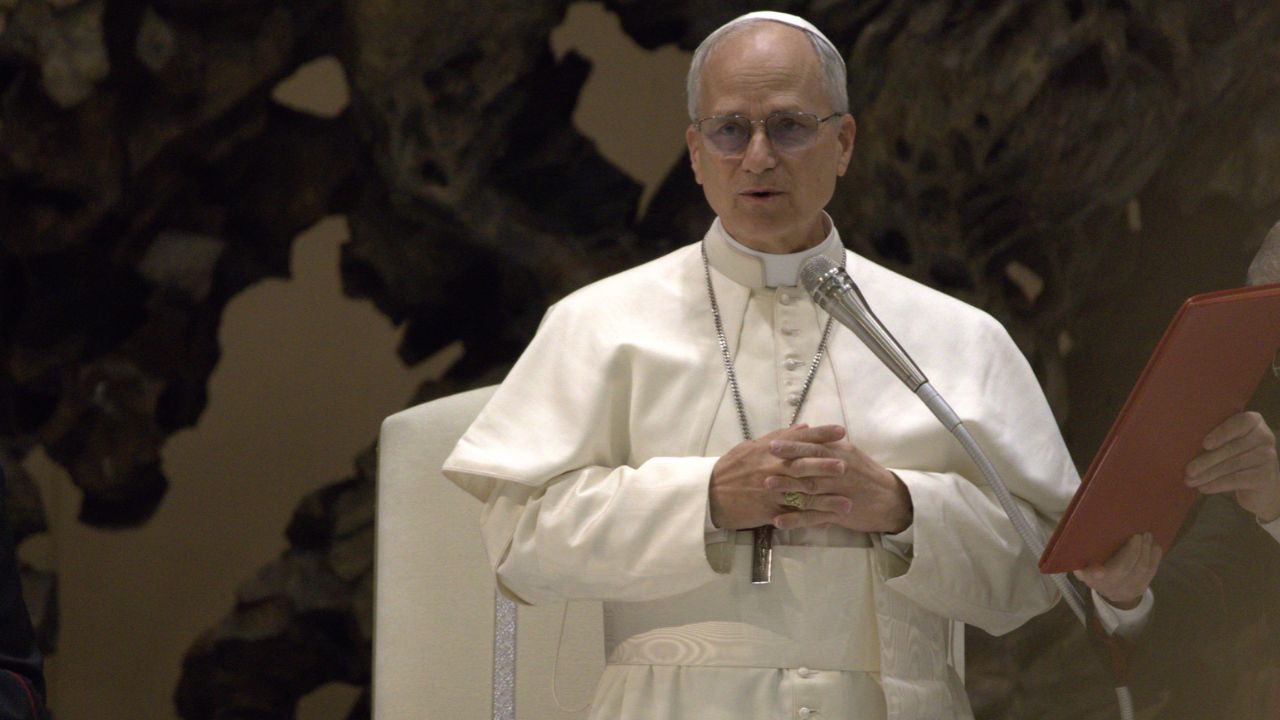
CHICAGO, Ill. (Diya TV) – Pope Leo XIV has cast his vote in the upcoming 2026 U.S. midterm elections, exercising his rights as an American citizen while living in Vatican City. The first American-born pope requested a mail-in ballot from Illinois earlier this month. His participation marks a historic moment for both the Catholic Church and U.S. electoral politics.
The Vatican confirmed Friday that Leo, whose birth name is Robert Francis Prevost, had exercised his right to vote in American elections. However, officials clarified that the pope’s completed ballot had not yet reached the local election office.
“Pope Leo XIV has exercised his right to vote as a United States citizen whenever he was eligible to do so,” the Vatican press office said in a statement.
The statement also highlighted the pope’s support for democratic participation. “The Holy Father expresses his belief in the right and the duty of citizens to participate in democratic processes,” the Vatican added.
According to Kim Fladhammer, chief of staff at the Will County Clerk’s Office, Leo requested his mail-in ballot on Oct. 3. The Chicago Sun-Times first reported the request. The clerk’s office later confirmed the information to NBC News.
The ballot must travel from Vatican City to Joliet, Illinois, where the local election office will process it. Although the pope has expressed his intention to participate, officials have not yet received his completed ballot.
Leo XIV made history in May 2025 when he became the first American to lead the Roman Catholic Church. His decision to participate in the 2026 U.S. midterm elections creates another historic milestone.
His vote will mark the first time a sitting pope has participated in a U.S. election. Moreover, his decision highlights the connection he maintains with his home country despite his responsibilities at the Vatican.
Leo has a record of participating in American elections. Public records show that he voted in the 2012, 2014, 2018, and 2024 general elections. He also participated in Republican primaries in 2012, 2014, and 2016.
Illinois does not require voters to register with a political party. Instead, voters can choose which party’s primary they want to participate in during each election cycle. Therefore, Leo’s previous participation in Republican primaries does not establish his current political affiliation.
The pope’s participation comes amid public disagreements with President Donald Trump over several major policy issues. Since becoming pope, Leo has spoken openly about U.S. foreign policy, immigration, and the conflict involving Iran.
His calls for peace drew particular attention after the United States and Israel launched strikes against Iran on Feb. 28. Leo criticized the war and urged leaders to pursue peaceful solutions.
Trump responded to the pope’s comments in April through social media. He described Leo as “WEAK on crime” and “terrible for Foreign Policy.” Trump also claimed credit for Leo’s election as pope.
At the time, Trump told reporters, “I’m not a big fan of Pope Leo.”
Leo later addressed the criticism in an interview with NBC News. He said he had “no fear of the Trump administration.” He also reaffirmed his commitment to speaking out for peace.
Vice President JD Vance, who is Catholic, has also criticized the pope. Vance advised Leo to “be careful” when discussing theology. His remarks followed the pope’s criticism of American foreign policy.
Leo’s Illinois ballot includes several important political contests. However, his home district and the statewide races remain strongly Democratic.
His congressional representative, Rep. Jonathan Jackson, D-Ill., is seeking re-election. Jackson is the son of the Rev. Jesse Jackson and the brother of former Rep. Jesse Jackson Jr.
Meanwhile, Democratic Senate nominee Juliana Stratton is competing to succeed Sen. Dick Durbin, who plans to retire. Stratton currently serves as Illinois lieutenant governor.
Gov. JB Pritzker is also seeking another term. If he wins, he would become the first Democrat elected to a third term as Illinois governor.
The 2026 midterm elections will determine control of Congress and shape the country’s political direction for the remainder of Trump’s presidency. Across the country, voters will decide key congressional, state, and local races.