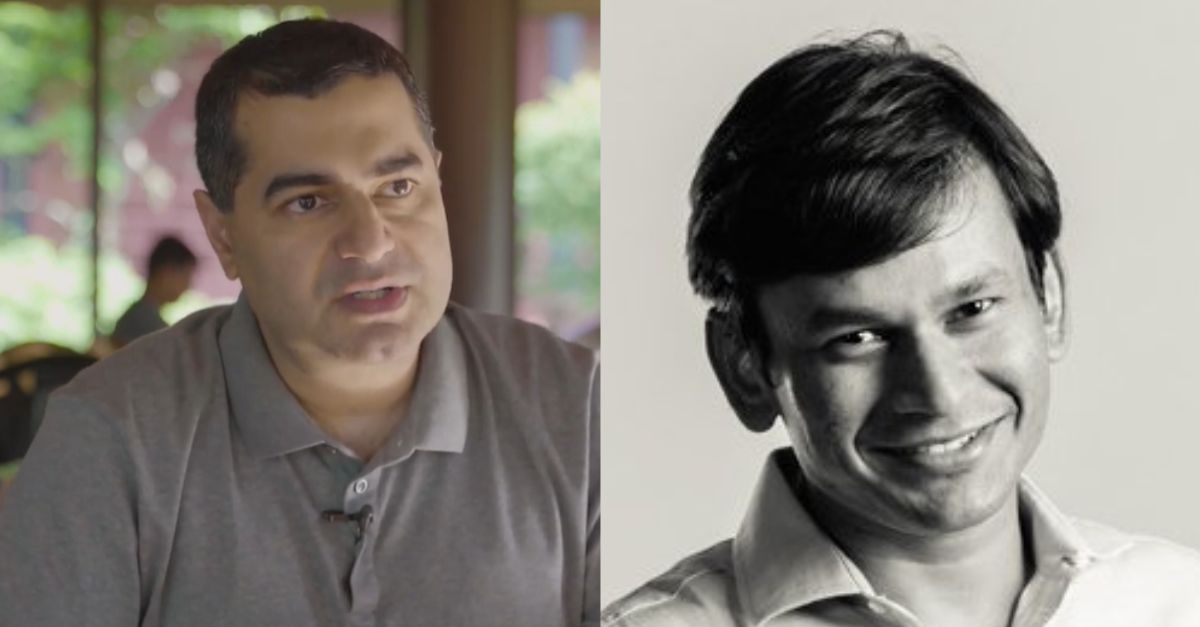
MUMBAI (Diya TV) — A dramatic split inside one of India’s largest venture capital firms has exposed rising tensions in the country’s high-stakes startup world. In late January, Shailendra Singh, head of $9 billion venture firm Peak XV Partners, met for dinner with a rising star at the firm. Ashish Agrawal, 38, wanted to apologize.
“Sorry it is happening this way, sorry I have to do this,” Agrawal said, according to people familiar with the meeting reported Newcomer.
He planned to quit. The timing could not have been worse.
Peak XV Partners was in the middle of raising more than $1 billion for its first fund since splitting from Sequoia Capital in 2023. The firm had operated for years as Sequoia India before becoming independent. Agrawal’s sudden exit threatened to shake investor confidence. Limited partners, known as LPs, often back venture capital firms based on trust in key investors. Losing a top dealmaker during a major fundraise can create doubts.
Two other senior partners, GV Ravishankar and Mohit Bhatnagar, also met Agrawal for dinner. They urged him to stay. He refused. Behind the scenes, tensions had been building for months.
At the heart of the conflict stood a huge payday. Agrawal led Peak’s investment in Groww, a fast-growing fintech platform often compared to Robinhood. The Groww deal became one of the firm’s biggest wins. It generated about $2 billion in returns for Peak and its investors. Agrawal asked for a profit share of up to $200 million from the deal, according to people familiar with the matter. Singh viewed the demand as excessive. The disagreement deepened their rift.
Venture capital firms divide profits through a system called carried interest. Partners usually share gains based on pre-agreed formulas. Disputes over profit splits can damage even long-standing partnerships. Agrawal did not back down from his request. Singh did not agree to it. The relationship broke.
Agrawal left along with two colleagues. The departure set off alarm bells during the crucial fundraising process. Singh moved quickly. Two senior partners flew to New York to reassure major investors. Singh contacted former executives and invited some to rejoin the firm. He spoke directly with LPs to calm concerns. The strategy worked. Peak XV announced last week that it had raised $1.3 billion. The fund’s close marked a major milestone for Singh, 49, and the newly independent firm. Still, the episode left scars.
Venture capital firms often operate behind closed doors. Partners rarely air internal disputes in public. That made this split unusual in India’s startup ecosystem. For years, Sequoia India, now Peak XV, played a dominant role in backing Indian startups. The firm invested in leading technology companies and helped shape the country’s venture capital landscape. However, returns across its portfolio have varied.
The public fallout has drawn attention to deeper tensions inside large VC firms. Big wins can create even bigger disagreements. When billions of dollars are at stake, profit-sharing debates can strain relationships. Two former colleagues of Agrawal described the situation as “incredibly stupid.” One said both sides showed greed and short-sightedness. None agreed to speak on the record.
The dispute highlights the pressures facing India’s venture capital industry. Competition has intensified. Global investors demand strong returns. Partners want larger shares of successful exits. As firms grow larger, questions of power and compensation become harder to manage. Younger investors who source major deals may seek bigger rewards. Senior leaders must balance fairness with long-term stability.
Peak XV has secured fresh capital and remains a major player in Indian venture capital. Yet the split shows how fragile partnerships can become when money and control collide. For India’s startup ecosystem, the drama offers a rare glimpse inside a world that usually stays private. It also serves as a reminder. In venture capital, success can create as many problems as failure.